Giant rhubarb scourge 'marching' through South Kerry
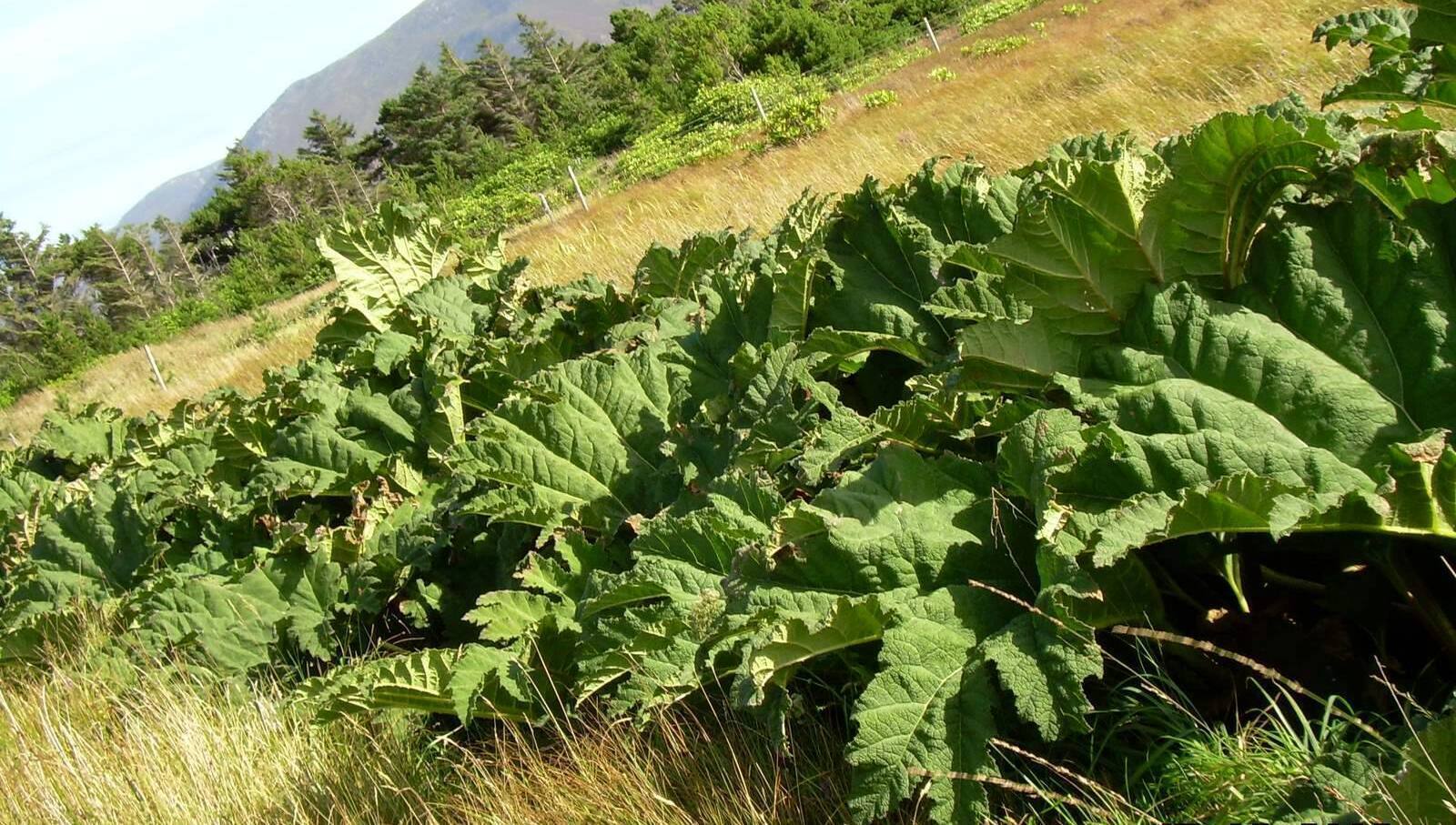
Due to Gunnera’s wide leaf span, large dense stands can have a dramatic impact on the local biodiversity by light exclusion, according to invasive species specialist firm INVAS Biosecurity.
The scourge that is giant rhubarb is marching onto the roads of south Kerry, joining the dreaded Japanese knotweed in plaguing the countryside, according to councillors in the area.
Urgent action is needed in the south of the county, as Gunnera tinctoria, also known as Chilean or giant rhubarb, and Japanese Knotweed are becoming even more out of control, a meeting of the Kenmare Municipal District heard.
Invasive species are particularly at home in south Kerry, it heard.
Waterville-based councillor Norma Moriarty urged the council “to get serious about this”.
“I have a stretch of road that is absolutely lethal. It is a major hazard.”
She feared someone would be seriously injured.
The giant rhubarb had reached over 8ft and is spreading onto the middle of the roads near Waterville, the meeting was told.
Valentia Island is also infested with the giant rhubarb, previous meetings have heard.
Due to Gunnera’s wide leaf span, large dense stands can have a dramatic impact on the local biodiversity by light exclusion, according to invasive species specialist firm INVAS Biosecurity.
"On rivers it causes erosion to banks, exposing them to fast-running water after die-back in winter. When the plant dies back, it’s dead leaves fall into watercourses and can block drains and culverts, resulting in flooding. It can also alter the visual aspect of once beautiful landscape vistas, by rapidly colonising large tracts of fallow ground," INVAS says.
The council policy of leaving it up to landowners, monitoring and herbicide is not working and is actually leading to the spread of the species, Ms Moriarty said.
“It’s not working, and it’s spreading from place to place,” the councillor said.
Landowners could not always be identified.
The time to go after the gunnera and knotweed was in the spring and late autumn, and it could be dug out, she said.
Community groups such as the men’s sheds should be harnessed and given support, she suggested. Ms Moriarty said she had herself considered approaching a goat herder to bring his goats in the hope they would eat it.
“Japanese Knotweed and Gunnera Tinctura are rampant, and if any inroads are to be made on stemming their spread, we need to harness the support and assistance of our local communities. "Meitheals" made up of our tidy towns and scheme groups can be a means of combating these invasives,” the councillor said.
She said she was disappointed with the council’s response that they would organise a seminar.
“The council, through its biodiversity officer, can provide some direct assistance to groups but inevitably there are limitations in terms of the number of one-to-one on-site engagements that can take place across the municipal district,” Kenmare district manager Martin O’Donoghue said.
Water courses are now riddled with the species, he said.
Digging it out is complex as it involved specialised procedures to prevent its spread.
Councillor Johnny Healy-Rae said “spraying” was the only thing he had seen working. He proposed the council biodiversity officer would put up a video message on the council website on the issue, and this was accepted.
- This article is funded by the Local Democracy Scheme
CONNECT WITH US TODAY



Be the first to know the latest news and updates