New body targets invasive species threatening biodiversity
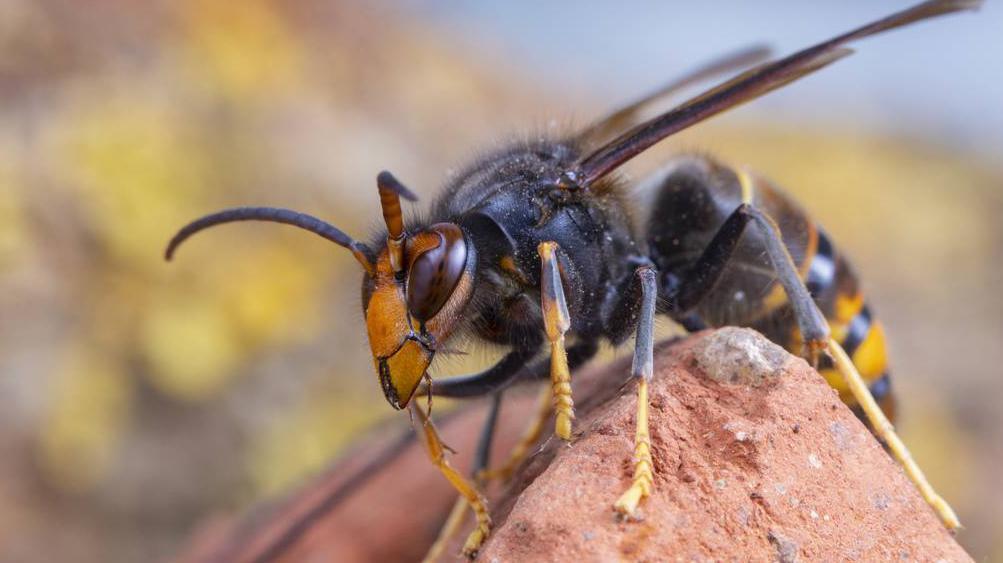
Sightings of Asian hornet nests were reported in Cork last year.
Invasive species which damage local ecosystems, threaten native wildlife, and cause significant economic and agricultural harm are in the Government’s crosshairs for action.
The species damage native plants and wildlife and have a significant impact across agriculture, fisheries, forestry, transport and tourism.
Two of the most rapidly growing invasive species are Japanese knotweed, which can severely damage building foundations, concrete and flood defences, and Rhododendron ponticum, a shrub that rapidly dominates woodland floors, blocking light and destroying native habitats.
Giant hogweed, a large plant that poses a direct health hazard to humans, grey squirrel, which has displaced Ireland’s red squirrel, and American mink, a semi-aquatic predator that severely damages local bird populations, are also high on the list of species that are deemed to be a threat to local biodiversity.
A new partnership between the National Parks and Wildlife Service (NPWS) and the National Biodiversity Data Centre (NBDC), which has just been set up, is to develop an Invasive Species Bureau.
Biodiversity and nature minister Christopher O’Sullivan has also published a rapid response model for the Asian hornet, a new strategic approach for managing any future occurrence of the Asian hornet, a predator of honeybees and other pollinators.
Last year, reported sightings of the invasive Asian hornet in Cork led to a rapid Government response, resulting in the location and removal of two nests.
Mr O’Sullivan, launching the new bureau at the National Biodiversity Data Centre in Waterford, said invasive species, if left unchecked, were a threat to nature and livelihoods.
“This was the approach that we took last year when we successfully identified and removed the two Asian hornet nests from the Cork area,” he said.
Mr O’Sullivan said the new Invasive Species Bureau would strengthen our approach to managing the Asian hornet and other invasives that threaten our native species and habitats.
“One of my top priorities for the bureau will be to develop an invasive species management strategy and support its implementation.
Read More
“This will provide us with solid data, co-ordinate key agencies and stakeholders, and unlock the power of citizen science so that we can spot these species early and stop them from spreading.
“This approach has proven highly effective in other countries and will ensure that we meet our obligations in Ireland and the EU to tackle these species and bring them under control,” he said.
The Invasive Species Bureau formalises the partnership between the National Parks and Wildlife Service and the National Biodiversity Data Centre.
It will support the implementation of EU regulations on invasive species and strengthen Ireland’s approach to managing the threat they pose.
Mr O’Sullivan said the rapid response model for the Asian hornet in Ireland was a new roadmap that would co-ordinate efforts to ensure the species does not take hold in Ireland.
“Each step within this roadmap — from early detection, through to investigation, eradication strategy and deployment of all control measures — is based on the best available scientific evidence.
“The public plays an important role in our early warning system, too. We’ve now made it even easier for everyone to log onto the invasives.ie portal and report suspected sightings of the Asian hornet along with other invasive species,” he said.
National Biodiversity Data Centre chairperson John McCarthy said an effective response to invasive species required data and evidence at its heart, and greater national co-ordination of the key agencies delivering on-the-ground actions.
“We are very pleased to be supporting the NPWS in the delivery of this important work, drawing on the scientific and technical expertise of the National Biodiversity Data Centre.
“Contributing to improved national co-ordination of evidence-based actions will slow the rate of introduction of new invasive species and limit their negative impact on our native species and habitats,” he said.
NPWS director general Niall Ó Donnchú said the partnership between the NPWS and the National Biodiversity Data Centre demonstrated their commitment to protecting high-value nature areas and native species and would ensure national and EU obligations would be met.
With the new bureau in place, work will now begin on a national invasive species management strategy for Ireland.