Huge jellyfish swarms spotted off the Waterford coast
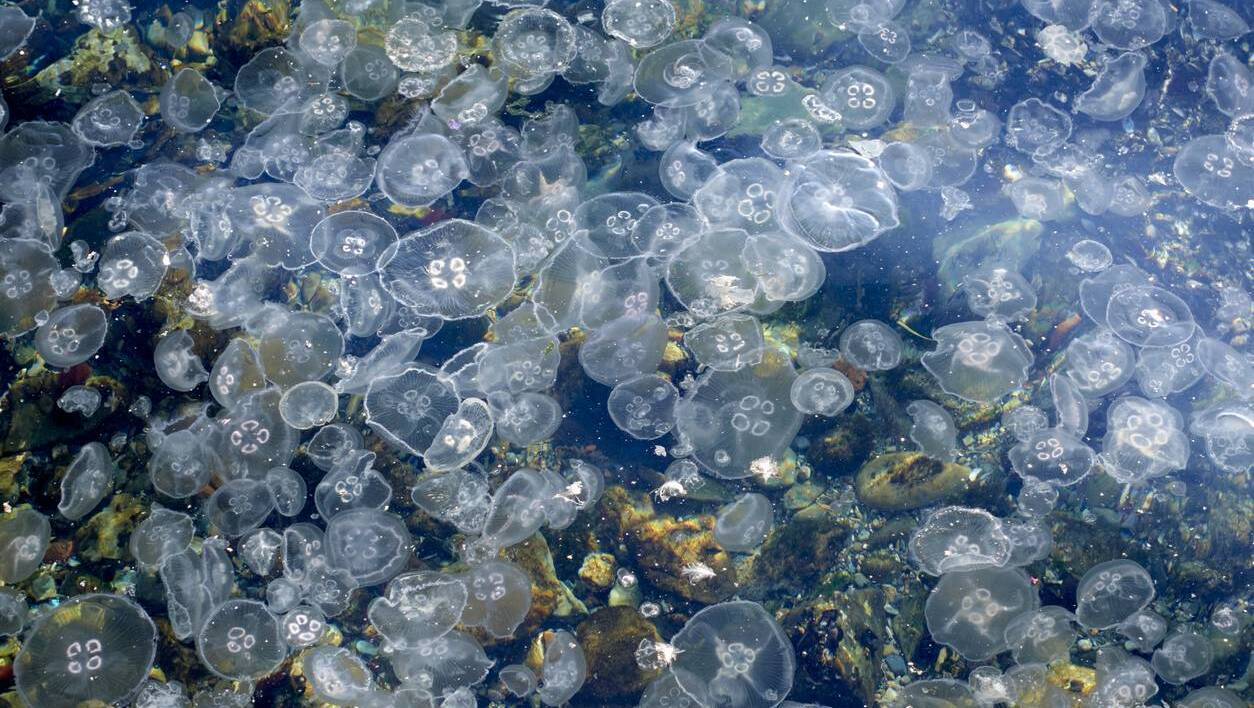
Large bloom of jellyfish bobbing along together. File picture
Swarms of jellyfish have been spotted drifting along the Waterford coast over the past few weeks, with two local residents sharing extraordinary video clips on social media.
One kayaker, Brendan Cosgrave, spotted the spectacle while his group was at sea off Ballinacourty near Helvick Head.
In his viral video, Mr Cosgrave’s kayak is surrounded by jellyfish on all sides for what he estimated was "20 or 30 metres in every direction we looked".
He told Damien Tiernan’s WLR programme: "There was more jellyfish than there was water. I’m going to say tens of thousands of them. And all big ones, the size of footballs."
He added, “Apparently, they’re harmless – I wasn’t getting in to find out.”
Read More
Over the past week, the Waterford coastline has seen large blooms of jellyfish, including off Helvick Head and Dungarvan Bay.
Eoin McGarry, another Waterford native, captured video footage off the coast of Dungarvan Bay after spotting what he initially thought was seaweed in the distance.
Mr McGarry also told Damien Tiernan’s programme: "It was a surreal experience. I know from years of diving that the moon jellyfish are harmless. The more dangerous ones in Irish waters would be the lion’s mane."
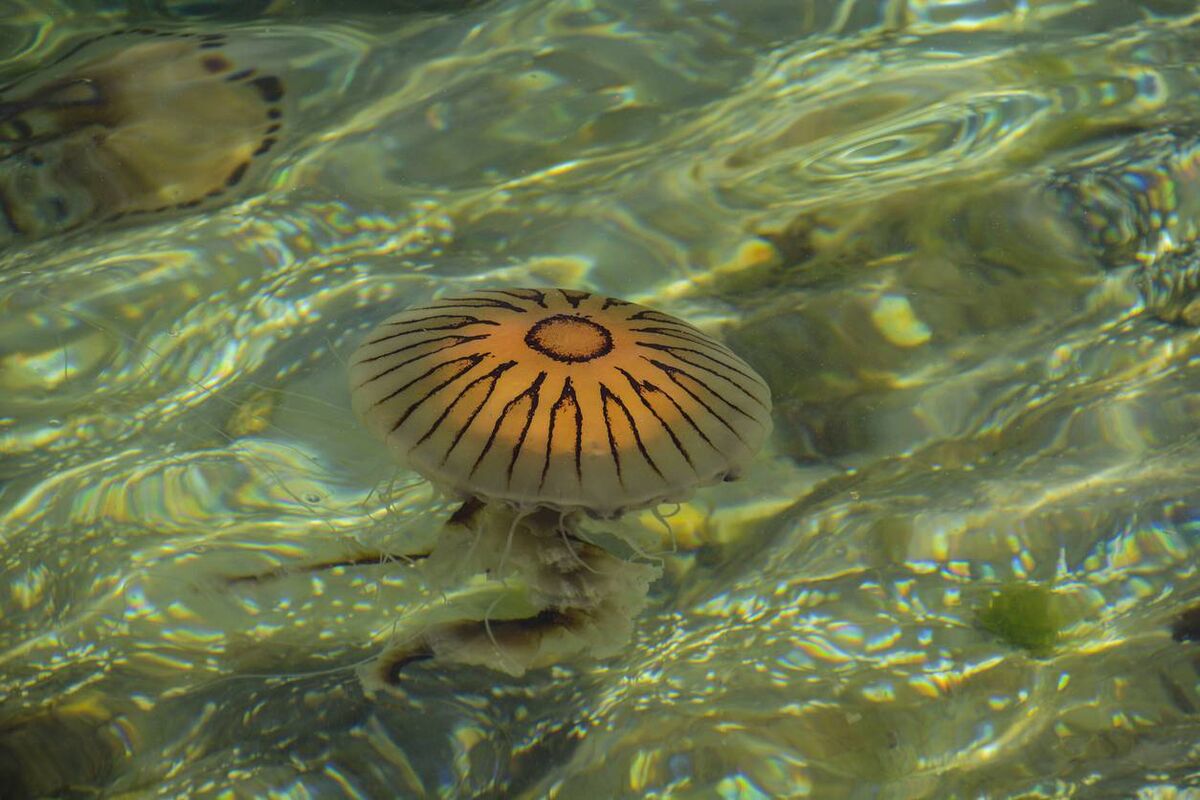
It is still unclear which species made up the massive bloom, but Metropolitan Mayor Cllr Lola O’Sullivan, who is also a Water Safety Ireland volunteer in Waterford, told RTÉ Radio 1 that compass, blue and barrel jellyfish are the species most likely to be found in Irish waters at this time of year.
Damien Haberlin, a marine biologist at University College Cork, told The Irish Times that the jellyfish are harmless to people and are likely to die soon after spawning.
“They’re meant to be there,” Mr Haberlin said. “They’re a normal component of our marine ecosystem and we’d really like people to recognise that.
“People often think that because there’s a lot of them, it’s some sort of abnormality or that it’s caused by the heat but that’s not the case,” he explained.
"It’s usually a convergence of wind and tide that drives them close to shore after they’ve spawned. They have a brief life so once they’ve spawned, they’ll die off.
“And there are exceptional years when you see very large congregations. But this isn’t a sign of anything being out of balance. It’s just how jellyfish are.”
CONNECT WITH US TODAY



Be the first to know the latest news and updates