Gardaí to use findings from 'groundbreaking' Limerick pilot scheme in future policy
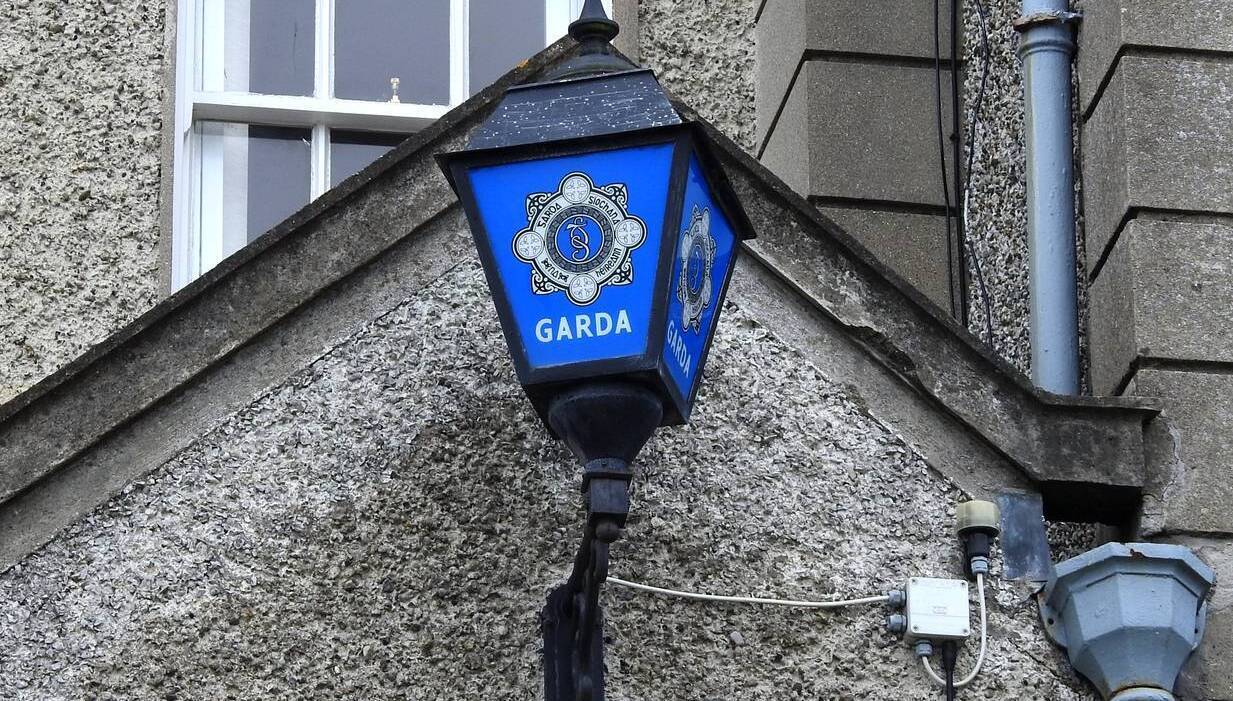
The report reveals that Cast intervention prevented an estimated 133 Section 12 detentions, 61 emergency department presentations, and five arrests, while identifying 19 cases suitable for diversion from prosecution.
An Garda Síochána has said it will use the findings of a new report into a progressive mental health policing pilot in Limerick to inform future policies in the sector.
The University of Limerick (UL) said the Community Access Support Team (Cast), a pilot initiative rolled out in Limerick Garda Station, is a “groundbreaking” new way of managing individuals presenting with mental health crises.
The report said that Cast’s implementation has seen a reduction of mental health detentions, arrests, and presentations to emergency departments. The scheme is run in conjunction with the HSE Mid-West Mental Health Service.
The pilot scheme involved crisis co-response, follow-up engagement, and multi-agency case management to improve outcomes and reduce repeat emergency service contacts.
The joint pilot involved garda members, a clinical nurse specialist (mental health), a social worker, and a social care worker.
Over a year-long pilot from the beginning of 2025 to 2026, Cast responded to more than 1,000 incidents from 477 individuals experiencing complex mental health issues, substance abuse, and homelessness. Some 450 callbacks were completed.
The report reveals that Cast intervention prevented an estimated 133 Section 12 detentions, 61 emergency department presentations, and five arrests, while identifying 19 cases suitable for diversion from prosecution.
The report said the pilot marks a “clear shift” in policing response to vulnerable people, away from detention and criminalisation, to health intervention and support.
“An Garda Síochána has acknowledged the significant work, carried out in particular by the Limerick Division, that has gone into Cast, from its design and implementation, through to the evaluation being launched today,” said a Garda spokesperson.
"It takes place at the interface of policing, health, mental health services, addiction services, housing, social inclusion and community safety.
“Cast shows what can be achieved when agencies work together with a shared purpose, shared learning and a clear focus on supporting vulnerable people in our communities.
“This review gives us valuable insight into how this partnership model has served this community and highlights opportunities for future development.”
Mental health minister Mary Butler said “Cast is making a real and positive difference in people’s lives” and the Department of Health would be using the report to inform future policy.
The UL report said individuals undergoing mental health crises said the Cast approach was humanising, where in previous situations they may have been referred to as ‘cases’, ‘frequent callers’, or ‘problems’.
"This continuity of care led to individuals who had historically resisted engagement beginning to respond once they experienced consistent, non‑judgemental follow‑up," the report said.

CONNECT WITH US TODAY



Be the first to know the latest news and updates