Spike Island exhibition marks 110 years since Aud gun-running mission linked to Easter Rising
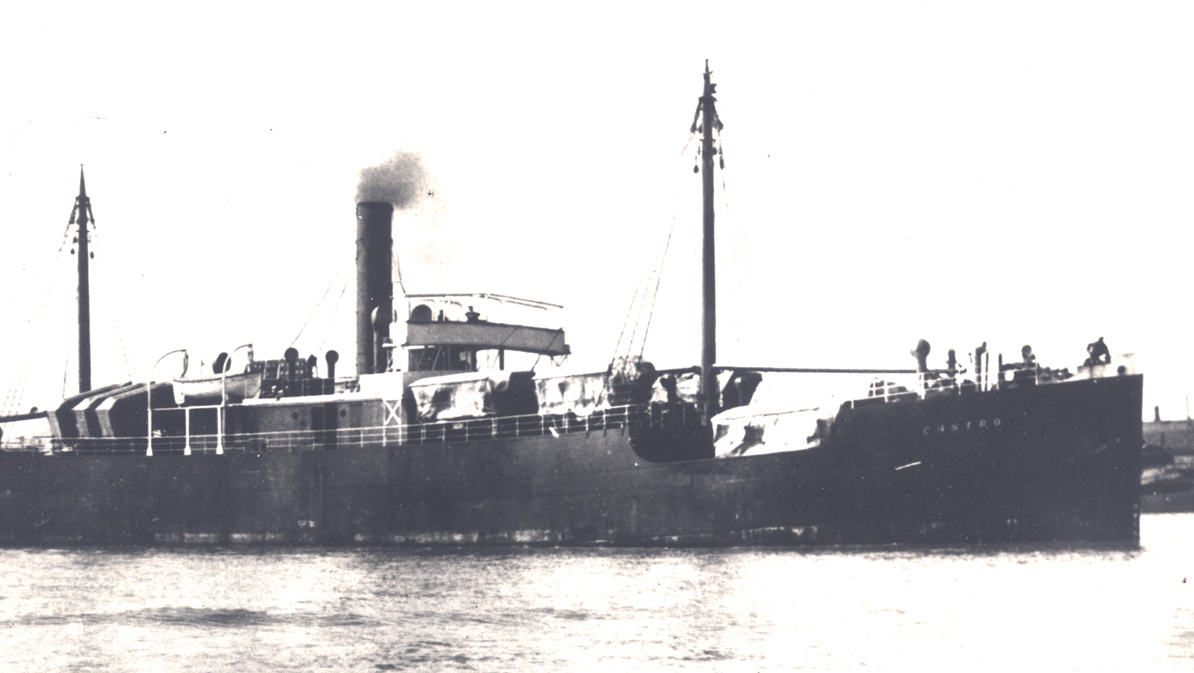
German ship the Aud. File picture
The grandson of one of the German crew members captured while attempting to smuggle arms to the IRA will be a special guest at a new exhibition on Spike Island commemorating the 110th anniversary of the event.
Fred Schmitz is travelling from New York with his family to visit the exhibition next Monday, June 15, which focuses on the history of the Aud and how his grandfather and the rest of the crew, under the command of Captain Karl Spindler, were interned on the island.
Spike Island curator Dorota Gubbins said the exhibition examines the covert German arms operation carried out aboard the SS Libau, disguised as the Norwegian-flagged Aud, and its connection to the Easter Rising.
Mr Schmitz and one of his brothers have donated unique correspondence and photographs relating to their grandfather's experiences at the time.
Read More
“Drawing on new research, archival material, personal recollections, and contributions from descendants of the crew, the project explores both the historical significance of the mission and its more personal dimensions. The exhibition also shows the vessel through underwater photography, situating the wreck within the maritime history of Cork Harbour,” Ms Gubbins said.
Presented across two gallery spaces, the exhibition combines narrative panels, artefacts, photography, film, archival material, underwater survey documentation, and sound to create a reflective, research-led visitor experience.
The ship was on a covert mission to supply guns to the IRA. It was due to land in Tralee and unload approximately 20,000 rifles and around one million rounds of ammunition.
However, it was intercepted by the Royal Navy after British authorities received intelligence about the operation.
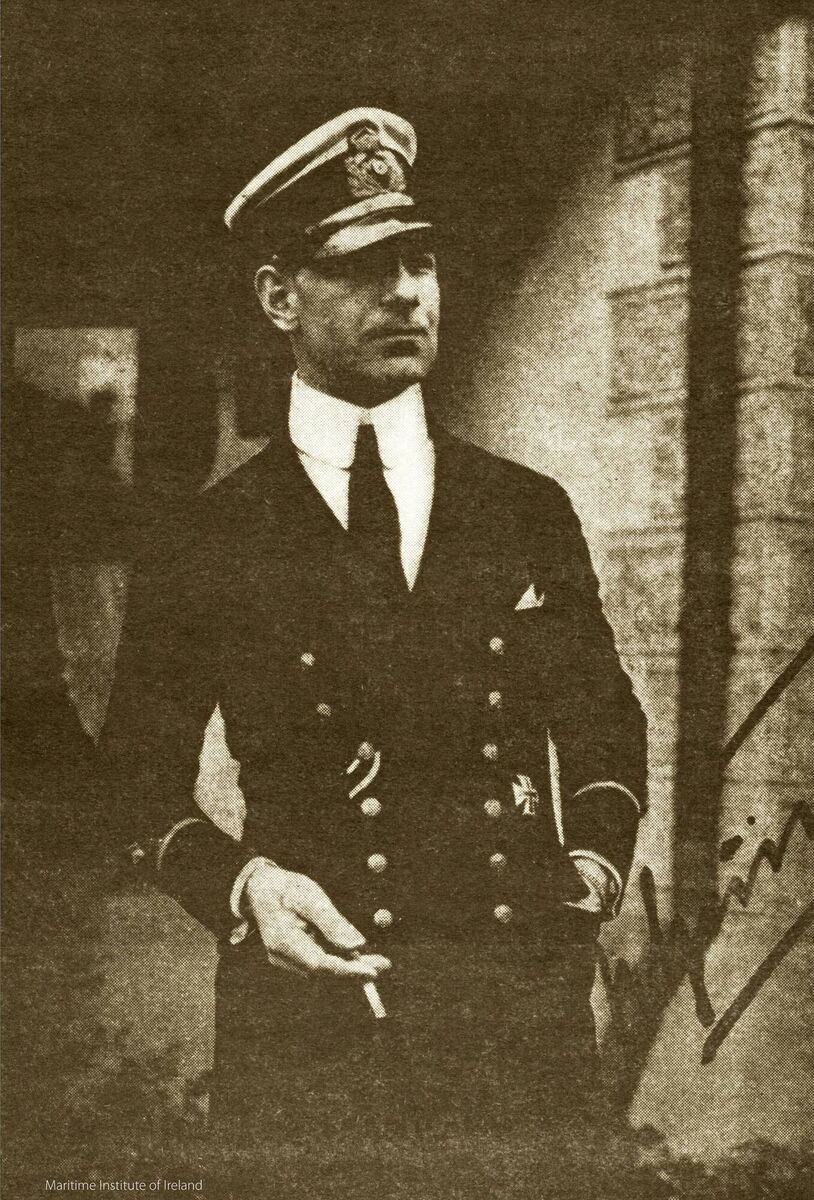
The vessel was being escorted into Cork Harbour when Captain Spindler decided to scuttle it to prevent the munitions from falling into British hands.
He and his crew were then briefly interned on Spike Island.
Today, the wreck remains a vital piece of historical evidence and an important part of Cork Harbour’s maritime heritage.
Ms Gubbins said the new exhibition has been funded by the Heritage Council and Cork County Council.
Meanwhile, the Bere Island Projects Group will host a military festival on June 20 and 21 featuring a number of military experts and examining the island’s rich military history.
Bere Island was once one of the most fortified locations in western Europe and was one of Ireland’s former Treaty Ports.
Following the attempted French invasion of Bantry Bay in 1796, the British built a number of fortifications there.
During World War I, British and American fleets were stationed at Berehaven Harbour to protect Atlantic shipping from German submarine attacks.
The USS Oklahoma, USS Utah, and USS Nevada, which regularly operated from the harbour, were later sunk during the Pearl Harbor attack by Japan in 1941.
CONNECT WITH US TODAY



Be the first to know the latest news and updates