Cork cinema compensation more than doubled to €29,000 in autism discrimination case
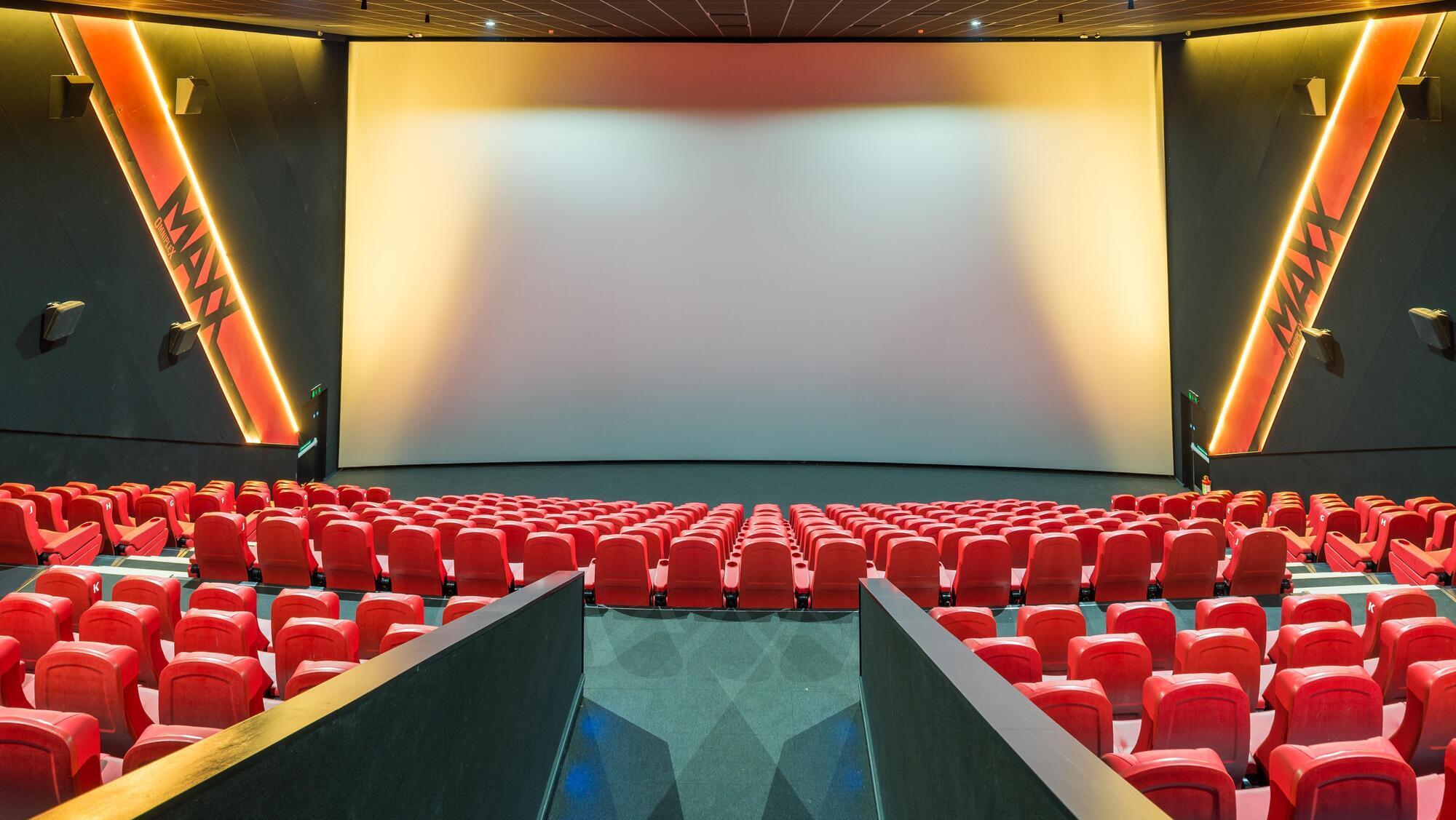
The Labour Court ruled that Omniplex Cork, based in Mahon Point, had breached the Employment Equality Act 1998 by discriminating against Dylan O’Riordan on grounds of disability. File picture
One of Cork’s largest cinemas has had the compensation it must pay to a former duty manager over its failure to provide him with reasonable accommodation for his autism more than doubled to €29,000.
The Labour Court ruled that Omniplex Cork, based in Mahon Point, had breached the Employment Equality Act 1998 by discriminating against Dylan O’Riordan on grounds of disability.
Both the cinema and Mr O’Riordan had issued separate appeals with the Labour Court against a ruling of the Workplace Relations Commission which had awarded the former duty manager compensation of €12,000.
Mr O’Riordan resigned from the company on June 7 2024, after over two years in the job, over allegations that it had failed to provide him with reasonable accommodation.
Read More
He told the Labour Court that he had referred to his autism on his job application but did not require special or reasonable accommodation at the time.
Mr O’Riordan gave evidence that his mental health had deteriorated in late 2022 and he had sought reasonable accommodation from his general manager on several occasions.
However, he said the request was not facilitated, although he was offered access to counselling which he did not take up as he already had a long-standing therapist.
Mr O’Riordan claims his general manager told him that she did not regard autism as a disability but rather a “superpower.”
In October 2023, he had to go on sick leave and met a human resources manager in February 2024 to discuss reasonable accommodations recommended by an occupational health expert.
The HR manager, Ray Fitzpatrick, gave evidence that Mr O’Riordan had rejected a number of roster options.
Mr Fitzpatrick said he had also contacted both the autism charity, AsIAm, and IBEC.
He accepted he had not carried out a workplace assessment as had been recommended by the occupational health expert but claimed it would have been done as part of a return-to-work plan.
In its ruling, the Labour Court noted that an employer had a duty to provide reasonable accommodation to an employee with a disability.
It said that meant the removal of any barriers experienced by an employee so long as there was not a disproportionate burden placed on an employer.
Labour court deputy chairman, Alan Haugh, said Mr O’Riordan had sought reasonable accommodation which was very much in line with recommendations by a doctor to assist his return to work which included set working hours, earlier shifts and regular structured breaks.
Haugh noted that the cinema had provided other recommendations including a quiet space to take breaks and noise cancelling headphones.
He accepted that Mr Fitzpatrick had contacted AsIAm but noted the HR manager had not elaborated on what guidance he received from the charity and if any guidance had been implemented.
The Labour Court also accepted that Omniplex Cork had made three separate proposals about a revised rostering arrangement to facilitate Mr O’Riordan’s return to work.
It said the complainant had an extremely clear insight into his disabilities and the impact of his working arrangements on his wellbeing.
The court acknowledged that he had also articulated his request for reasonable accommodation once he began experiencing difficulties at work.
Nevertheless, Haugh said the evidence of witnesses for the cinema indicated there was a considerable delay in engaging meaningfully with Mr O’Riordan about suitable rostering arrangements.
He said no cogent argument had been made by the company that Mr O’Riordan’s request would impose a disproportionate burden on it.
The Labour Court said Mr O’Riordan’s request and the doctor’s recommendations could have been met in a timely fashion if the company had been “truly committed to facilitating the complainant’s return to work.”
It directed Omniplex Cork to pay him compensation of €29,000, which was the equivalent of one year’s gross salary.
Haugh said the level of the award for the effects of discrimination was designed to be “effective, dissuasive and proportionate”

CONNECT WITH US TODAY



Be the first to know the latest news and updates