Easing rural housing rules would deepen ‘two-tier’ system, warns expert
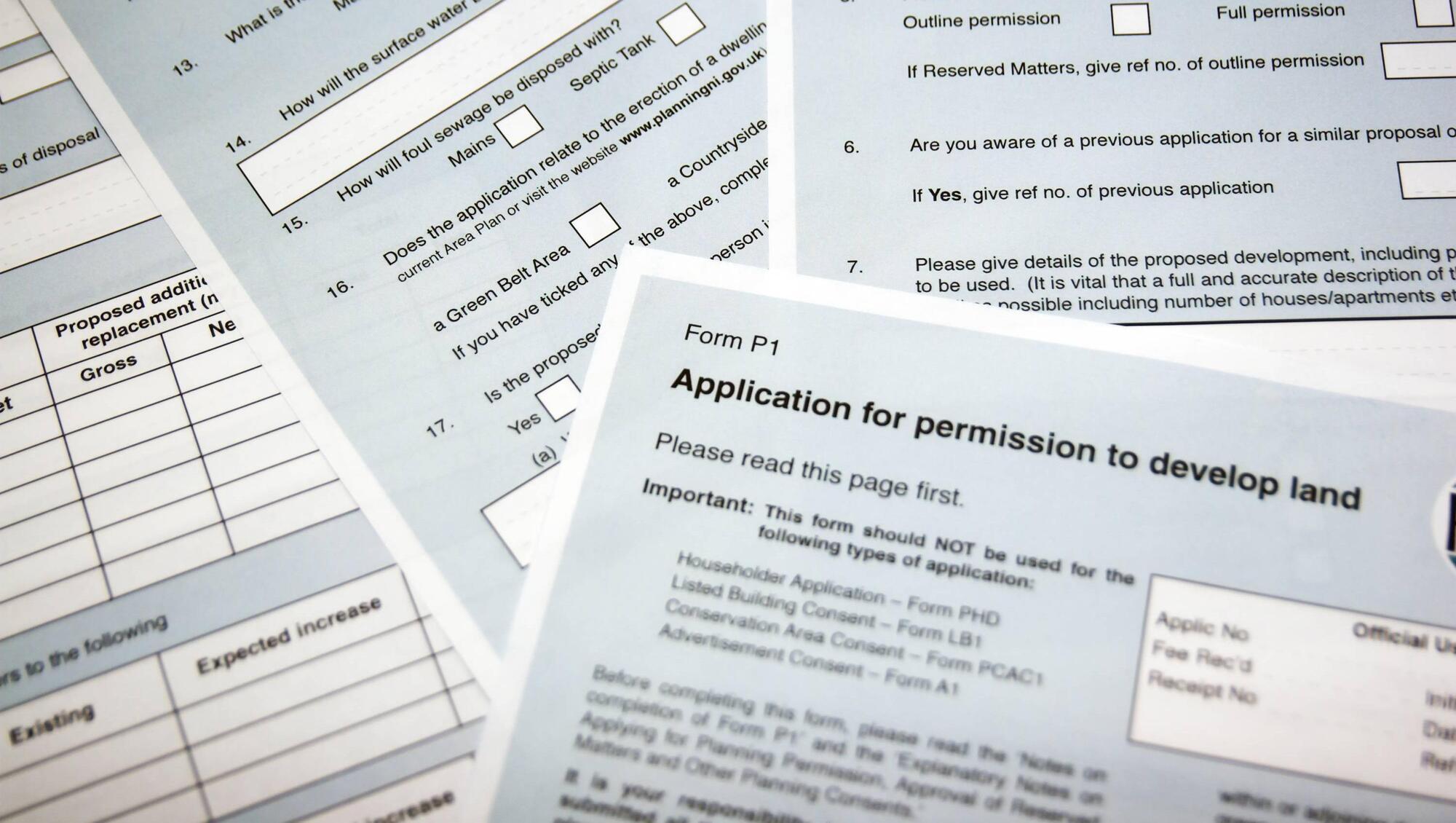
Cork County Council saw the highest number of successful approvals for one-off housing, with 3,182 developments granted from 2021 to 2025.
Plans to ease restrictions on one-off rural housing are an overtly populist move and exacerbate a “two-tier” housing system, according to a leading economics researcher at UCC.
The national planning statement on rural housing is set to go to Cabinet in June and is hoped "to provide clarity and consistency within the planning system".
Current restrictions on one-off housing include requirements to have a residential connection to the area and cause to live in the locality for work reasons.
The definition of what satisfies an economic or social need is expected to be loosened, allowing more people to build in areas where they are from.
Frank Crowley, an economics professor at UCC, said Government plans to uproot the system was “reacting to votes, it's not reacting to economic realities".
He said while the builder bore the price for the construction of the site, public services such as buses and emergency vehicles would have to travel further, and a more dispersed population would further stretch costly road infrastructure.
“It's borne by the general taxpayer, and that's what makes it unsustainable,” said Prof Crowley.
“From a political system perspective, we have a two-tiered housing system; you have rural development, and you have urban development, and there's an injustice with that as well, right?
“If you were born in an urban location, you don't have the opportunity to be able to go for one-off housing because you don't fit the criteria by de facto being in an urban location.”
If the rules are approved, Cork would likely be a national leader in the uptick of one-off housing.
According to research by BCE Consulting Engineers, Cork County Council saw the highest number of successful approvals for one-off housing, with 3,182 developments granted from 2021 to 2025.
A report from the Hardware Association of Ireland suggested 6,000 new-builds could be added to Ireland’s housing supply each year if regulations were to be loosened.
“I don't think it's a case that one-off housing should be banned, but it should be banned at the moment under the current system,” said Prof Crowley.
A recent report by the Housing Commission showed the main driver of sprawl from urban areas was the cost of living, but ultimately, the net benefits could be negligible in the long run.
“People will travel further out from urban centres until they find property, typically low-density, that is affordable. However, this results in higher costs due to the need to extend infrastructure to reach more dispersed, lower-density, suburban housing," it stated.
“The additional costs associated with the extension of key infrastructure in this fashion are generally borne by society.”
Proponents of the changes believe they would help ease Ireland’s housing shortfall while slowing rural depopulation.
Independent Ireland councillor Danny Collins said some of his rural constituents had been forced to emigrate due to the red tape they were forced to navigate in seeking to construct a one-off house.
“I hope [the legislation] will be fairly rigorous, because what's there at the moment is breaking our townlands, our rural areas where couples and young people can't get planning,” Mr Collins said.
Fianna Fáil councillor Frank O’Flynn suggested an increase in one-off housing would decrease carbon emissions by allowing people to live closer to the farms or horse stables where they are employed.

CONNECT WITH US TODAY



Be the first to know the latest news and updates