CUMH apologises to parents of stillborn baby as inquest returns narrative verdict
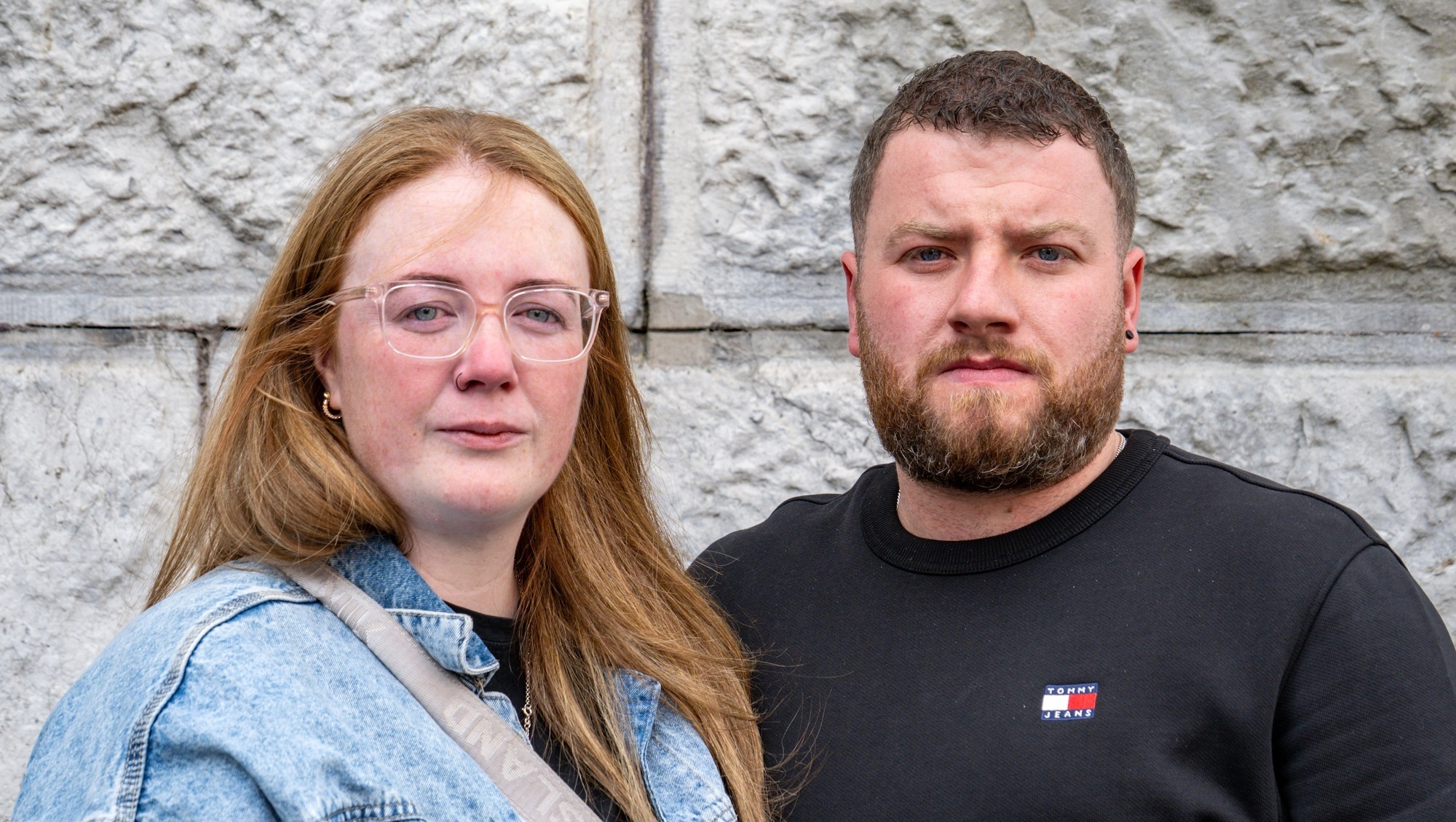
Amy and Jason Barry, parents of baby Connie, outside the courthouse on Washington St in Cork City following an inquest into their son’s death at birth at CUMH. Picture: Chani Anderson
Cork University Maternity Hospital (CUMH) has apologised to the parents of a baby boy who was stillborn days before a planned induction, after “missed opportunities” in the management of his mother’s worsening condition.
The inquest, in the Cork City coroner’s court, into the death of baby Connie Barry heard that the pregnancy had become complicated by worsening intrahepatic cholestasis of pregnancy, a liver condition associated with an increased risk of stillbirth.
Baby Connie was stillborn on Tuesday, April 15, 2025, three days before a planned induction.
In its apology, CUMH offered its “heartfelt sympathies and deepest condolences” to Amy and Jason Barry of Cobh.
“We recognise that there was [sic] missed opportunities in the care provided to you...
“We do not underestimate how traumatic this has been for you and your family and we are truly sorry for what occurred.”
Recording a narrative verdict, Cork City coroner Philip Comyn found the cause of death to be “of uncertain aetiology, but with evidence of foetal vascular malperfusion due to nuchal cord, and also of delayed recognition of worsening intrahepatic cholestasis of pregnancy”.
When Amy Barry discovered she was pregnant, she was “over the moon”, she told the . It was her first pregnancy, and baby Connie was to be the first child for Amy and her husband Jason, and the first grandson in the family.
Attending a routine midwife appointment on March 31, 2025, at 36 weeks gestation, Amy, then 31, reported itching on her hands and feet. Blood tests demonstrated raised liver values.
On April 3, at 36 weeks and three days gestation, Amy attended the CUMH foetal assessment unit, where testing demonstrated elevated bile acid levels. She was diagnosed with cholestasis and a plan was made to induce labour between 38 and 39 weeks.
Intrahepatic cholestasis of pregnancy, often referred to as ICP, is a condition in which bile acids build up in the bloodstream.
While the condition is usually temporary for the mother, it presents increased risks for babies, including that of stillbirth.
The inquest into Connie’s death heard that close monitoring, repeat bile acid testing, and careful assessment of delivery timing are regarded as central aspects of management of the condition.
On April 10, at 37 weeks and four days, Amy reported worsening itch symptoms. A bedside ultrasound was deemed reassuring, but repeat bile acid testing was not then performed.
Four days later, on April 14, Amy presented at CUMH with what she thought were labour pains. No foetal heartbeat could be found, and baby Connie was delivered stillborn the following day.
CUMH’s own internal review subsequently identified delayed recognition of worsening cholestasis, together with missed opportunities for escalation and intervention during the final days of the pregnancy.
Doireann O’Mahony, counsel for the family, asked that the coroner request that new protocols to better manage presentations with cholestasis at CUMH be named in honour of baby Connie.
Mr Comyn said it was not within his remit to make such a request.

CONNECT WITH US TODAY



Be the first to know the latest news and updates