Gardaí relaunch Coastal Watch urging Cork communities to report suspicious maritime activity
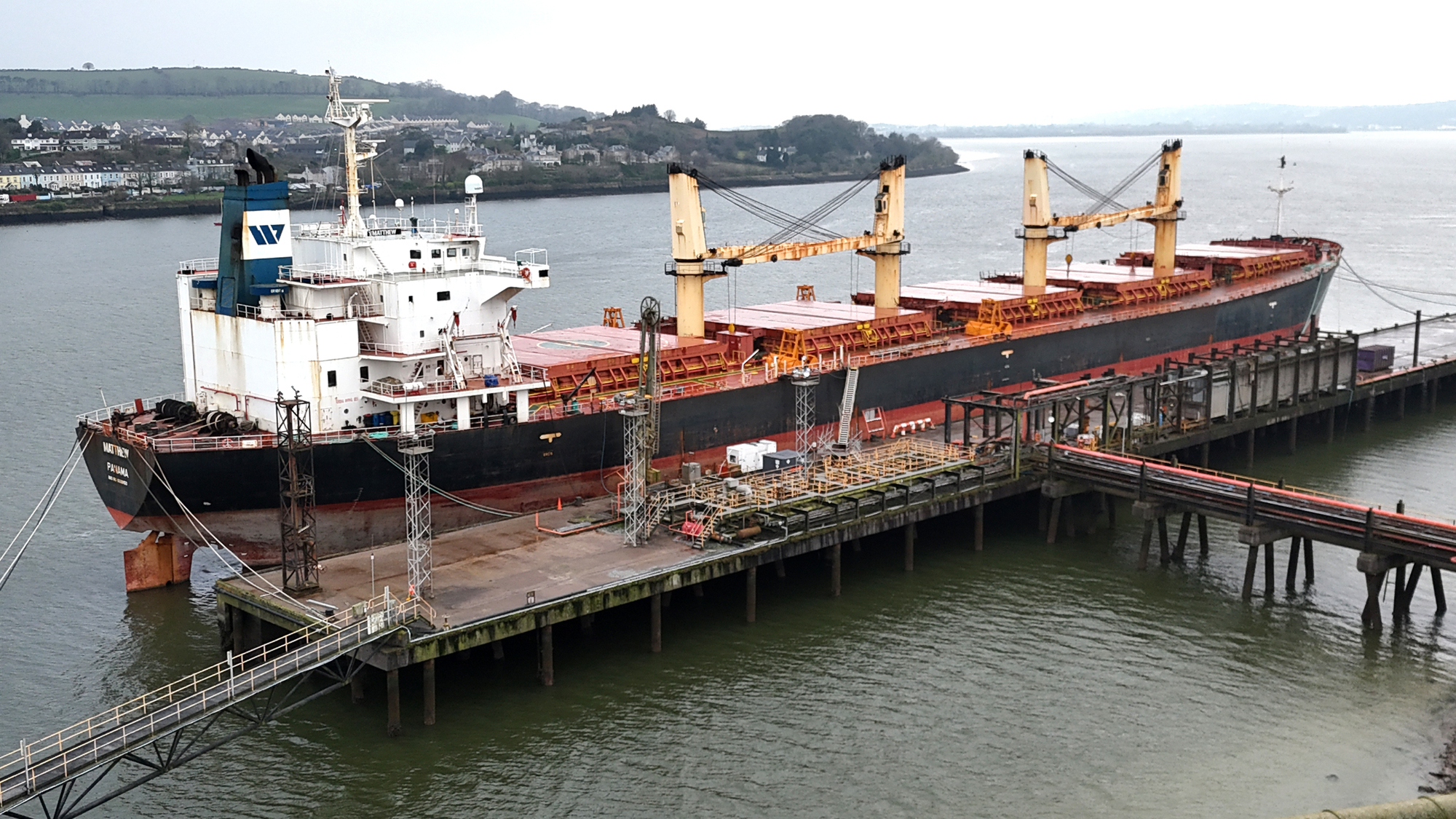
Information from the public alerted gardaí to unusual activity surrounding the purchase of the fishing boat Castlemore in Castletownbere, which was due to collect cocaine from the MV Matthew. Picture: Larry Cummins
Cork's coast is a target for international drug trafficking, and gardaí are encouraging locals to report any suspicious activity through a new Coastal Watch programme.
Packages floating at sea, vehicles parked in unusual locations, and boat crews operating in remote areas are among the activities EIleen Foster, assistant commissioner for the Southern Region, said gardaí want the public to report through Coastal Watch.
Although Coastal Watch was first launched in the 1990s, an enhanced version of the programme was announced in Castletownbere, West Cork, on Wednesday.
“There have been huge drug seizures off this coastline in the past number of years that have made international headlines and we owe those policing successes to the local knowledge reporting of a small, seemingly insignificant detail which eventually unravels a large conspiracy or major crime,” Ms Foster said.
Read More
A Coastal Watch liaison inspector has been appointed in each Garda division in the Southern Region — Cork City, Cork County, Clare/Tipperary, Limerick, and Kerry — to drive the initiative.
Cork County has become one of the most strategically significant locations in Ireland in the fight against international drug trafficking, Vincent O'Sullivan, chief superintendent of Cork County gardaí said.
This is due to Cork’s extensive coastline, deep-water harbours, and direct access to Atlantic shipping routes linking Europe with South America and West Africa.
“In recent years, some of the largest drug seizures in Irish history have been detected off Cork county’s coastline, including the interception of the MV Matthew in 2023, where 2.2 tonnes of cocaine, valued at approximately €157m was seized in a major international operation," Mr O'Sulllivan said.
“These seizures place Cork County within the wider global context of transnational organised crime and international maritime trafficking networks.
“Criminal organisations increasingly seek to exploit remote coastal areas, commercial shipping routes, fishing vessels and container traffic as part of sophisticated smuggling operations targeting the European market.”
Cork’s geographic position on the south-western edge of Europe makes it attractive to organised crime groups attempting to move drugs across the Atlantic and into Europe, Mr O’Sullivan said.
“The coastal watch initiative is not about creating fear or suspicion. It is about building confidence, encouraging engagement, and promoting shared commitment to community safety and wellbeing.”
Local information about suspicious behaviour helped gardaí intercept two major drug trafficking operations off the Cork coast.
Information from the public alerted gardaí to unusual activity surrounding the purchase of the fishing boat Castlemore in Castletownbere, which was due to collect cocaine from the MV Matthew before the vessel ran aground off Wexford in 2023.
Gardaí said the information added to existing intelligence on the operation and helped investigators build a wider picture of the trafficking network.
The interception of the MV Matthew led to the largest seizure of cocaine in the history of the State.
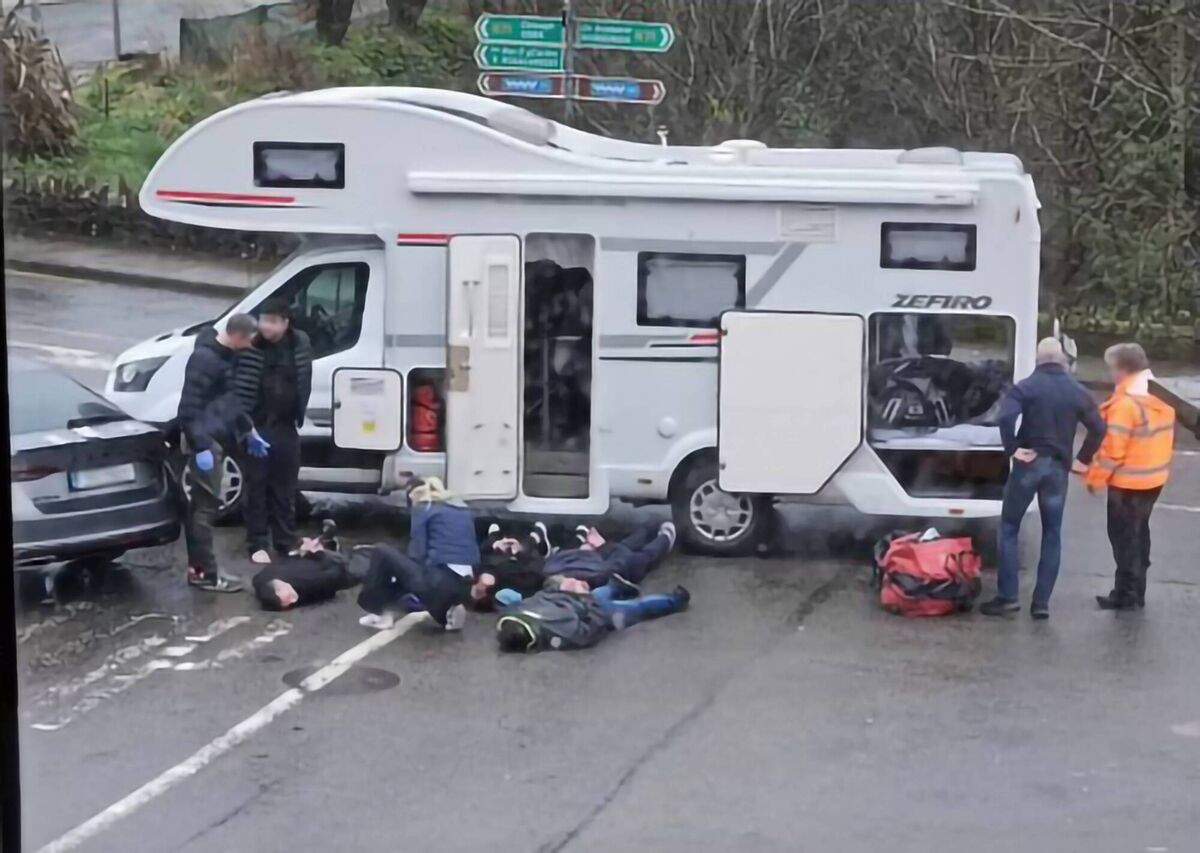
A separate local tip-off also alerted gardaí to suspicious activity at a remote pier in West Cork in 2024.
Gardaí said that information, combined with investigative work, led to the interception of a major drug trafficking operation off Tragumna Pier in West Cork.
“There are an awful lot of landing spots along the southwest coast and there's nothing better than the community's eyes to spot something unusual, be it something like has happened in the past that there's been bales of drugs out at sea, cars parked on piers that would normally not be there, suspicious activities,” Assistant Commissioner Foster said.
“Because no matter what the criminals do around our coastline. The knowledge that the people have locally is significant to us.”
Sometimes criminals book into local B&Bs and raise suspicion among locals, Ms Foster said.
“Coastal Watch is really about bringing the information they have and the local knowledge to the Gardaí so that we can assess the information and determine what the next course of action is."
Assistant commissioner Foster said that while targeting drug trafficking is a major aim of Coastal Watch, gardaí also want reports of antisocial and illegal behaviour affecting coastal areas.
“For example, illegal dumping, illegal fishing, property damage, vandalism, wildlife crime.
“The refreshed Coastal Watch will see posters mounted along the coastline in the southern region asking members of the public to get in touch with us if they want o report unusual activity.
“The posters have QR codes which bring you to our website where you can fill out a form describing what you have seen. This information will then be triaged by On Garda Síochána and directed to the appropriate response required.”
The types of activity An Garda Síochána is encouraging members of the public to report include, but are not limited to:
- Unknown boats landing in remote locations;
- RIBs/boats with names removed or concealed;
- Suspected illegal dumping;
- Suspected illegal fishing;
- Unexpected tyre tracks on laneways;
- Vehicles parked in unusual places;
- Intentionally destroyed vehicles.
An Garda Síochána has invited coastal communities to report suspicious or criminal behaviour through the Coastal Watch form available on the Garda website: www.garda.ie/coastal-watch/.

CONNECT WITH US TODAY



Be the first to know the latest news and updates