Delays to funerals in Limerick due to limited pathology services
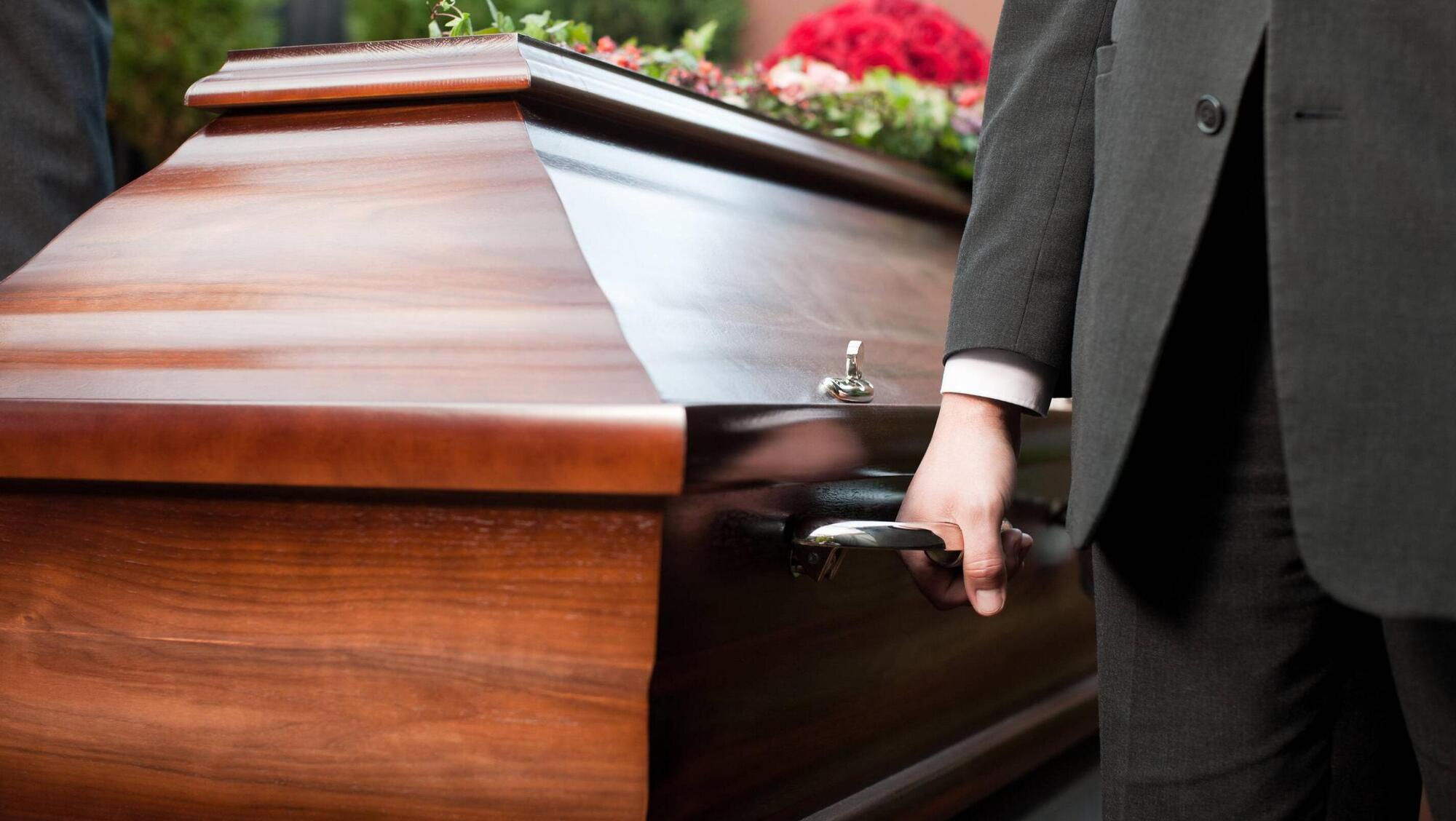
Funeral disruption in Limerick coincided with similar difficulties in Waterford. File picture.
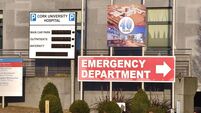
In the week between Christmas and new year, a limited service was available in the mortuary at University Hospital Limerick.
It impacted families in Limerick and Clare, as well as north Kerry and parts of Tipperary.
Pathologists are specialist doctors who carry out autopsies and determine the medical cause of death.
The disruption in Limerick coincided with similar difficulties in Waterford, where coroner-directed autopsies have been carried out by locum pathologists from the UK since early January.
Consultant pathologists at University Hospital Waterford had confirmed that they would withdraw from conducting coroner-requested autopsies at the hospital morgue from January 1.
The issues affecting both areas have been raised in the Dáil.
Labour TD for Limerick Conor Sheehan has called on the Government to find a long-term solution to the chronic shortage of pathologists nationwide.
He said he wants a new model for the service to be agreed and implemented.
Read More
“Autopsies need to be carried out in a timely manner out of respect for bereaved family members,” he said.
“However, there is a severe shortage of pathologists to complete coronial autopsies in the Mid-West region and indeed across the country.
“There are over 700 autopsies carried out annually, yet there are currently only two part-time pathologists covering all coronial work in all of Limerick, Clare, and part of Tipperary.
“This is leading to increased delays to families who are grieving the loss of a loved one, as well as an increased workload for the already-overstretched pathologists who carry out this work in other regions.”
He added: “We need Government to urgently progress the new Coroners’ Bill to modernise the 1962 act.
“We must move away from the current fragmented system of part-time coroners toward a properly-resourced national service.”
In April 2022, the Department of Justice established a standing committee on coroner-directed autopsies, to discuss issues in the sector.
A department spokesman said it is “aware that securing the provision of the postmortem service for the coronial death investigation function is challenging for several reasons, including issues relating to the training and recruitment of pathologists, as well as competing demands on pathologists in areas of diagnostic and research work.”
He added: “The department understands that two pathologists conduct coroner-directed [autopsies] in University Hospital Limerick on a rotational basis.
“However, the department does not have a role in relation to the arrangements for [autopsies] in UHL, which are a matter for the hospital.”

CONNECT WITH US TODAY



Be the first to know the latest news and updates