Halved post-mortem services in south east delaying funerals, priest warns
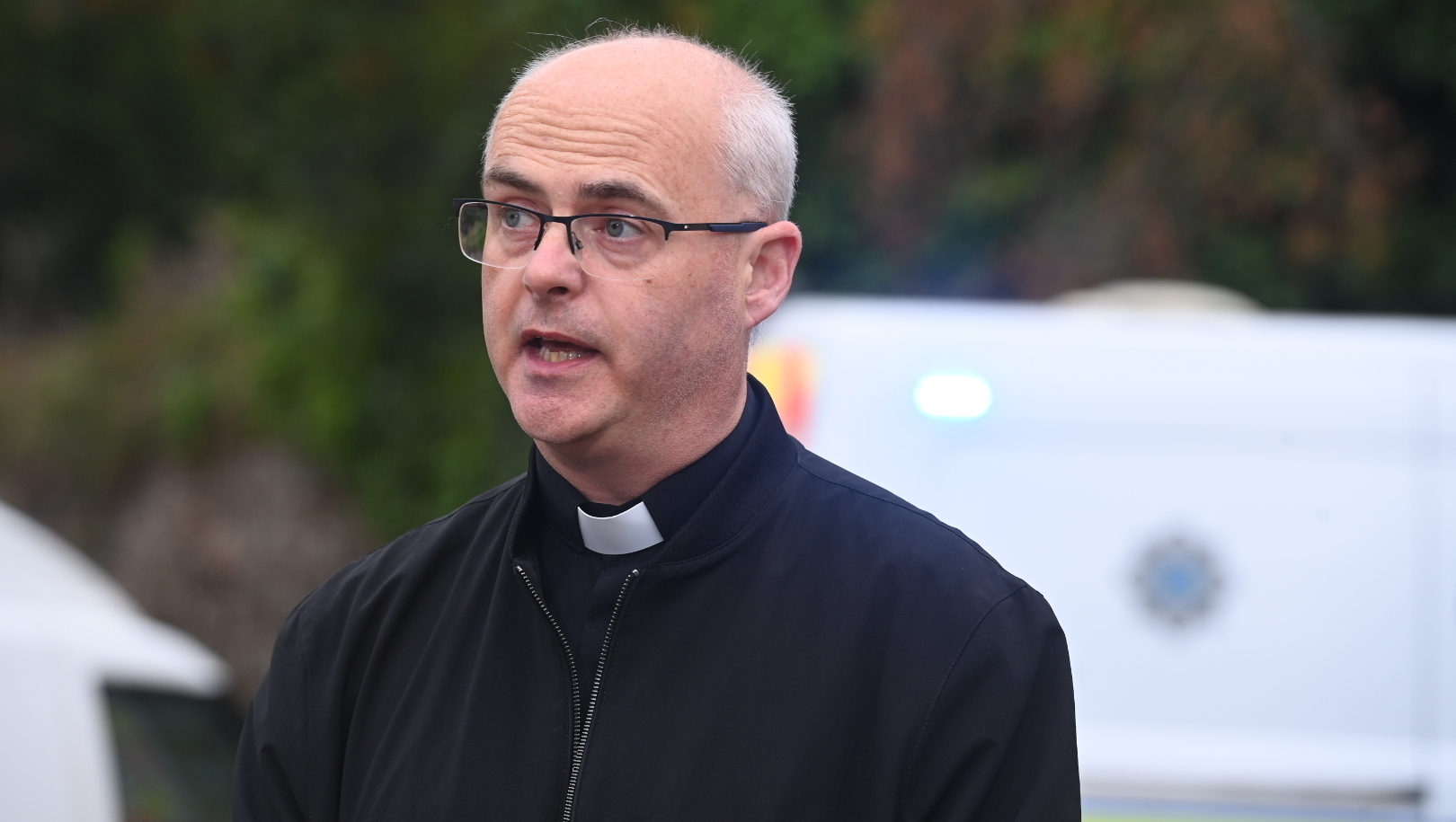
Fr Michael Toomey, who is based in Ardfinnan in Tipperary, outlined how it took a week from the date of death to the funeral of one of his parishioners who had died suddenly. Picture: Larry Cummins
The halving of pathology services for post-mortem examinations in the south east is delaying funerals and making grief even more difficult for families, a priest has warned.
Since January 2, pathology services for coroner-directed post-mortem examinations are being provided three days a week by locum pathologists who travel from the UK.
The new system replaces the seven-day service provided until January 1 by pathologists based at University Hospital Waterford.
The Irish Examiner revealed in October that consultant pathologists at the hospital would be withdrawing from conducting coroner-requested autopsies at the morgue in the hospital from January 1. The move was feared to result in lengthy funeral delays, with up to 700 coroner-directed post-mortem examinations held yearly at the hospital.
Such cases include deaths which may be suspicious, accidental, or unexpected, as well as maternal deaths, in Waterford, Wexford, Kilkenny, Tipperary and Carlow.
While a permanent solution to the issue has not yet been found, the Department of Justice and the Department of Health said services were being provided “by locum consultants recruited by the Department of Justice, using the available facilities and auxiliary staff of University Hospital Waterford”.
The service is being provided on Mondays, Wednesdays and Fridays.
Fr Michael Toomey, based in Ardfinnan in Tipperary, said he officiated over a recent funeral which was delayed because of the new service arrangement.
He outlined how it took a week from the date of death to the funeral of one of his parishioners who had died suddenly.
He said there had been other delays in other areas, and cited a case where remains were released just hours before a planned reposal for the person in another area of Tipperary.
He said: “It is delaying things and lengthening things out for families.”
Health minister Jennifer Carroll McNeill said in response to a query by Fine Gael TD Michael Murphy: “Historically, the health service has assisted in the provision of coronial post-mortem services, on a 'grace and favour' basis. While consultant pathologists are employed by the HSE, coronial post-mortems are carried out independently for the Department of Justice.
"Increasingly, the 'grace and favour' model is not working. Hospitals are withdrawing from the provision of coronial post-mortem examinations.
“The reasons for these withdrawals are diverse and complex. They include a shortage of consultant pathologists willing to undertake this work and increasing diagnostic workloads.
“My department and the HSE will continue to engage constructively with the Department of Justice to support a long-term resolution to this issue. All stakeholders remain committed to ensuring the continuity, quality and efficiency of coroner directed post-mortem services.”
Previously, a Department of Justice spokesman said there were issues within the pathology profession generally, “including relating to training and recruitment, as well as competing demands on pathologists in areas of diagnostic and research work”.
He pointed out a standing committee on the provision of coroner-directed post mortem examinations was set up in 2022 by the Department of Justice to examine issues in the area.
CONNECT WITH US TODAY



Be the first to know the latest news and updates