Fota Wildlife Park announces appointment of new director
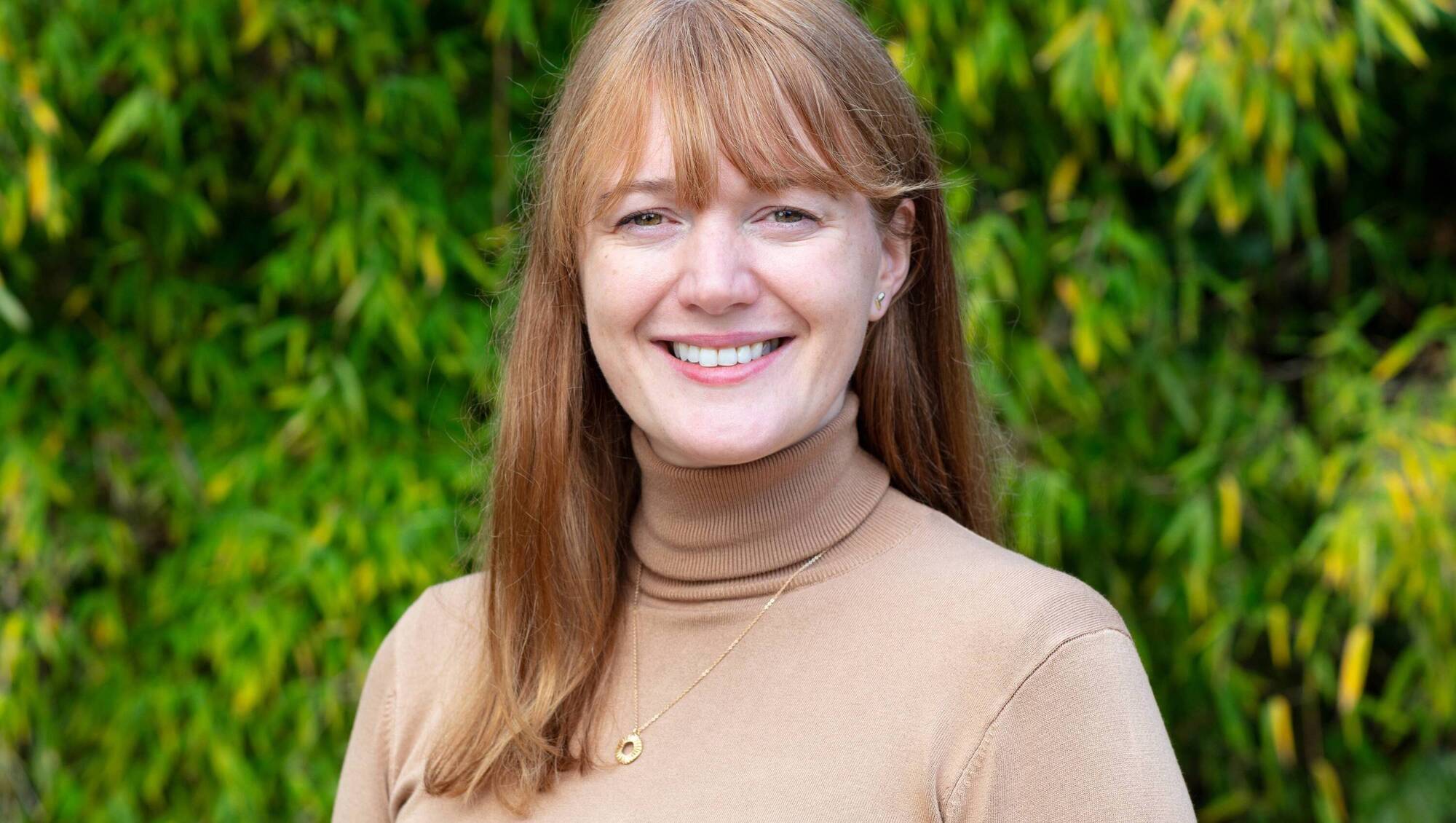
Aileen Tennant will take up the role of Fota Wildlife Park from July 1 when she takes over from Sean McKeown who is retiring as director after 40 years. Picture: Patrick Bolger
Cork’s Fota Wildlife Park has announced the appointment of its new director. Aileen Tennant will assume the role from July 1. She takes over from current director Sean McKeown, who is retiring from the park after 40 years.
A native of Co Carlow and a Dublin City University (DCU) Science Education graduate, Ms Tennant previously worked for nine years with Dublin Zoo, where she oversaw the expansion of its Discovery and Learning department.
She also helped deliver Dublin Zoo’s first-ever conservation education master plans, and spearheaded the implementation of the Zoorassic World and Himalayan Hills visitor experiences there.

Ms Tennant said she was “incredibly honoured” to be joining Fota Wildlife Park and to contribute to its mission “to enable a more sustainable and biodiverse future, which will be driven forward by activity in the new education complex”.
“I look forward to working with the team to deliver positive change in the conservation of wildlife and to inspire visitors to join us in this mission at Fota Wildlife Park,” she said.
In her role as director, Ms Tennant will oversee all aspects of management of the park, which attracts around 450,000 visitors annually, while upholding its core values of conservation, education, research, animal welfare and visitor experience.
Her appointment also coincides with the park’s recent commissioning of a new, state-of-the-art Education, Conservation and Research Conference Centre.

Fota Wildlife Park chairman Jim Woulfe said: “Aileen's extensive experience and dedication to conservation and education make her the perfect fit to lead Fota Wildlife Park into its next chapter of innovation, growth, and development.”
Mr Woulfe also paid tribute to outgoing director Sean McKeown for his “steadfast leadership” throughout the development of Fota Wildlife Park and his “commitment to conservation over the past 40 years”.
“We wish him the very best on his retirement," Mr Woulfe added.
Last year, Fota Wildlife Park celebrated its 40th anniversary. Almost from the outset, the plan for Fota was anchored less on the idea of a traditional zoo and more on the wildlife park concept that had already become popular elsewhere in Europe.
Since it first welcomed visitors on June 23, 1983, the park has developed a number of breeding programmes aimed at halting the decline of some critically endangered species.
Over the past four decades, more than 240 cheetah cubs have been born at the park, as have more than 72 Rothschild’s giraffes, 60 European Bison, and, in 2022, an Indian Rhino calf – the only one ever born here.
A non-profit organisation, Fota Wildlife Park also participates in the European Endangered Species Breeding Programme (EEP) for several different animals, including the Cheetah, Lechwe, European Bison and Simitar-horned Oryx. The park has also offered its expertise in the area of wildlife reintroduction programmes to initiatives at home and abroad.