The health service is stumbling into a summer of discontent with more paramedic strikes planned for this month, on top of “exceptionally busy” hospitals and stretched community services.
On Tuesday, around 2,000 paramedics and emergency staff picketed, including hundreds in Cork, under Siptu and Unite as they called for extra work and responsibilities to be recognised, among other pay-related issues.
Ambulance workers on picket lines across the country said they are “prepared for the long haul” if no action is seen on pay. It followed a rejection by members of proposed HSE pay improvements as inadequate, following Workplace Relations Committee engagement last year.
The strike left hospitals and other facilities running with 43% the normal ambulance staffing numbers.
Siptu ambulance sector organiser John McCamley called on the HSE to act on the recommendations of an independent review of roles and responsibilities from 2020.
He warned: “Next week we’ve a 48-hour stoppage and then the week after that a three-day stoppage, and then rolling strikes after that.
“It isn’t necessary that we have these disputes. There’s a very simple answer to this. We just need the HSE to drop their pre-conditions [to talks] and deal with a two-step solution to this.”
Cork city-based paramedic Colin O’Leary said: “Our fight and our argument is that we are seeking recognition for the changes and modernisation that we have carried out over the last 15 years.”
The HSE said that, by Tuesday evening, it was seeing “significant impact” due to the action, including ambulances taking longer than usual to answer call-outs.
“We continue to prioritise patients facing emergencies such as cardiac or respiratory arrest, and those experiencing serious trauma such as that arising from road traffic accidents,” said a spokeswoman.
However, the HSE acknowledged the union’s contingency arrangements, while Mr McCamley said workers had left the picket lines at times to work.
Taoiseach Micheál Martin said a package was agreed and recommended by representative bodies and told the Dáil that the HSE remains willing to engage with unions.

Responding to Social Democrats leader Holly Cairns, he ruled out any direct involvement from the health minister.
“We’ve long gone from the day when there’s a ministerial intervention in every single dispute,” he said, adding disputes must be resolved through the Workplace Relations Commission.
Sinn Féin leader Mary Lou McDonald accused the Government of refusing to “resolve long-standing pay conditions and staffing issues”.
“Ambulance workers don’t want to be on strike,” she said.
They want to be at work, helping people, saving lives, but you force them to fight for respect, for recognition and for fair pay, and it is to their credit that they will continue to respond to life-threatening situations during this stoppage.
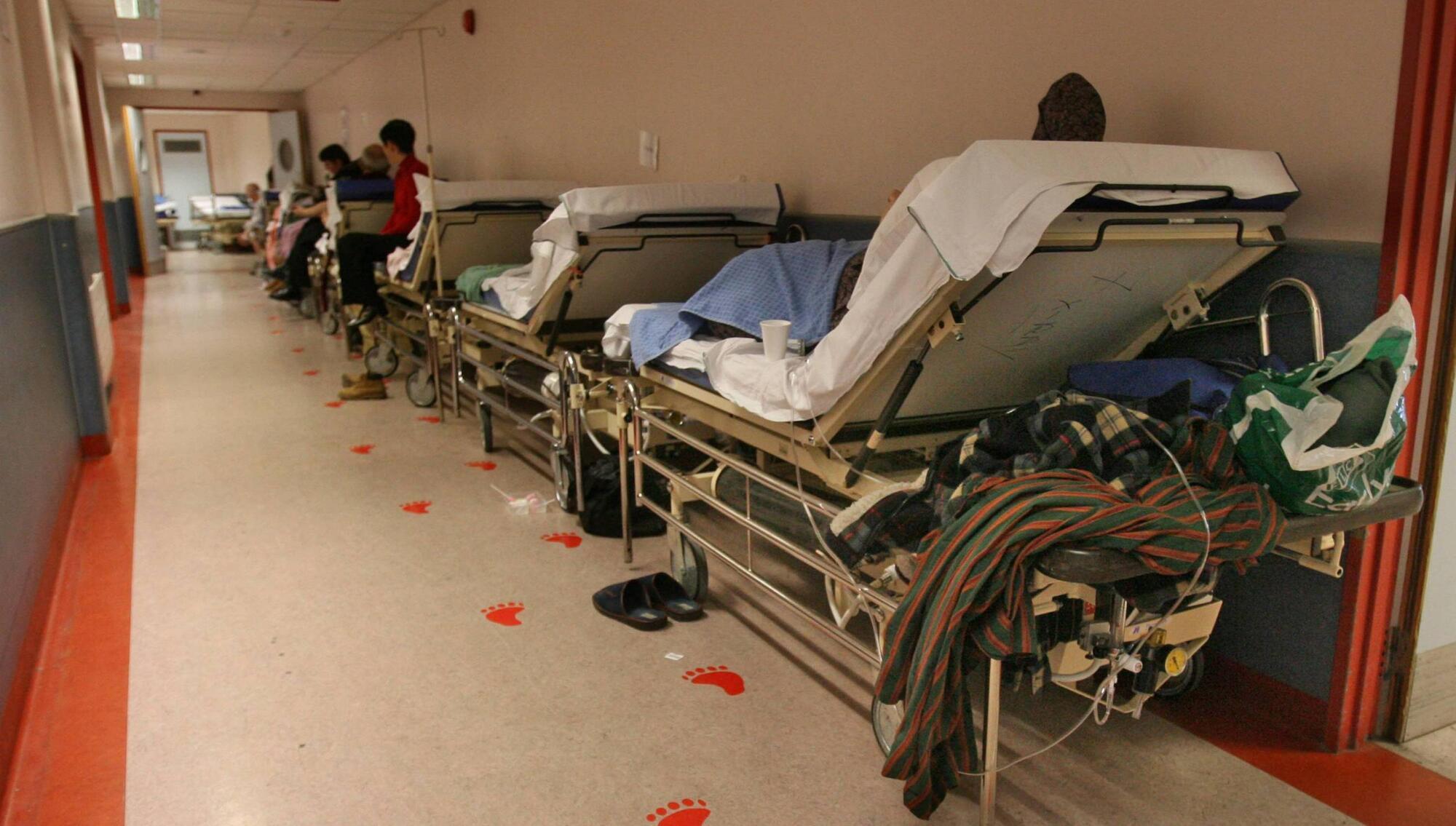
Also this month, the Irish Nurses and Midwives Organisation (INMO), as well as the HSE, recorded high numbers of patients waiting for hospital beds.
Tuesday’s HSE data showed 432 people on trolleys and 597 on temporary surge beds. The latter means those beds are not available for everyday care.
At University Hospital Limerick, where the INMO recorded 101 people on trolleys, a spokesman said: “Elective activity continues on a very limited basis.”
No beds were blocked for infection control reasons, he said.
Some 337 patients presented to the emergency department in the 24-hour period leading up to 8am on Tuesday, compared to an average of 260 last year, he added.
The HSE spokeswoman said: “Hospitals are exceptionally busy at present.”

Cancel anytime
CONNECT WITH US TODAY
Be the first to know the latest news and updates