Fota at 40: Conservation and survival as Cork's wildlife park marks a milestone
As the Wildlife Park prepares to mark their fortieth anniversary, Noel Baker goes behind the scenes with the rangers
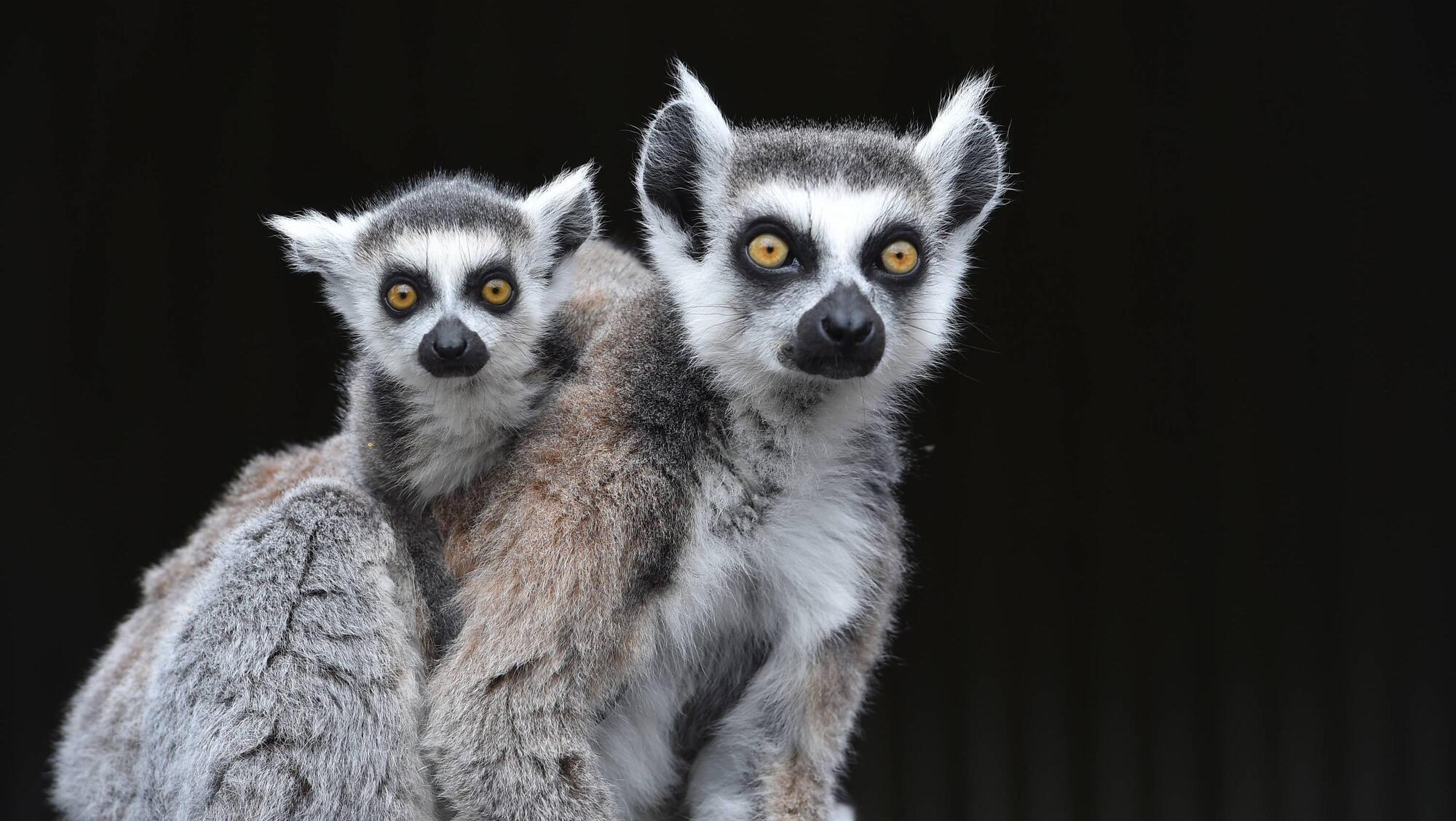
A ring-tailed lemur carrying her newborn baby on her back at Fota Wildlife Park. Endemic to Madagascar, they are one of the most Critically endangered species in the world. Picture Dan Linehan

A ring-tailed lemur carrying her newborn baby on her back at Fota Wildlife Park. Endemic to Madagascar, they are one of the most Critically endangered species in the world. Picture Dan Linehan

Last autumn Jai became the only Indian rhino ever born in this country, with Fota Wildlife Park announcing his birth and his name. And in a delightful twist, it turns out his dad is the one with the nappy rash.
Jamil and Maya were the proud parents to Jai, but it’s Jamil who needs a regular application of Aveena baby lotion on his rear end after he took to scratching his hind quarters after making a, em, deposit. 

In a way, it sums up the Park’s ethos to perfection — the herculean conservation efforts paying off with the successful birth of an endangered species after a 16-month gestation period, the involvement of the public in the naming process, and the ongoing care and attention to detail regarding animal welfare — even the itches and scratches.

If there is an extra spring in the step of the staff at the park these days, maybe it’s because a big birthday is coming up. June 23 will mark the 40th anniversary of the park’s beginnings, a remarkable milestone for a facility that has come to assume international importance in the world of animal health and conservation. 

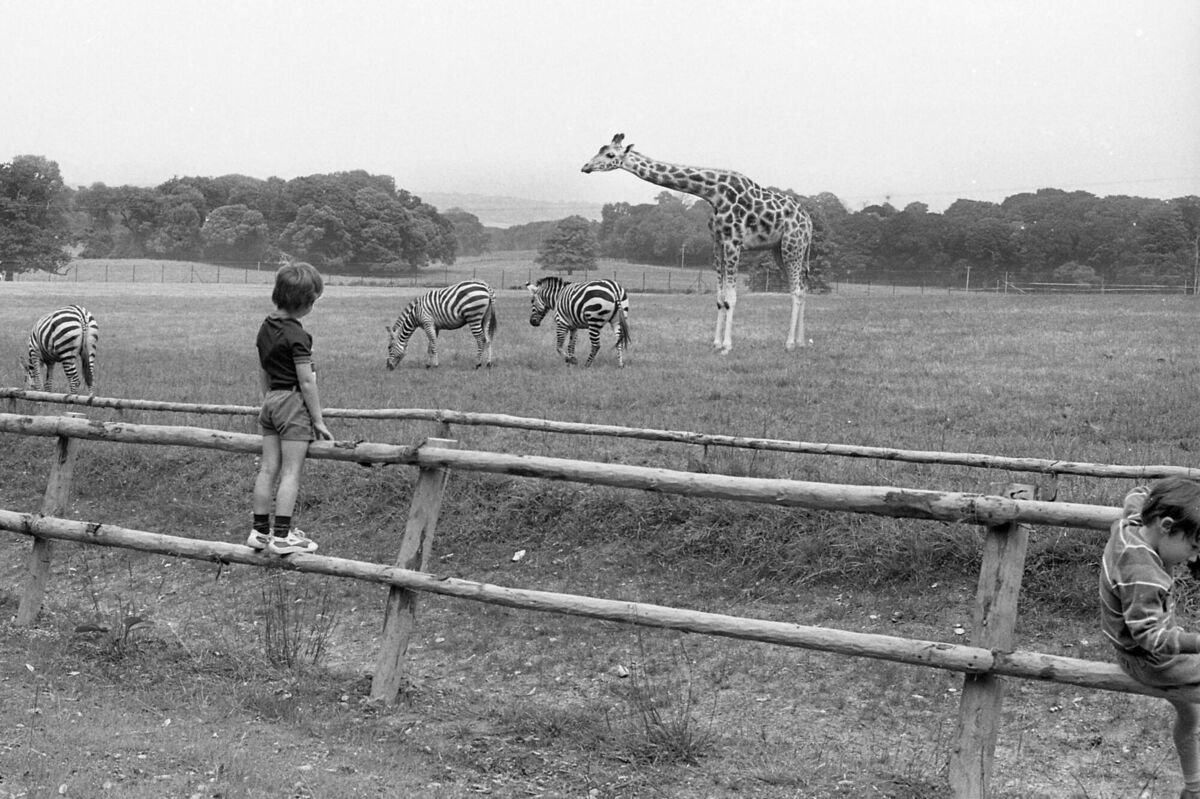
A youngster takes in the view on Fota's opening day in 1983.

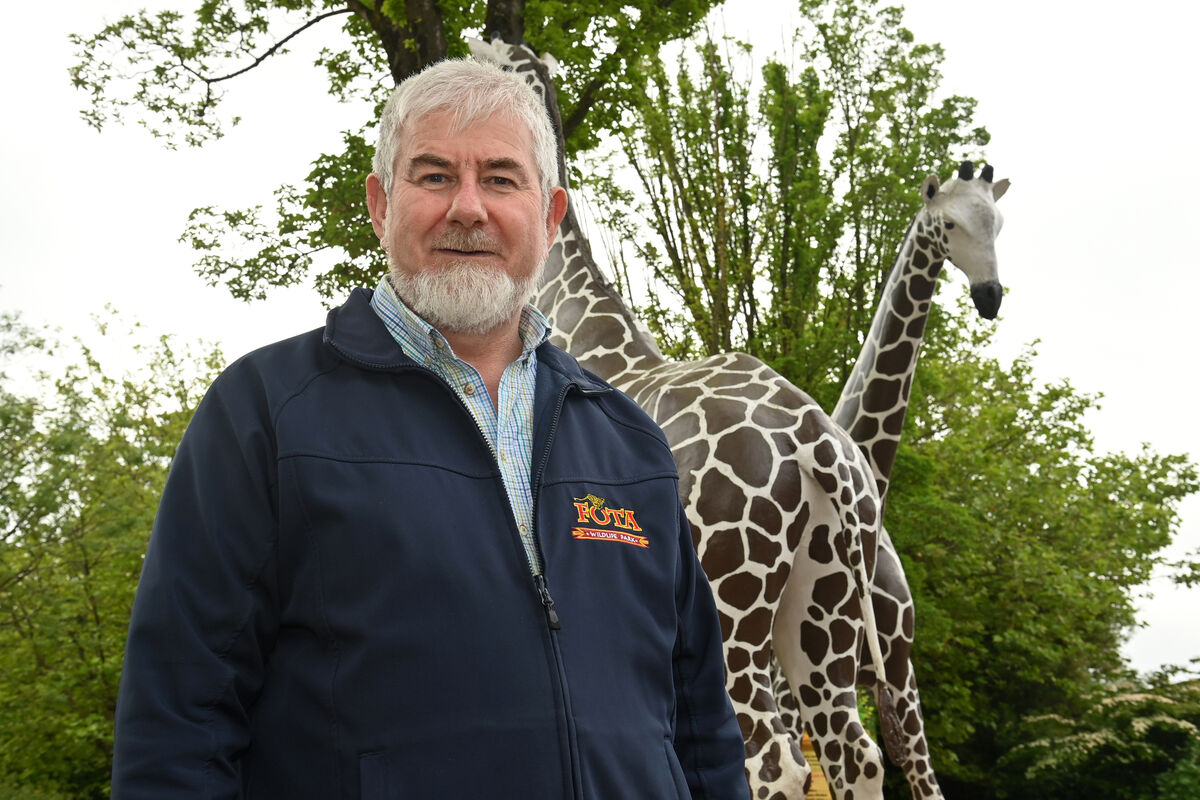
Its current director, Sean McKeown, well remembers the heady days when the park first came into being, after the combination of University College Cork and the Zoological Society of Ireland first discussed opening a site outside the capital, with Kildare, Meath, and Wicklow initially under consideration.

“At the time the university had bought Fota Island and in 1975 they were in the gardens and had them open to public,” he says. “They thought a zoo here would attract more visitors.

“They approached Dublin Zoo at the end of 1980 and that was where the whole things started.”

Almost from the start the plan for Fota was anchored less on the idea of a traditional zoo and more on the wildlife park concept that was already proving popular elsewhere in Europe.

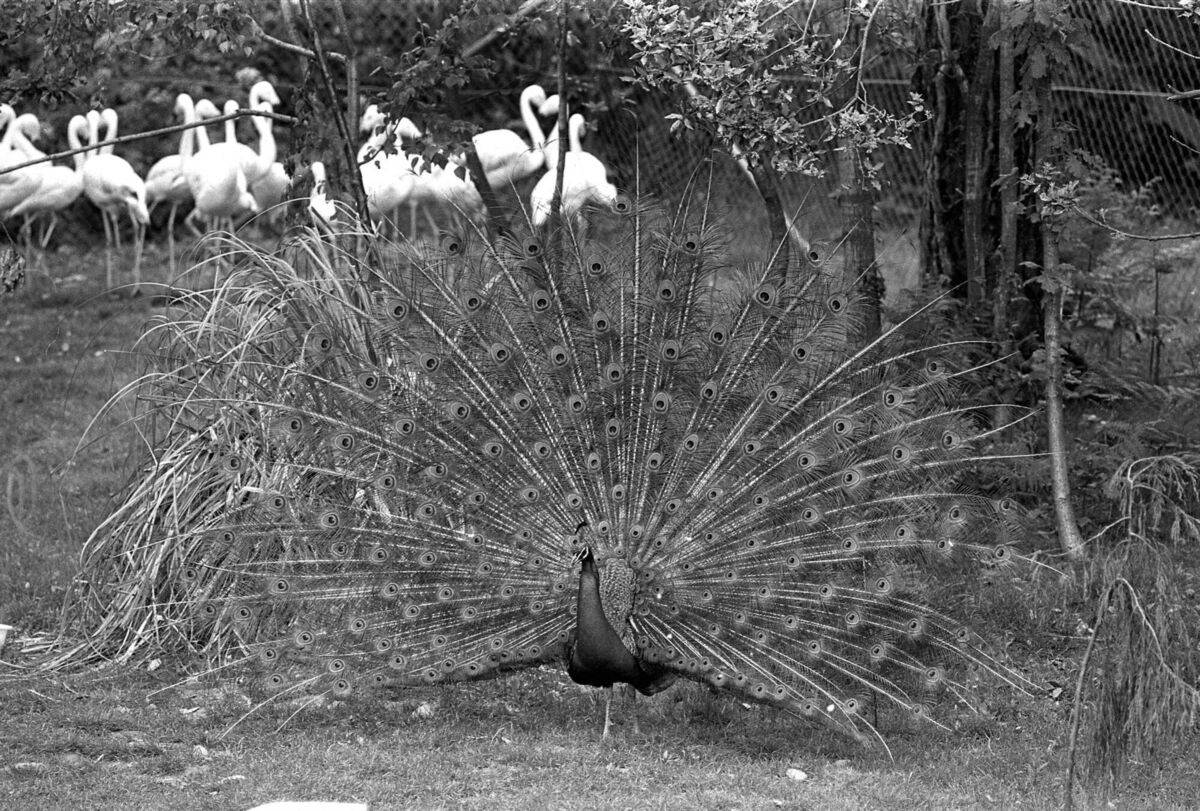
A resident of Fota Wildlife Park shows off, just before the park's opening in 1983.

Sean first moved down to Cork in 1982. From simple beginnings, the park grew alongside the range of species, with zebras and giraffes in situ by the time the park opened. It has borne rich fruit.

“The memorandum of understanding and articles of association of Fota Wildlife Park in 1983 was around education, and endangered species, to prevent their extinction and to carry out research into why they were becoming extinct and then assisting them back into the wilds,” Sean recalls. 

That blueprint has been followed to the letter, with 108 specifies and 1,800 individual specimens now on the campus. “When we started that first year we didn’t have that many mammals — giraffes, cheetahs, two or three lemurs, two male spider monkeys, flamingos and penguins,” Sean says. “The rest were ducks and geese.”

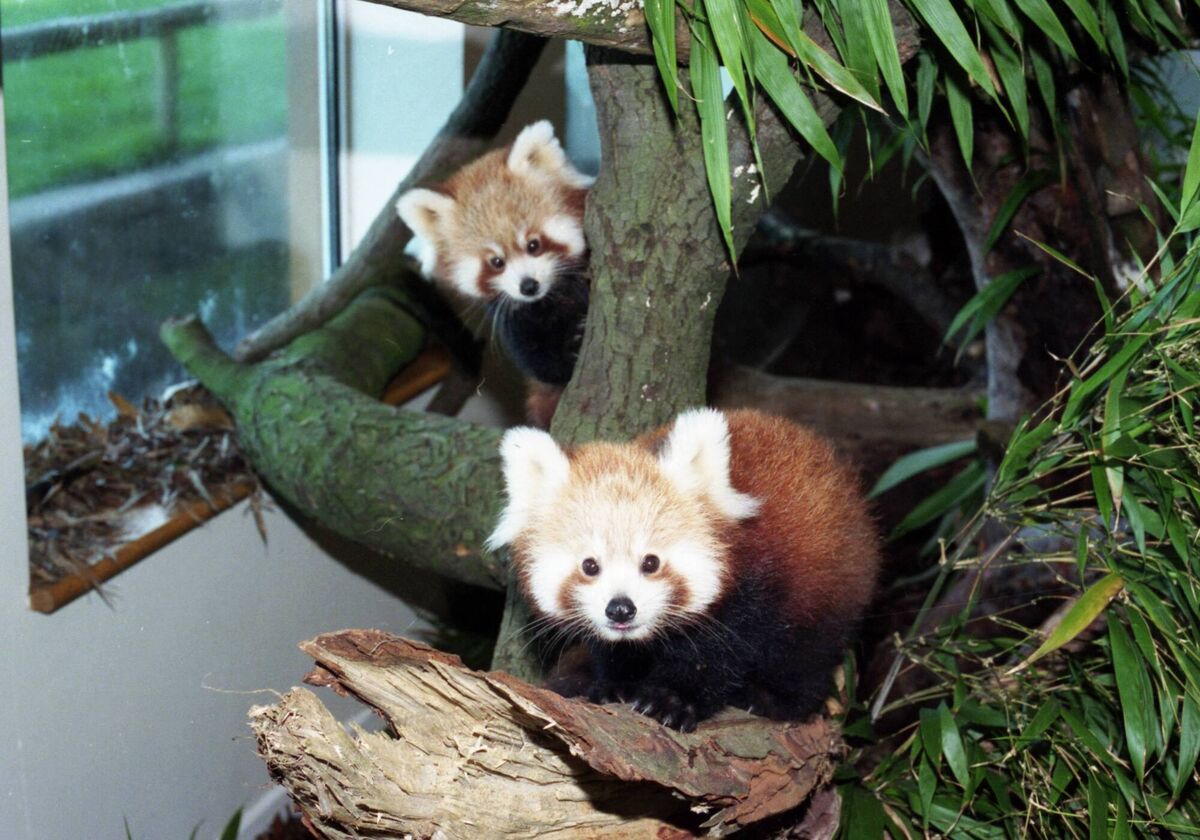
Two red panda cubs photographed at Fota Wildlife Park in 1993 - the first of their species to be born in the Republic of Ireland. Pic: Denis Minihane

A SIMIAN ANGELUS

There is a lot more variety these days. One of the joys of a visit to Fota is the proximity of beautiful animals all around — a mara balmed off in the sunshine over there, a pelican resting, statuesque, by the pond, or a Colombian spider monkey swinging from bough to branch, and the collective call of the siamang gibbons, a sort of simian Angelus that booms out every day at early morning, around lunchtime and in the late evening. 

While the giraffes and zebras catch the eye in the central pastures, the tropical house allows visitors to watch a sloth sleeping or an iguana resting on a branch. And there is the added risk/bonus that you might be passing at the wrong moment and get pooed on by a black and white ruffed lemur lounging in an overhead net tunnelway.

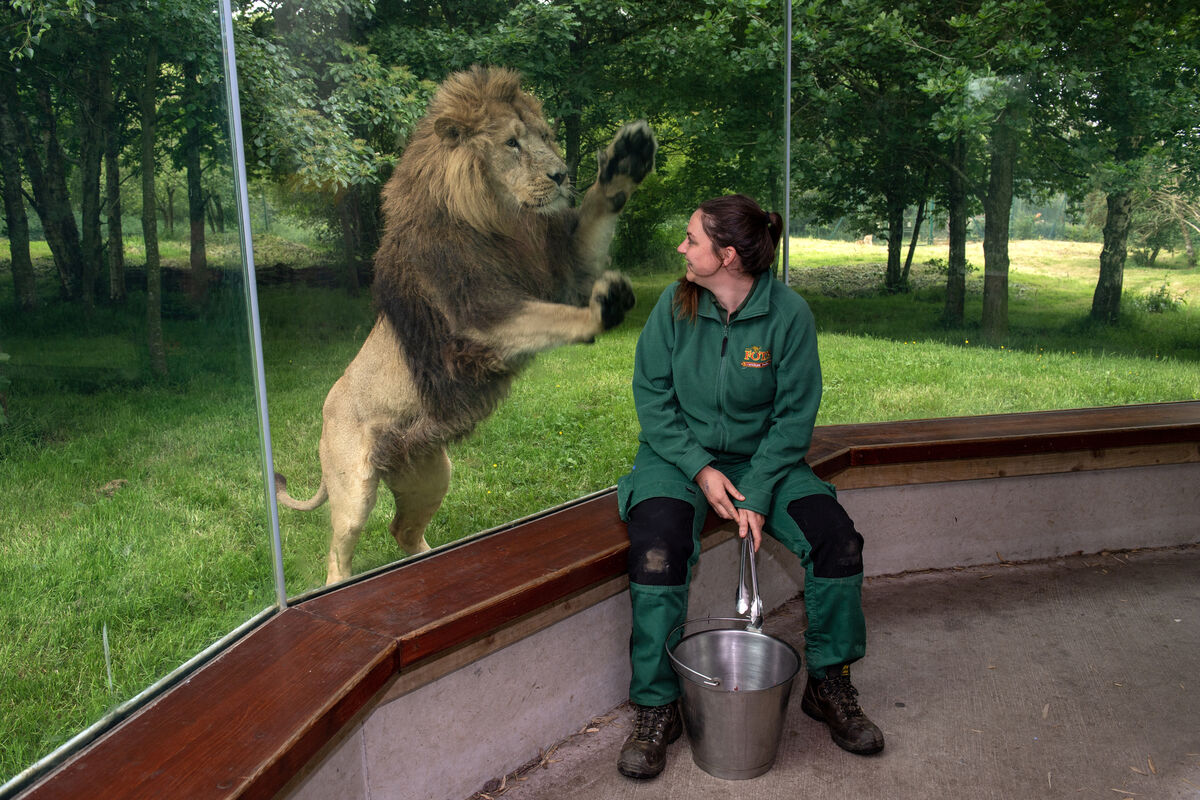
Jess Hodnett, a ranger at Fota Wildlife Park with the Carnivores, getting ready to feed six-year-old Yali, an Asiatic lion at Fota Wildlife Park. Picture Dan Linehan

SAFETY IS PARAMOUNT

Jess Hodnett has been a ranger at Fota Wildlife Park since 2012 and these days works with the carnivores and the birds. Earlier this month she featured on the front page of this newspaper in a photograph by Dan Linehan as she prepared to feed the majestic Asiatic lion, Yali. She describes the huge amount of meat provided each day for the carnivores, peaking with the male lions who devour 6kgs a day, all “top quality” and sourced locally.

For Jess, her work involves all aspects of animal husbandry, including a balancing act between promoting the natural predatory behaviours of the carnivores and also gently training them to facilitate medical care. She describes the former aspect as “enrichment — it’s not just a case of throwing food at them, but instead mimicking natural behaviours in the wild and encouraging that.

“There is the cheetah run that we do every day, that is really good for exercise and triggers natural predator drive, then we do train them as well, not anything major, just to come up and be comfortable so we can make an assessment [of their health and wellbeing].”

One media trope is the classic scare story of the lions escaping from the zoo. They will have none of that drama down in Fota, thanks. “With the big cats, touch wood, we have not had any mishaps,” Jess says. “We go through so much training to work with those guys, cat safety is paramount, we have protocols every single morning, checking our fences, and that is where the training comes in as well, so that they are familiar with you.”

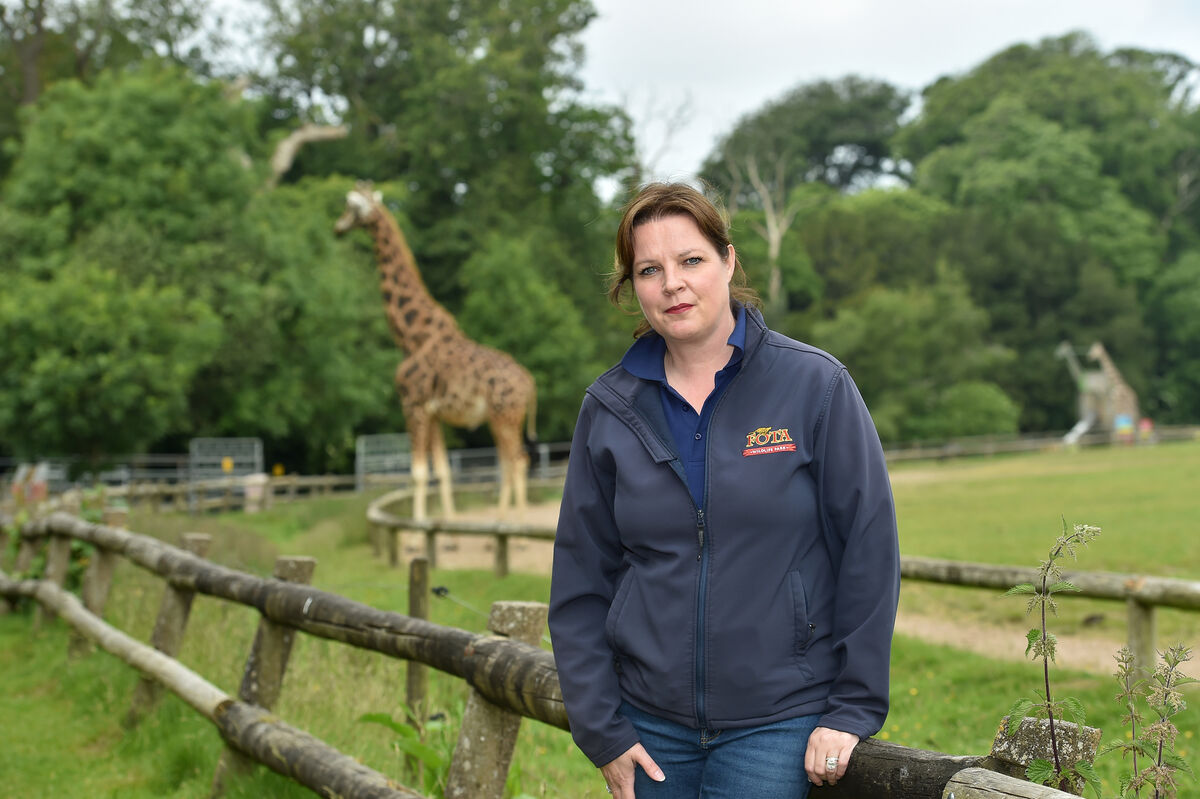
Lynda McSweeny, Head of Education at Fota Wildlife Park. Pic: Dan Linehan

EDUCATION

Lynda McSweeny has been head of education at Fota Wildlife Park since 1996. Watching her feeding a rhino or navigating her way through the crowds on a buggy, the connection she has with both animals and the public passing by is obvious and infectious. She says the current redevelopment of the Park, which will see upgrading of housing facilities for the giraffes and the opening of a 300-seater lecture hall, among other things, is a sign of how the park and people’s understanding of its importance are evolving, with wildlife parks like Fota have gone from gone from “being perceived as centres of entertainment to being centres of conservation and education”. 

She first arrived in Fota as an intern in 1995 and by early 1996 had secured the role she has had ever since. “Certainly for me as a zoology graduate, if you have an opportunity to be offered full-time employment somewhere progressive like Fota, you are extremely fortunate,” Lynda says. Like so many other staff, she has been around for quite a while. People clearly love working at the park, with Lynda describing a “nice, committed team”.

Educating visitors is fundamental, she believes. “The big thing is when Fota was established in 1983 its remit was a fun day out for visiting school groups. Now in the last 20, 30 years there is a recognition that we are instrumental, that visitors acknowledge that we are now a conservation centre.”

She says everyone is aware of the “doom and gloom” scenario when it comes to the natural world, particularly at a time of escalating climate change. but she adds: “You cannot enthuse or encourage people unless there is hope. It is our role and that of my generation to ensure that they are proactive in converting what they have learnt into action.”

This means workshops and programmes for visitors and also telling the success stories, such as Fota’s ongoing conservation efforts with Ireland’s corncrakes and natterjack toads, and its pivotal role in the successful rebreeding programme of European bison.

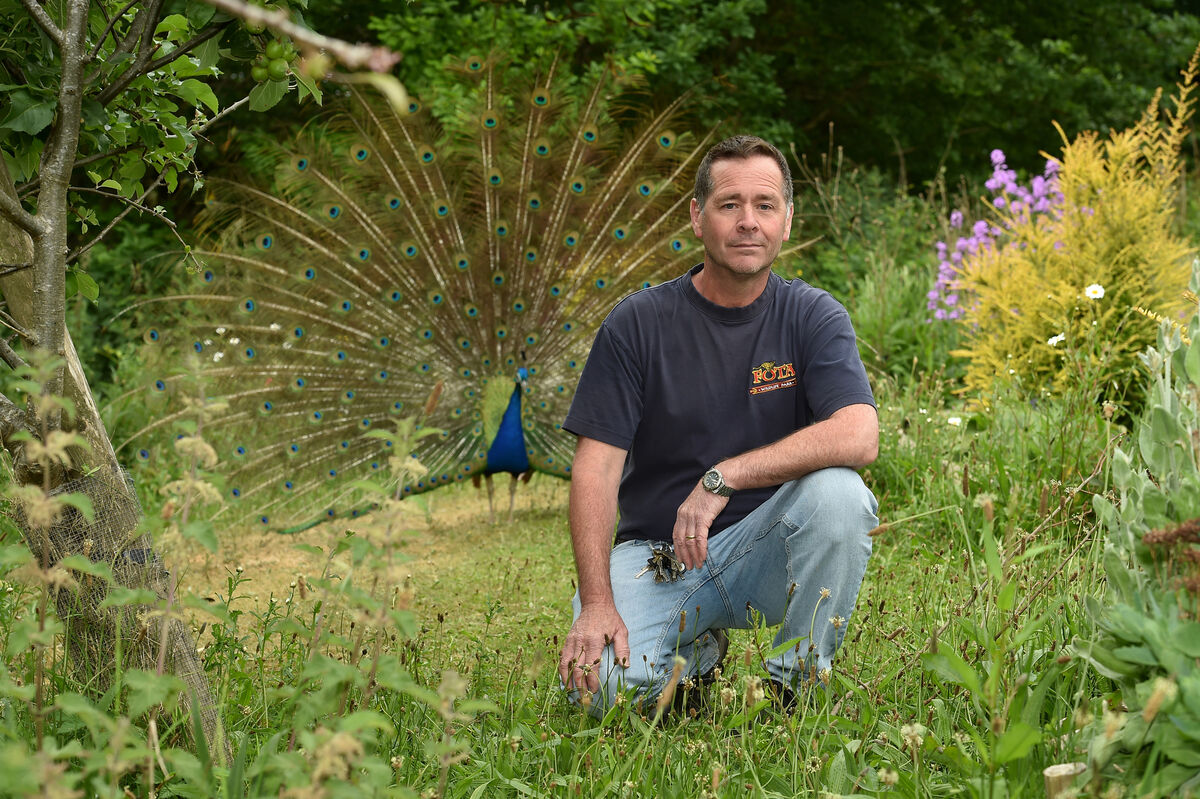
John McLaughlin has worked at Fota for almost 20 years and is currently involved with the Natterjack Toad and Corncrake Conservation Project at Fota Wildlife Park. Pic: Dan Linehan

ENDANGERED SPECIES

John McLaughlin has worked in Fota Wildlife Park for almost 20 years and is currently involved with the Natterjack Toad and Corncrake Conservation Project. It is clear that while he and others love the “flashier” animals such as the tigers, the conservation of species native to Ireland is fundamental to Fota’s work.

“The Natterjack Toad is on the red list of endangered animals and they are just hanging on,” John explains. “The corncrake, probably, is worse off realistically because their numbers have just plummeted, we are losing them from more areas, like the whole Shannon basin — there used to be strongholds there. The whole country would have had the corncrake, year after year it began to dwindle and then when people noticed they are not hearing them they say ‘oh, there is a problem’.”

Corncrakes are migratory, travelling to Africa every winter. One recent success for the Corkcrake LIFE project was the spotting — almost in the seconds before farm machinery did for them — of a nest of eggs in a meadow in Fanad in Donegal. The eggs were recovered and within hours were taken to Fota Wildlife to be incubated in their special facility. Not all survived, but most did, and the birds were later reintroduced back into the wild. According to John: “At least they have had the chance they wouldn’t have had had we not intervened.”

As for the natterjack toads, Fota’s head starter programmes has resulted in 7,000 toads being released back into natural habitats, following initial efforts to collect eggs and small tadpoles so they can be brought to the park’s special tanks, raising them to a point where they are strong enough to re-enter the wild. “We are getting it over the most difficult part in its life,” John says, adding that changes to climate are also having an impact here, with dryer months meaning a lowering of the water table which puts eggs spawning in smaller pools, where there are fewer predators, at increased risk of not surviving.

John’s father is from Co Donegal and his accent betrays his Canadian upbringing — he had worked in a zoo in British Colombia before coming to Ireland. He now sees conservation here as paramount. “When I was growing up conservation was only talked about in other parts not the world, about pandas and tigers, but now school-age kids, they would be more aware of how it is all connected, you see a lot more of it on television now.” He lists pearl mussels, crawfish, and many bird species as requiring urgent attention. “Over the next few years I think the focus is going to be inside Ireland, there is a lot out there that needs to be done.”

Sean McKeown, Director of Fota Wildlife Park. Pic: Dan Linehan

RECUPERATION

According to Sean McKeown, the need for parks like Fota is increasing, such is the imperilled state of so many species in their natural habitat. He recalls trips to Madagascar in 2018 and 2019 and the deprivation, the real endangerment to animals such as the lemur. “It is just pathetic that this is going on, a totally downward trend,” he states bluntly.

“Ideally we would like another 100 acres to have more species and reason being that the rate of extinction of animals in the wild is increasing and more and more species every day are under threat of extinction and need help.”

Conservation has never been more important, he feels, adding: “The kick that you get from that keeps you going.” As he puts it: “Nature has fantastic recuperation rate if it is left alone.”

There is a strong sense of a connection between the humans and the animals they care for. Lynda and Jess admit to having favourites — favourite species, favourite individuals — and of learning all about their individual quirks. And while many animals are born on the park each year, some do pass away.

According to Jess: “It’s very difficult — over time you learn that it [death] is all part of it, you have a certain level of attachment but also an awareness that they are not our pets, they do not belong to us. It is a very difficult part of the job, but as a team we all support each other.”

Lynda admits that she still misses a male asiatic lion that passed away a few years ago. “They have their own unique personalities,” she says, referring to “the playful ones, the shy ones...” But every day bring something new in a park that has come to play a pivotal role in animal conservation, from the wilds of the African plains to the toads down the road.

According to Lynda: “There isn’t a day you would come in and there isn’t something that would make you smile.”

  • For full details of the 40th anniversary celebrations see fotawildlife.ie

x

More in this section

Lifestyle

Newsletter

Eat better, live well and stay inspired with the Irish Examiner’s food, health, entertainment, travel and lifestyle coverage. Delivered to your inbox every Friday morning.

Cookie Policy Privacy Policy Brand Safety FAQ Help Contact Us Terms and Conditions

© Examiner Echo Group Limited