Uisce Éireann says it would cost €500m to replace Cork City water pipes causing discolouration
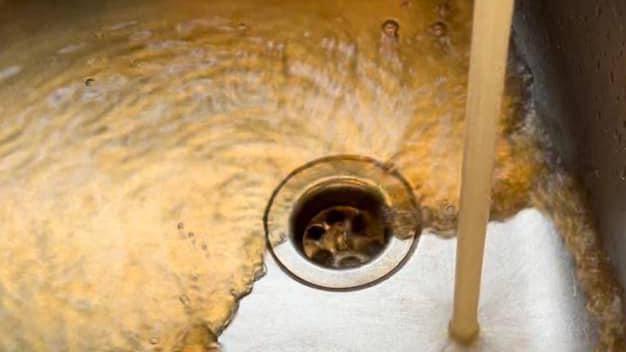
Complaints from the public about the discolouration in Cork's water supply have increased 10-fold at times.
There is still no end in sight to the discolouration problem affecting Cork’s domestic water supply, which has seen complaints from the public increase 10-fold at times.
Uisce Éireann has accepted the discolouration is generally caused by excess manganese from the inside of the city's old cast-iron water mains, but it also told city councillors an investment of least €500m would be required to fully replace those pipes, some of which are over 100 years old.
About 54% of the city’s water pipes are cast iron, and are between 65 and 100 years old.
The details emerged during a two-hour meeting between Uisce Éireann and Cork City Council’s environment, water and amenity strategic policy committee, during which councillors grilled the utility on the causes of discolouration, the health impacts, and what the utility is doing to prevent it.
The discolouration problems first emerged following the commissioning of the new €40m water treatment plant on the Lee Road in July 2022.
Uisce Éireann normally gets between 10 and 20 complaints a week in Cork City about discolouration of the water but it told councillors it had identified three separate phases of major spikes in complaints since the plant came on stream.
The first phase between August and September 2022 saw weekly complaints peak at 119 that August.
The second phase between November 2022 and the following February saw a peak of 86 complaints in one week in late November, with the third phase between last September and October seeing 121 complaints about discoloured water received on one week in early October.
The first spike affected the southside mainly following a change to the chemical process used to treat the water, which weakened the lining of the cast-iron pipes. Uisce Éireann investigated and adjusted the water chemistry to minimise this effect.
The complaints during the second phase were associated with sediment build-up in pipes and the frequency of works on the network.
The system was flushed in affected areas, and work was deferred or spaced out, and stopped completely from mid-December to allow the network time to recover.
The complaints in phase three were linked to increased pumping velocities to the city’s northside reservoirs, with changes again made to reduce the impact.
Discolouration complaints have been trending downwards since October, councillors were told.
But Green Party councillor Oliver Moran, said he was concerned the utility had yet to issue a boil-water notice as a result of the discolouration.
Uisce Éireann said the allowable limit for manganese is 50µg/L but it said it did not routinely test the quantity of manganese at customers’ taps.
Mr Moran said the water may be safe when it leaves the treatment plant, but it is not safe to drink when it is discoloured.
“And that's the very problem that people have,” he said.
“I wanted to know if there was any end in sight and it doesn't sound like there is.
"People are exhausted from reporting, they've bought their own filtration systems, they're buying bottled water.”

CONNECT WITH US TODAY



Be the first to know the latest news and updates