'You'd need a Euromillions win': Ardmore locals priced out of having their own homes
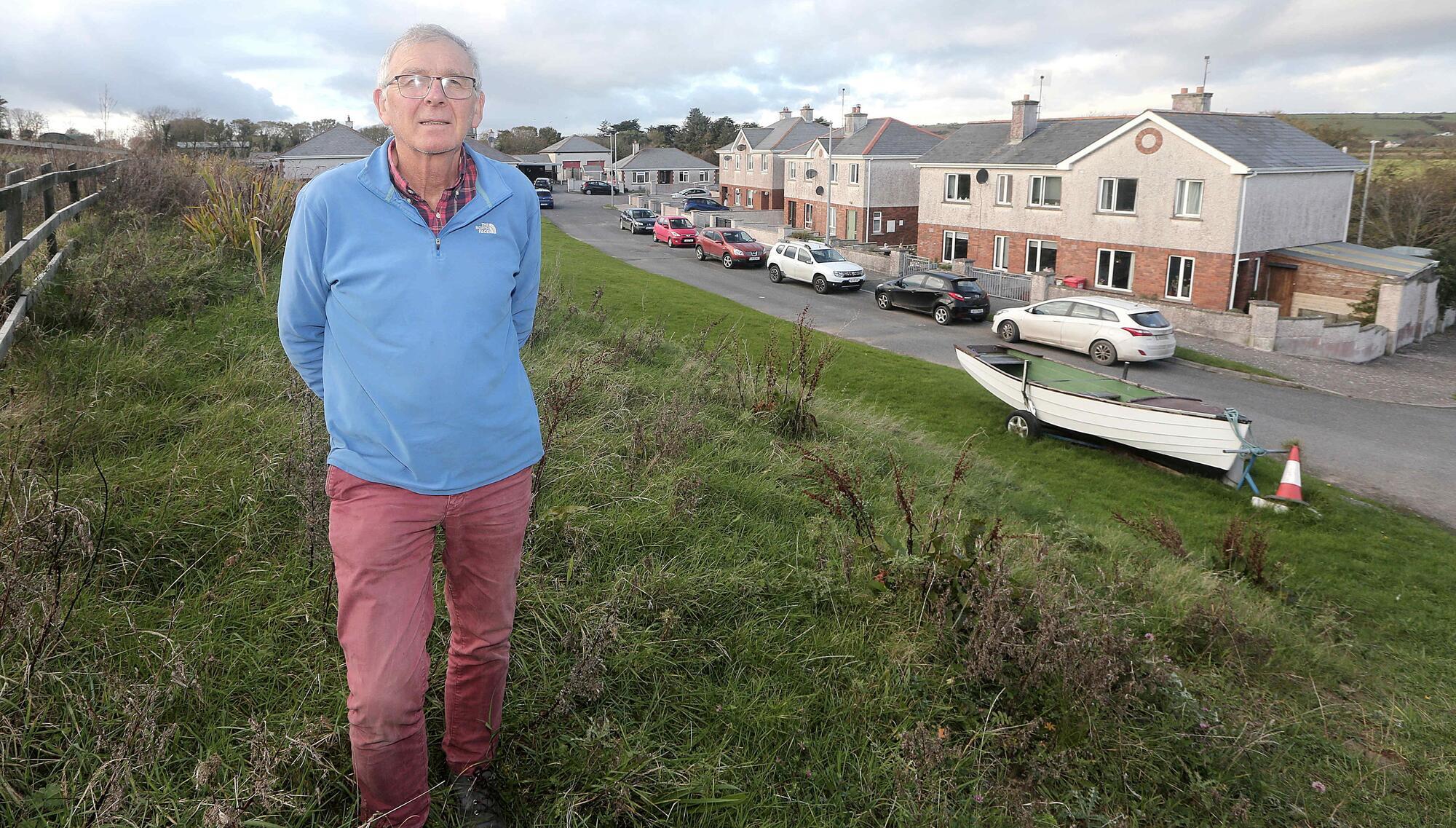
Dick Lincoln, Coordinator of Ardmore and Grange Housing Study Group, pictured outside the last council estate, which was built in Ardmore in 2002 by Waterford County Council. Picture: John Hennessy
The meeting wasn’t long underway before pent-up emotions began to spill out. Over 150 local people in Ardmore had gathered on an autumn evening in St Declan’s Hall to hear about a new investment initiative from Waterford City and County Council. But once a suspended plan to build new houses in the popular tourist village was mentioned, all else faded into the background.
Without proper investment in housing, the meeting was repeatedly told, “the local population will diminish to the point that Ardmore will become no more than a notch on a tourist map and a seasonal attraction,” reporter Christy Parker wrote of the gathering in the village.
“The perception of suppressed emotions being released continued unabated as speakers voiced their concerns from the floor,” Parker reported.
These included a retired school principal Bernadette Keevers, who spoke of a “generation gone” with just “three children between the top of the village street to the hotel” attending the local primary school now. A teacher, she said, was likely to be lost from the school next year due to falling numbers.
The chair of the local GAA club Nicky Keating described how difficult it was becoming to field teams and how a detailed strategic plan for the club was all but redundant unless there were new young arrivals coming on stream. In 2008, the St Declan’s club supplied three players to the senior Waterford team which reached the All-Ireland final. Today the club has a junior status.
The theme running through the meeting continued to be that Ardmore was in serious decline as a community while it has grown more popular as a tourist hub. One middle-aged woman grew emotional as she “pleaded desperately for housing so that her daughter and grandchildren” could return to the village.
Ardmore is not an outlier. Right around parts of the south and west coast in particular there are towns and villages where local people can no longer afford to live. Increased wealth among sections of society has seen a hike in the prevalence of second or summer homes. The 2022 census reported that there were 66,000 vacant homes in the state, most of these being second homes which are active but occupied for short periods of the calendar year. That is the natural order in a wealthy society, with those who can afford it retreating from the cities or large towns to catch a break in their second residence when possible.
Benefits do accrue to these attractive tourist hubs. Money is brought into the town and pumped around the local economy. But as these destinations grow more popular, the market for homes in the area comes to be dominated by out-of-towners. In the off-season these homes are left empty, rendering large tracts of the community as dark and quiet while the full-time occupants try to maintain a community. Such a scenario would be manageable if it was possible for those, particularly but not exclusively natives, who want to live there year-round. Competing with wealthy interests in the housing market makes that simply unobtainable.
The conundrum for places like Ardmore is not part of the narrative of the decline of rural Ireland. The village is perfectly located as a commuter hub for bustling Dungarvan. Some within the wider area commute as far as Little Island in Cork and to Waterford city. The problem is not one of flight from the periphery, but exclusion of those wishing to make it their primary residence.
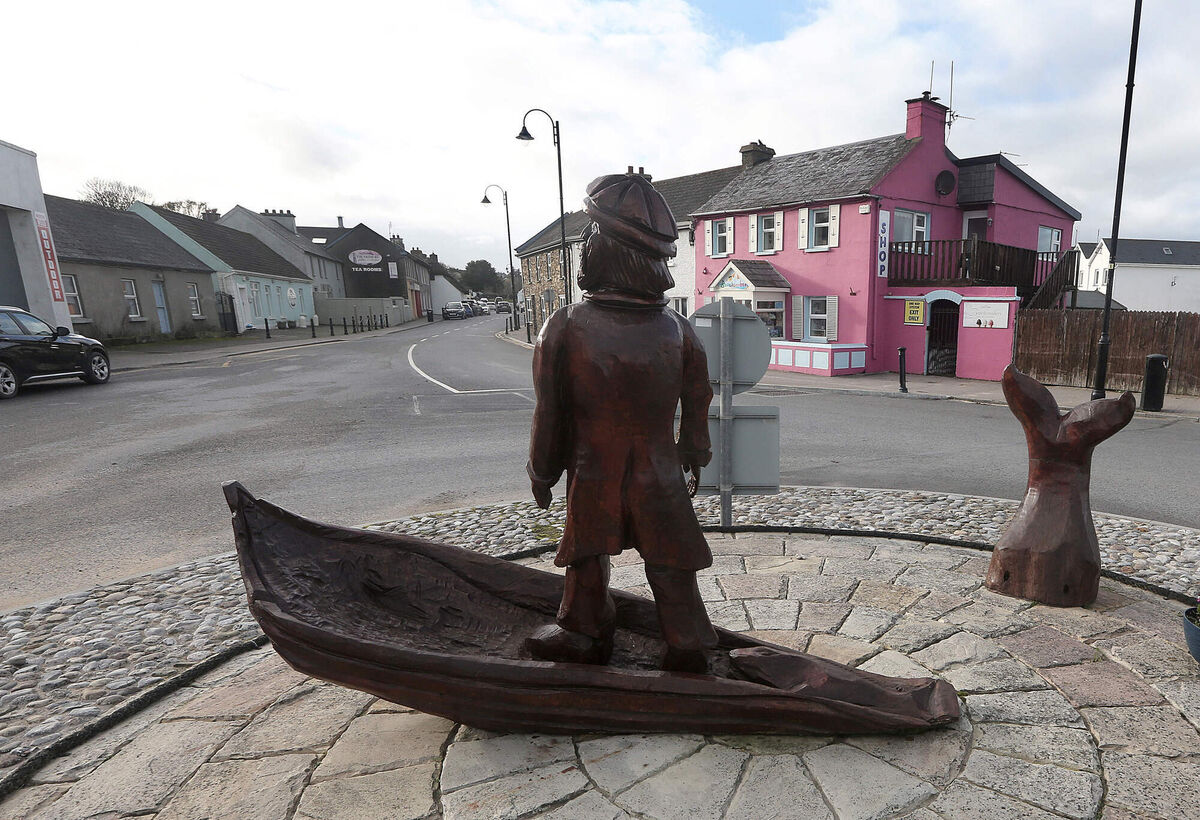
“The only building here for years has been for holiday homes and that’s why there was outrage at that meeting,” says local man Dick Lincoln.
Waiting for winter to blow into the bay in which Ardmore nestles, the place does look dead. It’s a complete contrast from the summer when one of the big issues is parking. A day of sunshine will see people flock and throng to the big expanse of a white beach that looks out on the bay. Two of the holiday home developments, just minutes from the shore, have barriers across their entrances. This is to keep out the day trippers. The barriers are incongruous in a small village but needs must. On a day of autumn showers, the developments look to have closed up until next year when the evenings will once more be a long stretch in the evenings. Of the three pubs in the town, only one opens at this time of year. The local convenience store closes at 2pm, six hours earlier than in the summer.
There is symbolism in small things. As holiday home developments were built on the outskirts of the village, the council extended a footpath out the main entrance road. The footpath, however, didn’t make it as far as St Declan’s GAA club, which is less than a mile from the beachfront. It was as if the club, a fast-sticking glue for the community, was an afterthought to catering for seasonal dwellers.
The frustration at the decline of the community in the face of market forces prompted one local 19-year-old Jamie Bryan to write a passionate letter to the local .
“My family come from Ardmore and we have been here as far back as anyone can remember. My generation — my siblings, my cousins, my friends — none of us can afford to live in Ardmore. There is nothing to rent and we would need to win the Euromillions to be able to buy something here. There is also no hope for those on the council list. The last council house built in the village was back in the early 2000s.
"In other cases families living on top of each other in their parents' home, overcrowded, while more than half the houses in the town are empty. Most of my generation would like to live here, would like to raise families here, give back to our community, and grow old in the place we grew up. Our village is dying before our eyes.”
Arresting the decline is not impossible, but those who are attempting to do so in Ardmore claim that the state is standing aback to exclusively accommodate market forces. In 2017, a group of local people came together to see what could be done. The Ardmore–Grange Housing Study Group was set up. Grange is a neighbouring village which combines with Ardmore to make up the local parish. They conducted a survey that showed of the 403 accommodation units in the parish — including houses and apartments — 45% were holiday homes. Six years later, the situation is even more imbalanced with 60% of units now accounting for the holiday home component.
“Any new houses that were built in recent years were effectively being used as holiday homes,” says Dick Lincoln, who chairs the study group. “One of the new schemes of holiday homes down near the beach was actually built on land sold off by the council and further accommodated by the council handing over to them part of the public car park.”
Whatever about the private market, Lincoln and his fellow residents felt that the social housing element of the community needed urgent attention. The last local authority housing scheme to be built was in 2002. Once the group formed, they contacted Waterford City and County Council (WCCC) expressing their alarm at what was developing locally. The response was to ask them to conduct a survey which they did, producing the figures quoted above.
A public meeting was then held, attended by a large crowd of locals, councillors, and Hugh Brennan, the CEO of O Cualann, the approved housing body. The plan was to build on a site at the edge of the village, owned by the council. O Cualann agreed to get involved.
“We were approached by Dick Lincoln and the group because they heard of the work we were doing in Dublin,” Hugh Brennan says. “Our mission is to provide mixed-income affordable housing in sustainable communities. We came on board and got things moving.”
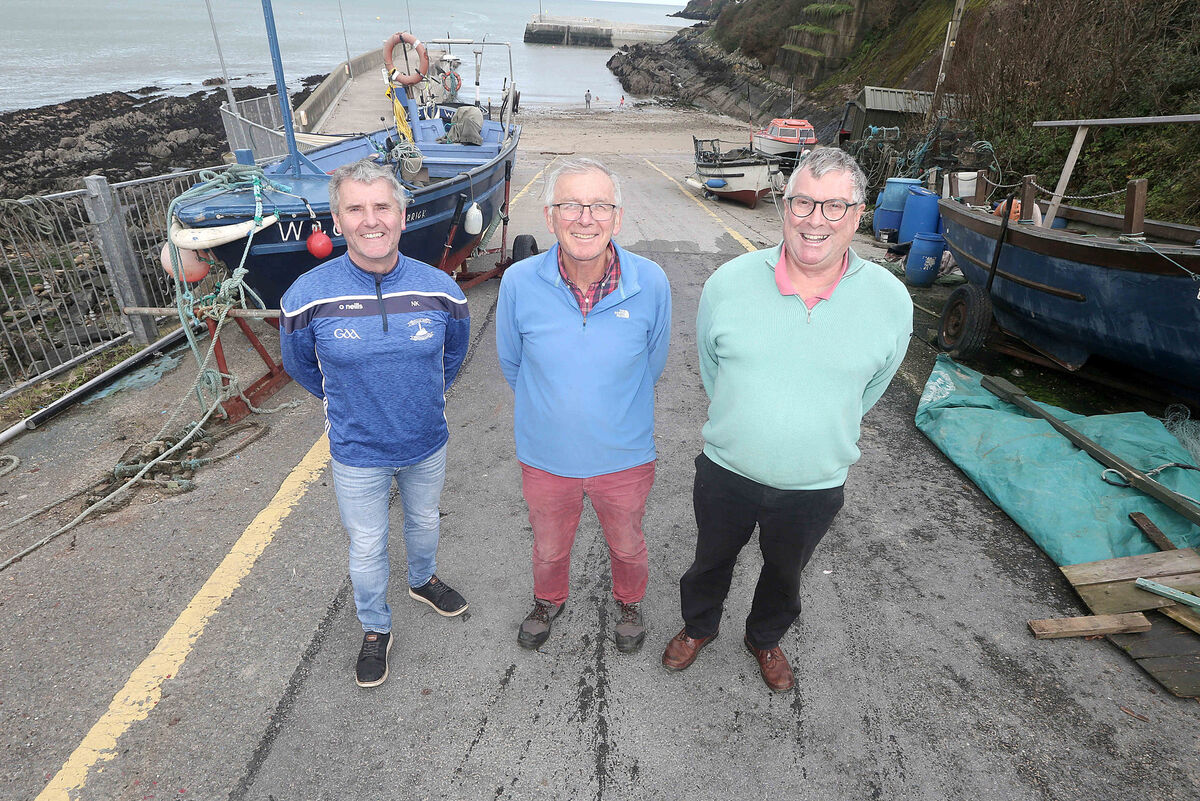
Seed funding of €30,000 to pay for surveys and architects for the development was raised through a philanthropy body. There were hitches along the way, most prominently an issue over the supply of water. The group made a deal with the developer of an adjoining holiday homes scheme to have access to the water supply. At the end of the process, planning permission was applied for 31 social and affordable houses.
A scheme such as this could be the beginning of a new injection of blood into the community. Nicky Keating, the chair of St Declan’s GAA club, sees huge advantages in this kind of rejuvenation. “At the club, we’ve had a huge drop in numbers, as they have in the school. But one house in the village could put two kids into the school and with a bit of luck they might get involved with us as well. How many kids could you have with ten houses? Thirty? That would make a huge difference to our community, especially when in the private market you have many first-time buyers having to compete with holiday homeowners.”
Despite all the efforts, the funding from the Department of Housing was not forthcoming. “Abnormalities” on the site, including knotweed and the requirement for a retention wall hiked up the cost and the beancounters in central government deemed it too expensive. WCCC felt it could not go ahead. In the end, the local authority decided to retake possession of the site and develop it itself rather than through the AHB.
Hugh Brennan said that O Cualann was disappointed as a result of the effort that had been put in, but the main priority is that the houses get built. “We did everything we could to deliver an affordable project,” he says. “We’re now in negotiations to get our costs back and we’re happy for the local authority to go ahead and do it themselves if they think they can do it cheaper but I don’t think they will.
A spokesperson for WCCC said that when the department decided that the development wouldn’t qualify for funding, the council withdrew from the agreement with O Cualann and intends to develop the site itself. “The council is preparing to tender for the construction of the housing units,” the spokesperson said. “There is currently no timeline for the completion of the units as this will be dependent on the outcome of the tendering process.”
Dick Lincoln says that had the O Cualann proposal got the nod, work was scheduled to begin on the site this month. Now it has been put on the long finger once more and the community must endure another wait.
While getting social and affordable housing started has been a slow train coming, the problem remains about what can be done to allow prospective full-time residents buy homes and join the community. Dick Lincoln believes that two measures in particular could make a big difference in this respect.
“You could identify development pressure zones such as Ardmore and the council should then not accept any residential planning applications in these areas unless it is from people who will be occupying it as their principal private residence,” he says.
“You could also use the Finance Act to abolish capital gains tax on the sale of a holiday home if it is sold to somebody buying as a principal private residence. That would automatically give locals or somebody who wants to live here the chance to bid higher.”
Such measures may be controversial and would require policing by a local authority, but they are doable. Conditions have been attached to planning applications in Gealteachts and for one-off housing and if there is recognition that special measures are required in tourist hotspots there is no reason why the same can’t apply.
In the meantime, communities like Ardmore are making the effort to ensure their settlement does not become the sole preserve of those who holiday at the expense of locals who want to live there.

CONNECT WITH US TODAY



Be the first to know the latest news and updates