RTÉ Cork workers protest: 'We’re disgusted. We feel the culture has to change'
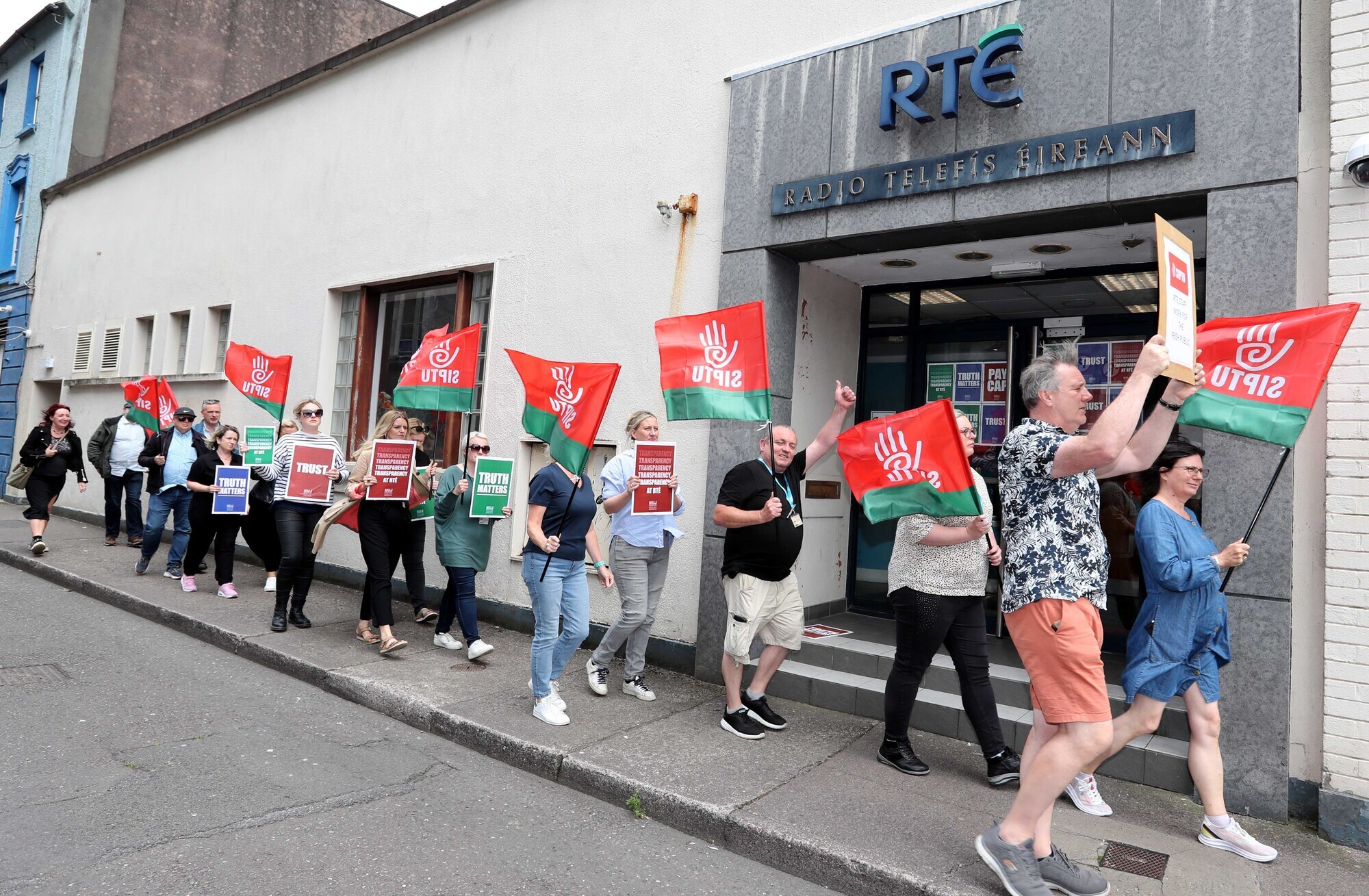
RTÉ staff protest outside the RTÉ studios on Father Mathew Street, Cork. Picture: Jim Coughlan
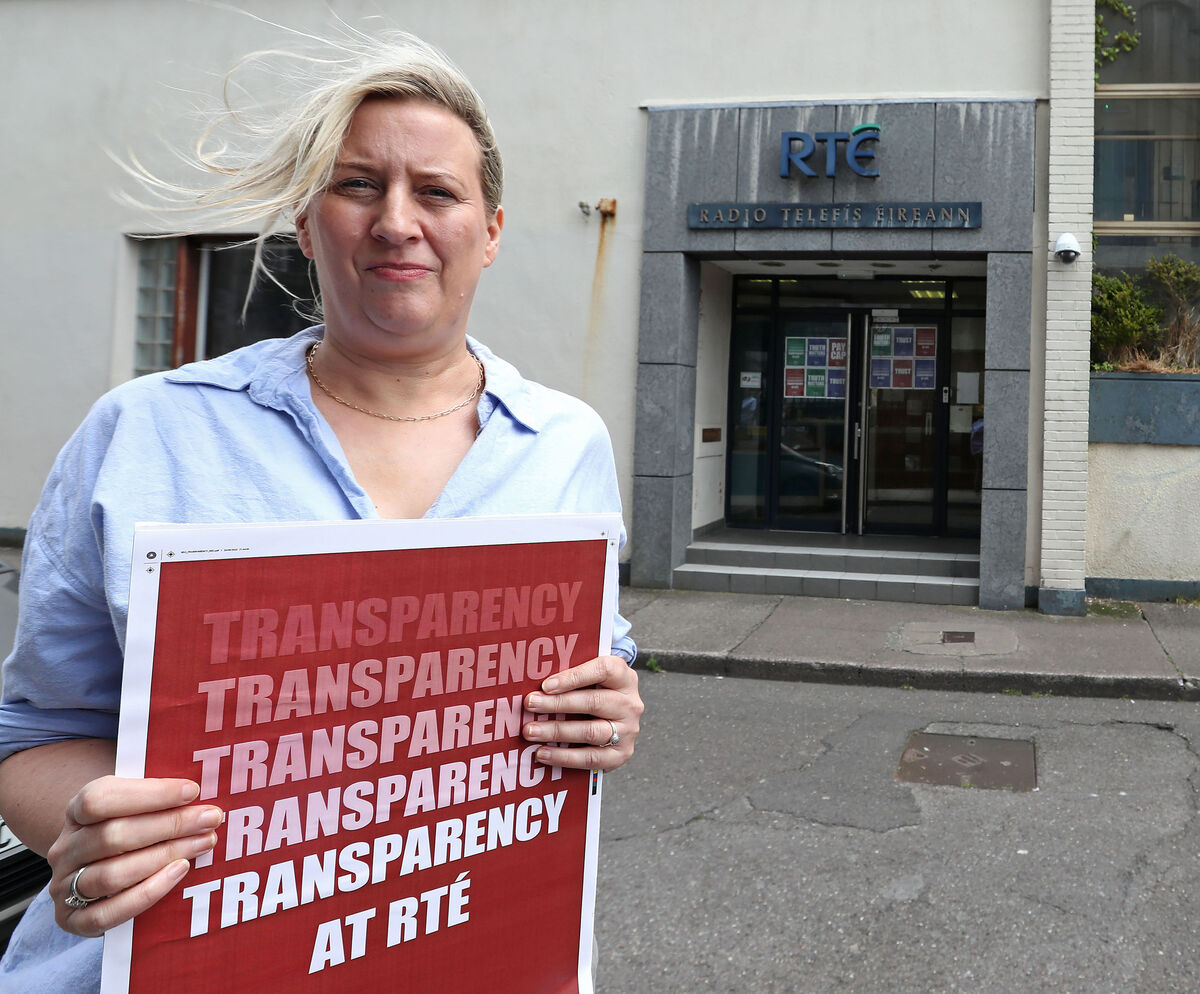
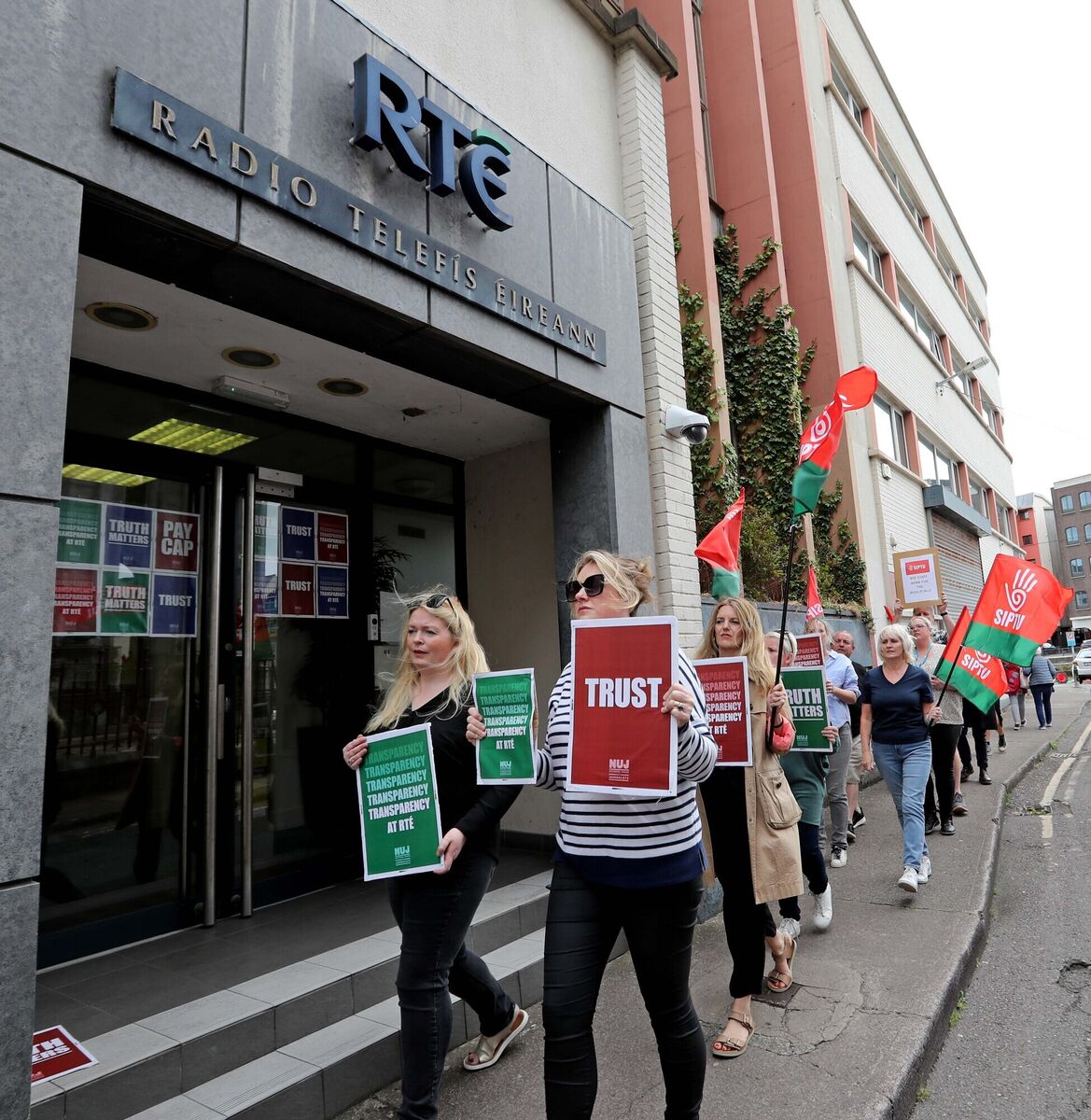
Angry staff have marched outside RTÉ studios across the country in solidarity with the public and in protest at the secret payments scandal.
They called for transparency and for former director general Dee Forbes to face the Oireachtas media committee, although it was then announced she would not attend due to ill health.
The controversy of presenter Ryan Tubridy being paid €345,000 more than publicly declared over a number of years has rocked the State broadcaster in recent days.
The extra payments to RTÉ’s highest-paid presenter came at a time of major cutbacks, with lower-paid workers battling pay cuts and insecure contracts.
Deirdre Ní Mháirtin, producer with RTÉ and National Union of Journalists member, said staff were angry and disappointed by the scandal and the way it has been handled by management.
“We’re here to stand in solidarity with the public and to stand for what public broadcasting means,” she said outside the Cork studios.
“There’s a very big gap between management and RTÉ staff and that has to be looked at. We want accountability and we want it now. We don’t want any excuses.”
At the Dublin headquarters, where more than 100 workers protested, RTÉ News crime correspondent Paul Reynolds said he was concerned about the "breach of trust" between management and staff.
"There's a phrase bandied around in here: 'We are one RTÉ'," he said.
"And we can see now we haven't been one RTÉ because everyone hasn't been working together, different people have different agendas.
"The trust that people had in here for senior people has been lost."
RTÉ News political correspondent Paul Cunningham said there was "a cloud hanging over the organisation".
Some 30 RTÉ employees, members of both the NUJ and Siptu unions, marched outside the Cork studios.
Gerry Reynolds, journalist and producer, said:
“That’s unfair, and brings into question the values of RTÉ.”
While other people may take the credit, the spotlight, and the accolades, regular RTÉ employees are the people who do the work, who built the organisation and who make sure that broadcasting is carried out 24 hours a day, Mr Reynolds said.
“The people here had no knowledge, hand, act or part in this [deal] and they have to watch as the organisation that they built called into question.”
He questioned whether the current culture of handing out “vast chunks of public space and of public money” to key individuals and calling “vast chunks of the daily airwaves after named individuals” was the right avenue to pursue in public broadcasting.
“That’s the culture debate. Do you want to be handing out one-third of a million euros to someone who presents a programme while these people here, some of them, are on one-tenth of what they make?”
CONNECT WITH US TODAY



Be the first to know the latest news and updates