Project aims to find out where 'fascinating' Irish cuckoos spend winter months
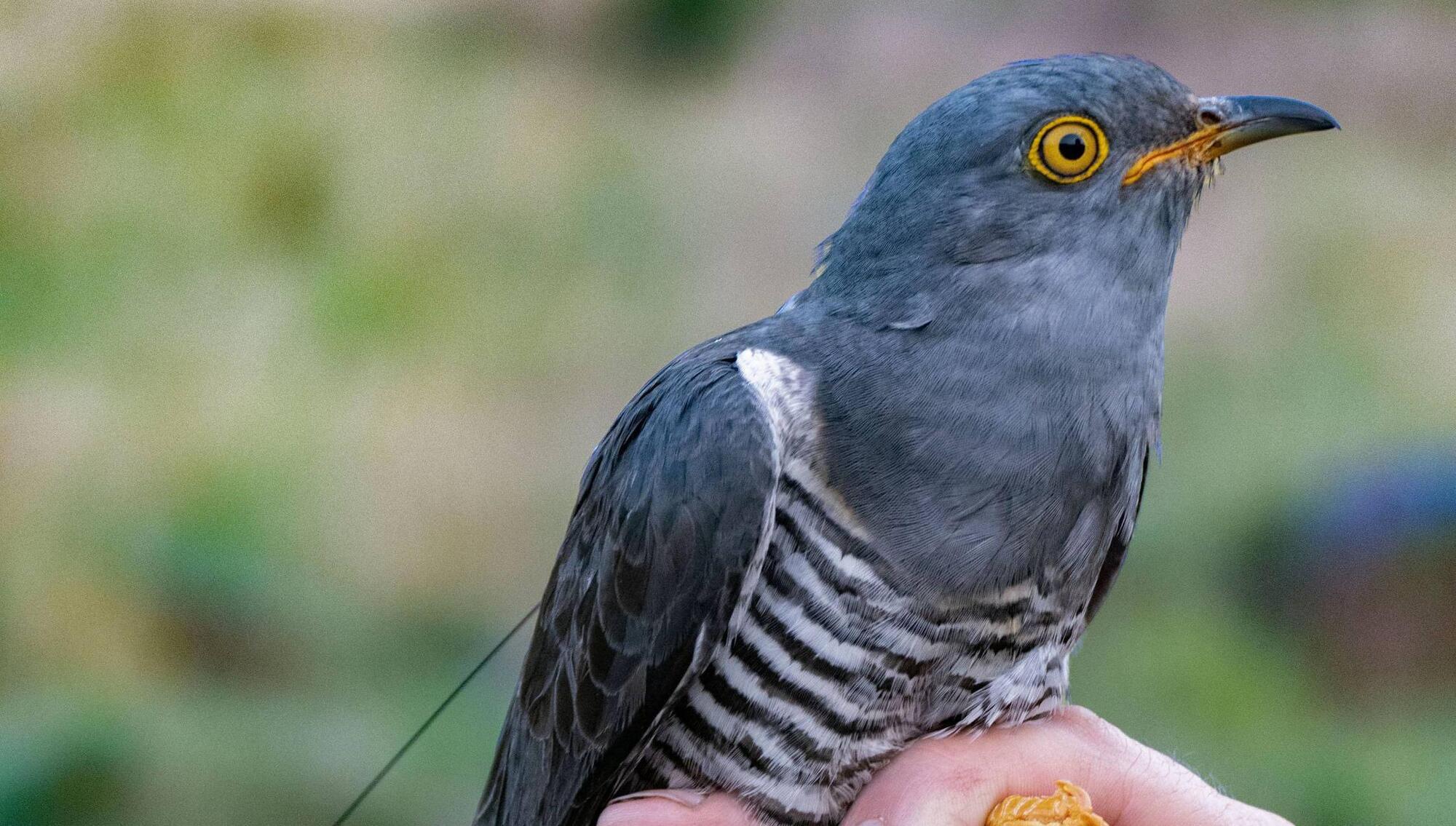
Arriving in late April, and laying their eggs in small birds nests, very little is known about the routes the cuckoos take once they head off on migration in July or where in central Africa they spend the winter months. Picture: Valerie O’Sullivan
A cross-channel tracking project has begun to help understand the mysterious journey of the Irish cuckoo — as well as his apparent decline and shift towards the west of Ireland.
The British Trust for Ornithology (BTO), has this year included four Irish cuckoos in its long-running cuckoo satellite tracking project. The BTO is collaborating with the National Parks and Wildlife Service (NPWS) on the project.
Three of the four Irish cuckoos fitted with tags on May 17 are from Killarney National Park and one was caught in the Burren. Fine mist nets were used to catch the cuckoos before the sun came up. Over the past decade, the BTO has followed 100 British cuckoos.
The project aims to find out where Irish cuckoos spend their winter months and whether Irish cuckoos undertake a different migration strategy to their British counterparts.
English cuckoos migrate via Spain while Scottish cuckoos migrate via Italy, the BTO cuckoo project has already established.
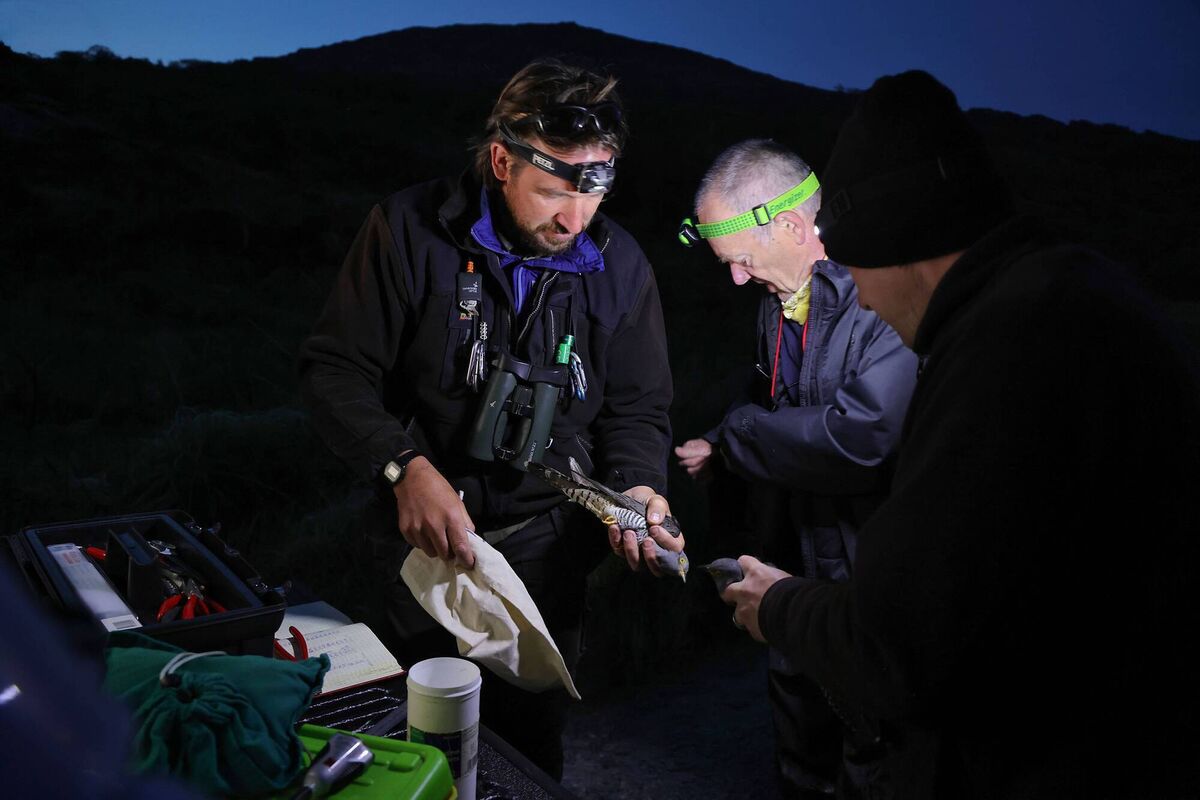
Minister of State for Heritage Malcolm Noonan said the project ushers in "a new era for bird monitoring" in Ireland.
“Cuckoos are fascinating creatures and the Irish population’s migration patterns are something of a mystery, so it will be very exciting to see the results of this innovative project over time,’ Mr Noonan said.
Lead scientist with the BTO cuckoo project Chris Hewson said the Irish cuckoo was "at the western extremity of the species breeding range" and this made understanding its migration especially exciting.
In Ireland, the cuckoo has displayed a population shift northwards and westwards, similar to a number of other migrants that winter in Africa’s humid regions, according to the NPWS. There has also been an overall decline in cuckoo numbers here, with breeding numbers down 27% between 1968 and 2011 when the last breeding census was completed.
However, there is little known about the potential causes and drivers of these declines.
Arriving in late April, and laying their eggs in small birds nests, very little is known about the routes the cuckoos take once they head off on migration in July or where in central Africa they spend the winter months. The BTO believes at least some of the cuckoos’ decline in the UK may be linked to their migration routes — with higher mortalities for cuckoos migrating via Spain than Italy.
"If these areas of importance could be identified, then scientists would be able to better understand habitat pressures that affect losses of the cuckoo population," the NPWS said.
The four Irish cuckoos — all male singing cuckoos — named Torc, Cores, KP and Carran, can be followed on the BTO website and also at a new cuckoo page on the Killarney National Park website.
CONNECT WITH US TODAY



Be the first to know the latest news and updates