Controlled burning of vegetation 'poses a significant risk to life, property, and biodiversity'
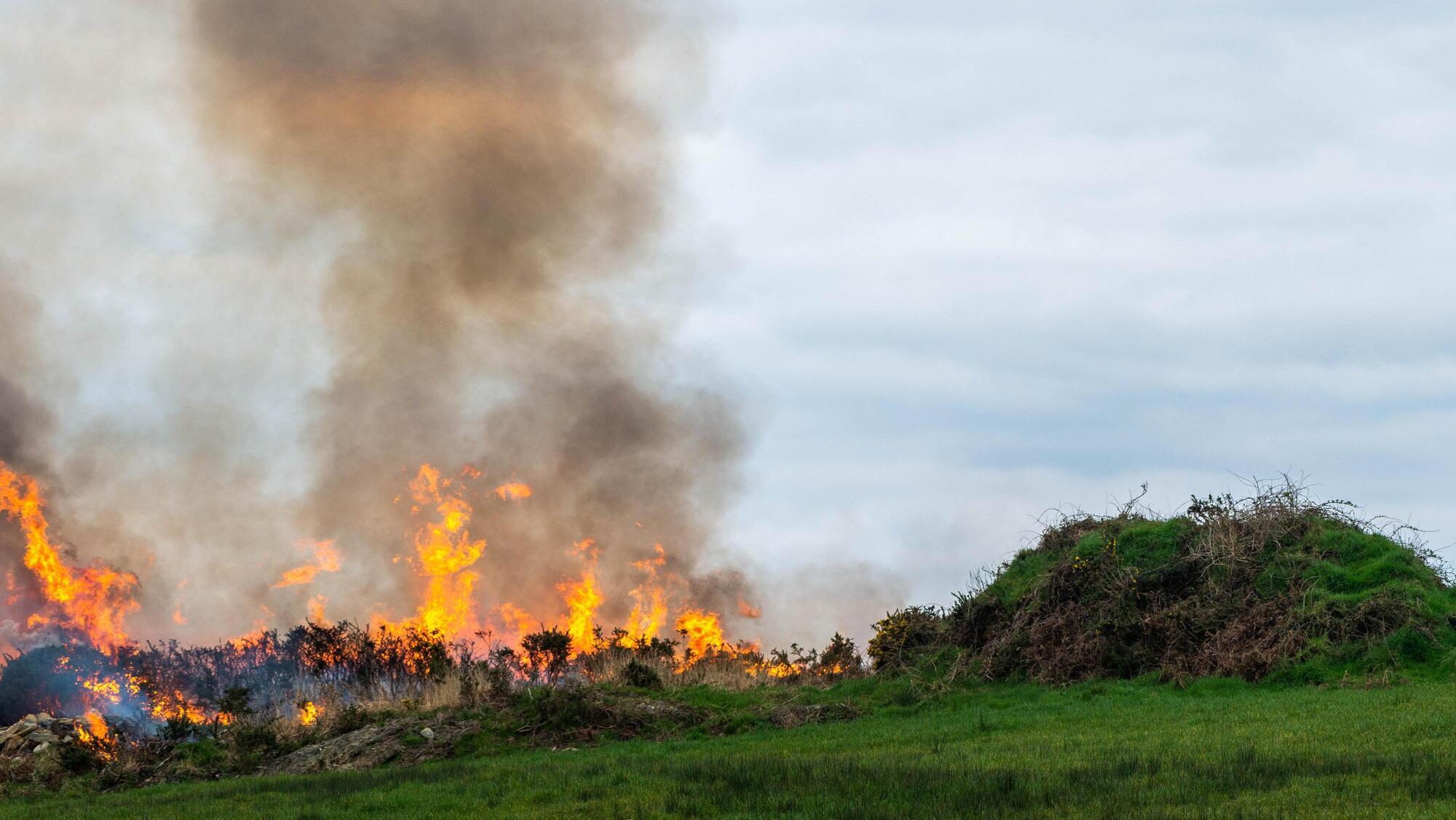
A gorse fire in Ballylickey, West Cork, on Tuesday. From March 1 to September 1, it is illegal to burn vegetation. Picture: Andy Gibson
Use of controlled burning to manage vegetation "poses a significant risk to life, property, and biodiversity", the country's Climate Change Advisory Council (CCAC) has warned.
Following a weekend of gorse fires that threatened large swathes of the likes of West Cork and Kerry, there has been palpable anger in rural communities about the unforeseen impact of so-called controlled burning.
The CCAC, an independent advisory body set up under the 2015 Climate Act to advise on Ireland making the transition to a low carbon economy by 2050, said the use of controlled fire "is not recommended best practice in most circumstances".
"Although not the only cause of wildfires, the use of controlled fire to manage vegetation creates a substantial risk of accidental propagation of fire into adjacent lands, particularly forest and peatland areas. It also poses a significant risk to life, property, and biodiversity," said the CCAC.
Farmers need to be included in policymaking to move away from the practice, it added.
"A high proportion of Ireland's forest land is in private ownership, and this is largely ownership within the farming community.
"Management across all vegetation and land uses must be sensitive to the risk of others in the community, and when properly planned and managed will mitigate against wildfire, increase resilience and can be highly cost-effective."
Widespread fires impact on Ireland’s carbon emissions, with fires throughout the country in 2017 leading to reported emissions of 1.9m tonnes of carbon dioxide, the CCAC warned.
Maynooth University professor of geography (climate change), Peter Thorne, said "habitual burning of the land is the very worst thing that can be done from an environmental perspective".
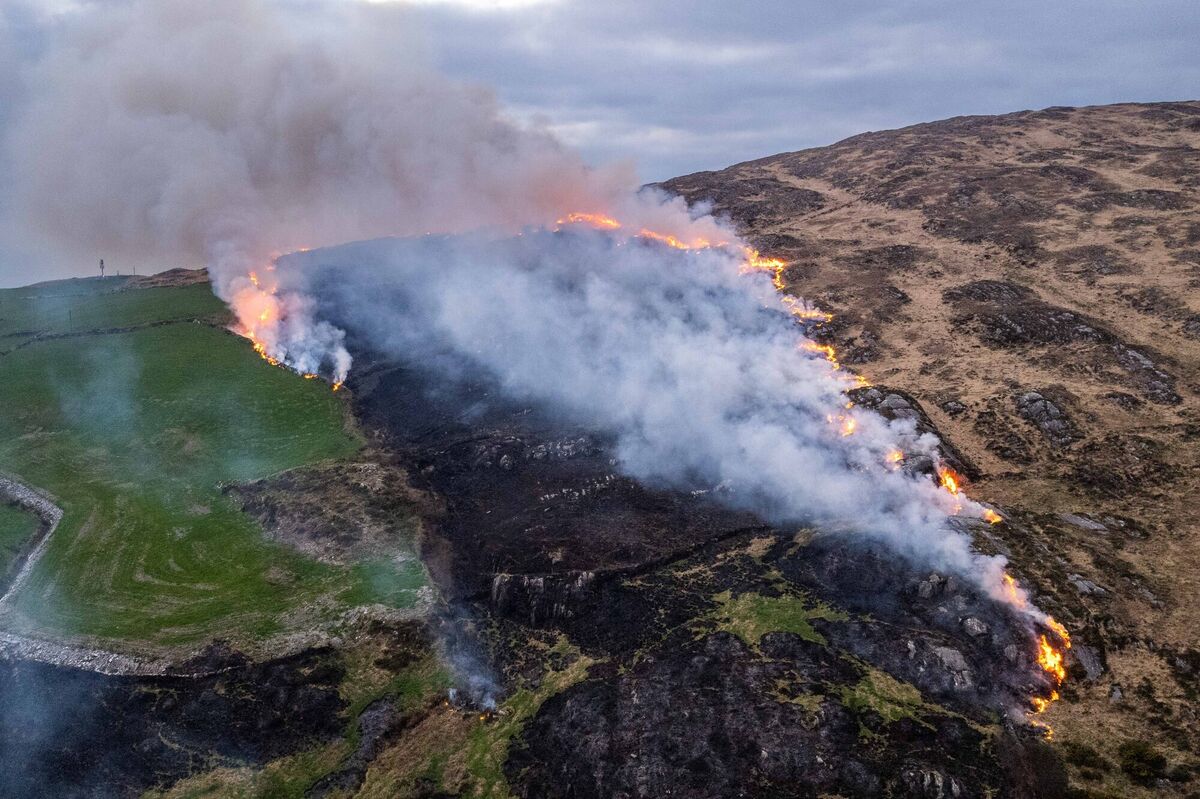
"Much of that upland area is upland peat bogs, that’s massive carbon stores gained over thousands of years that we are willingly letting into the atmosphere. I shudder to think how many tonnes of C02 would have been emitted. It’s something you see across Ireland and the UK, environmentally it is hugely damaging.
"I don’t think the answer is to relax the banning season — the answer if anything is to restrict it even more and phase it out entirely," he said.
However, farmers and landowners need incentivising to change practices rather than being penalised, he said.
Just transition is the term used to describe making sure employment opportunities and societal benefits are present for those who may live and work in communities tied to legacy industries, such as coal mining and peat extraction.
Agriculture Minister Charlie McConalogue said "the farming community has a central role to play in the control of fire in our landscapes through the management of land" but warned landowners and members of the public not to carry out any illegal burning of land during spring and summer.
Read More
CONNECT WITH US TODAY



Be the first to know the latest news and updates