Fire on River Suir passenger ferry hours after fuel-leak repair
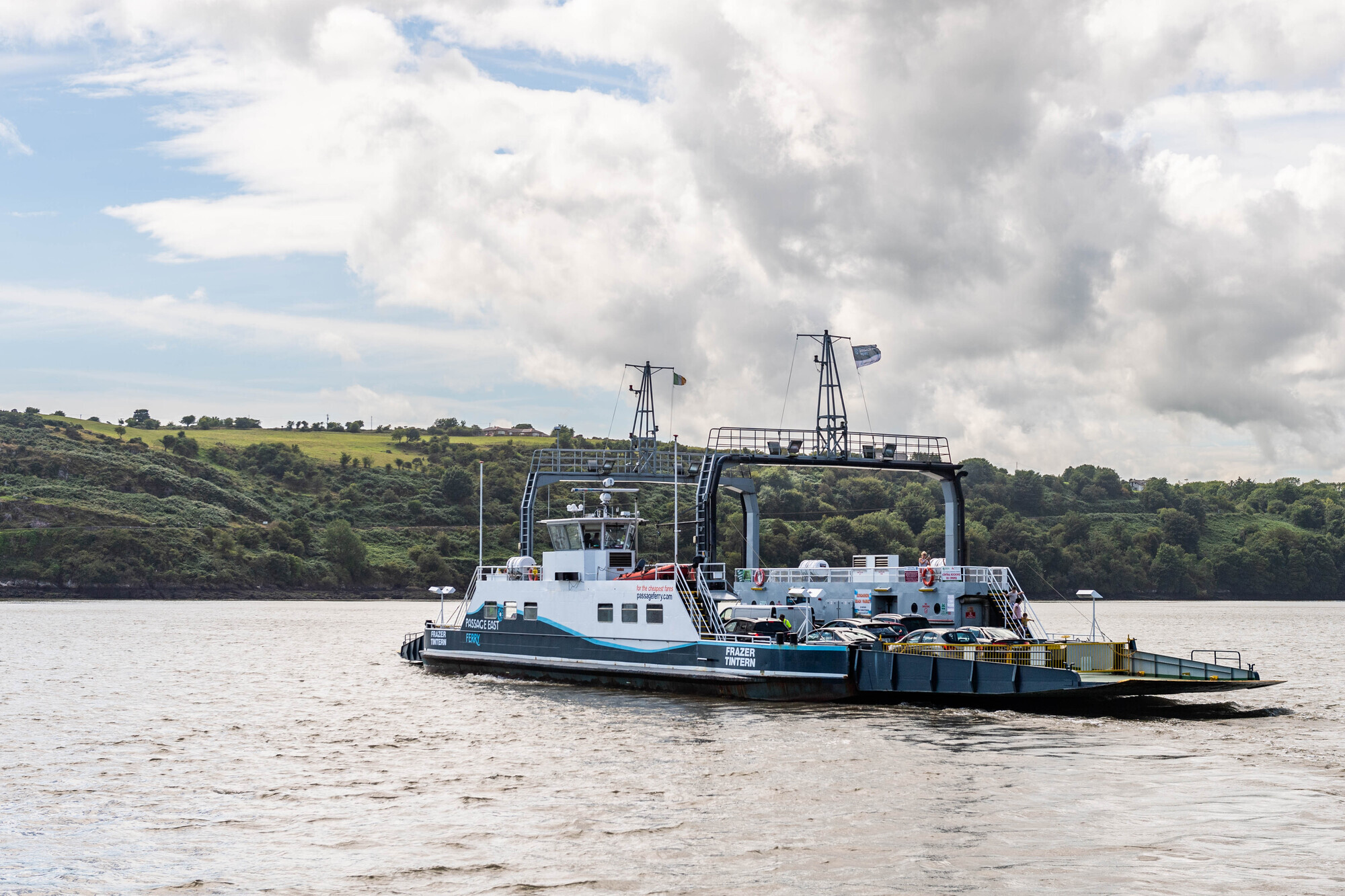
Fire broke out on board the Frazer Tintern roll-on, roll-off ferry between Ballyhack, Co Wexford, and Passage East, Co Waterford on August 5, 2021. Picture: Andy Gibson
A fire broke out on a passenger ferry on the River Suir just hours after a fuel leak on the vessel’s engine had been repaired, an investigation has revealed.
The fire took place on board Frazer Tintern — the roll-on, roll-off ferry which operates on the mouth of the River Suir between Ballyhack, Co Wexford, and Passage East, Co Waterford, — shortly after 6pm on August 5, 2021.
A report by the Marine Casualty Investigation Board (MCIB) revealed that a repair on the vessel’s fuel line had been carried out earlier that morning after a crew member reported smelling diesel fumes at 7.45am.
A local marine mechanic was called to repair the leak after the operator’s marine engineer was unavailable and the ferry was returned to service by 8.20am after the repair work had been verified by running the engine.
The MCIB report said the repair to the fuel line earlier that morning by fitting a hose clip could have contributed to the problem and it was “hard to rule out” that the earlier fuel leak was linked to the fire.
It said damage could have been caused to the fuel line if the clip was over-tightened.
The master of the vessel told MCIB investigators that he detected a strong smell of diesel fuel on the crossing to Passage East at around 6.05pm.
A crew member who went to investigate the source of the smell found black smoke and flames when he opened the door of the engine compartment.
The master immediately shut down the engine, while two crew members tried to put out the blaze with fire extinguishers.
Passengers were summoned to the muster station and issued with lifejackets as a precaution.
However, the fire, which lasted around five minutes, was extinguished before the ferry arrived at its berth in Passage East.
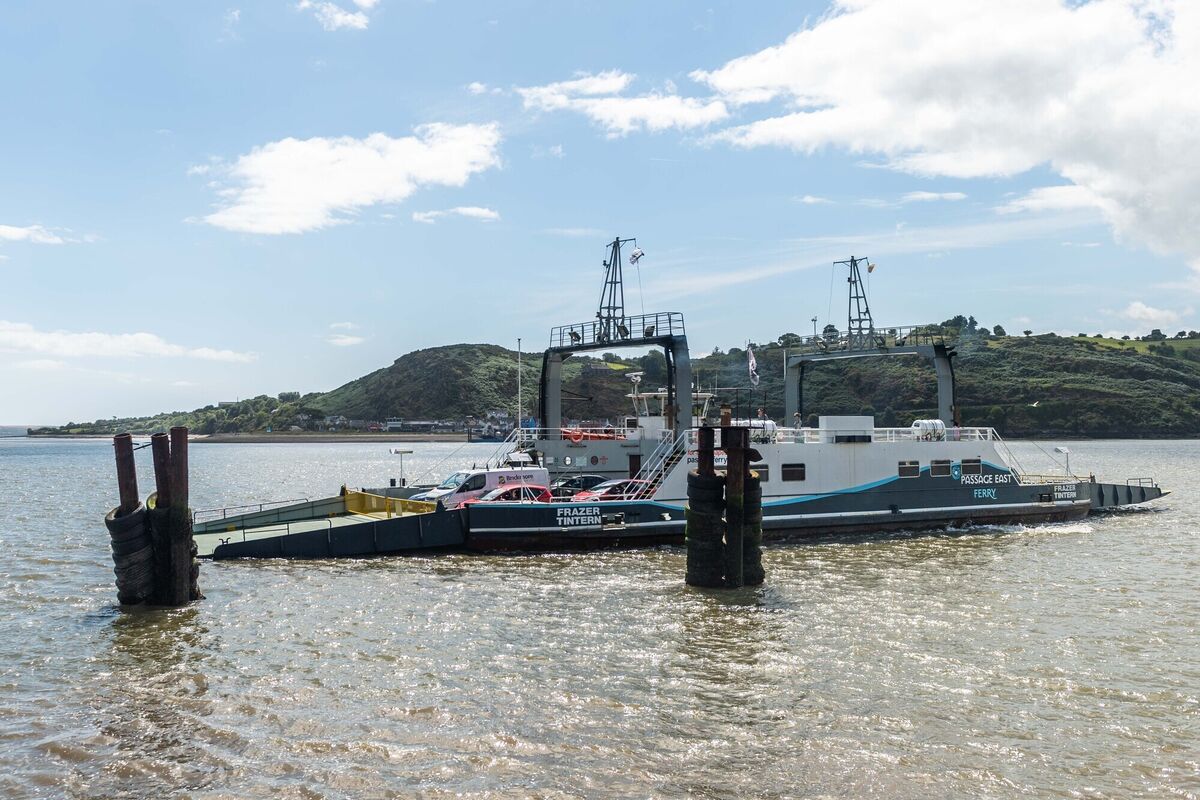
A subsequent inspection of the vessel at a boatyard in New Ross, Co Wexford, found the engine was extensively damaged by the fire, while part of the car deck was badly scorched.
The MCIB said the crew which came on board the ferry for the evening shift at 1pm was not informed about the repair work on the fuel line carried out earlier that morning.
The ferry, which was built in 1973, can carry up to 28 vehicles. It has been in operation on the Suir crossing since 2007.
The MCIB investigation found there was no safety management system in place on the ferry prior to the incident.
When questioned about the lack of such a plan, the operators of the ferry said they had never been asked for one.
However, a safety management plan has been put in place following the fire, while a lock has also been fitted to the engine compartment, which will close automatically if the fire alarm is activated.
While the ferry operators said fire drills were carried out before the incident, the MCIB said there were no records of such drills. However, safety drills are now carried out on a weekly basis.
The MCIB said the area around the engine was the hottest area in the machinery space on the ferry as it was near an exhaust from a generator.
It claimed the temperature in the area was “a contributory influence” on starting the fire as any gas oil spraying in the vicinity could be at a flashpoint where it would ignite easily.
The MCIB said the ignition source was likely to be the hot exhaust manifold or turbocharger casing of the engine that was not lagged or enclosed.
“The exposed hot surfaces of the manifold and turbocharger would have provided an ignition source for the fuel,” the MCIB said.
Investigators said the scale of the damage caused over a very short period of time indicated a considerable amount of fuel was being released to support the fire.
They said the fact the fire died off quickly after the engine was shut down showed the fuel was being fed by a mechanical means from the engine.
However, they were unable to find the exact location and cause of the fuel leak because of the extent of the fire and the damage it caused.
The MCIB issued a series of recommendations, including a change of the airflow from machinery space on the ferry away from the main car deck and any public area.
It also noted the ferry operator, which had not declared any emergency during the fire, should have notified the Coast Guard of the incident at the earliest opportunity.


CONNECT WITH US TODAY



Be the first to know the latest news and updates