Planning refused for two homes 'excessively close' to cliff in Tramore
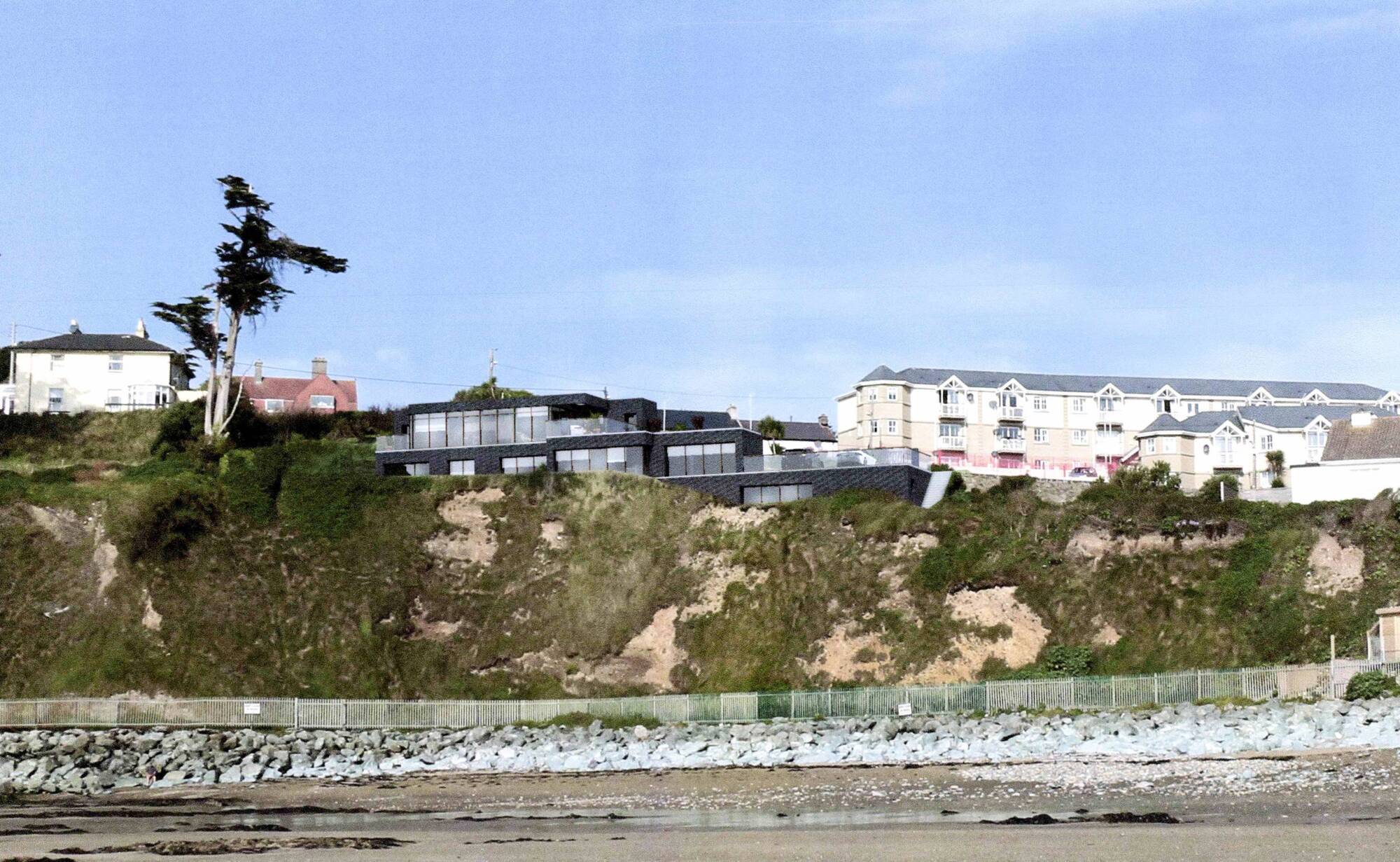
Planning permission was refused for the two semi-detached properties at the Waterford beauty spot which would have been built "excessively close" to a cliff.
Planning permission has been refused for the construction of two new homes at a beauty spot overlooking the beach in Tramore, Co Waterford, because the proposed development was “excessively close” to a cliff.
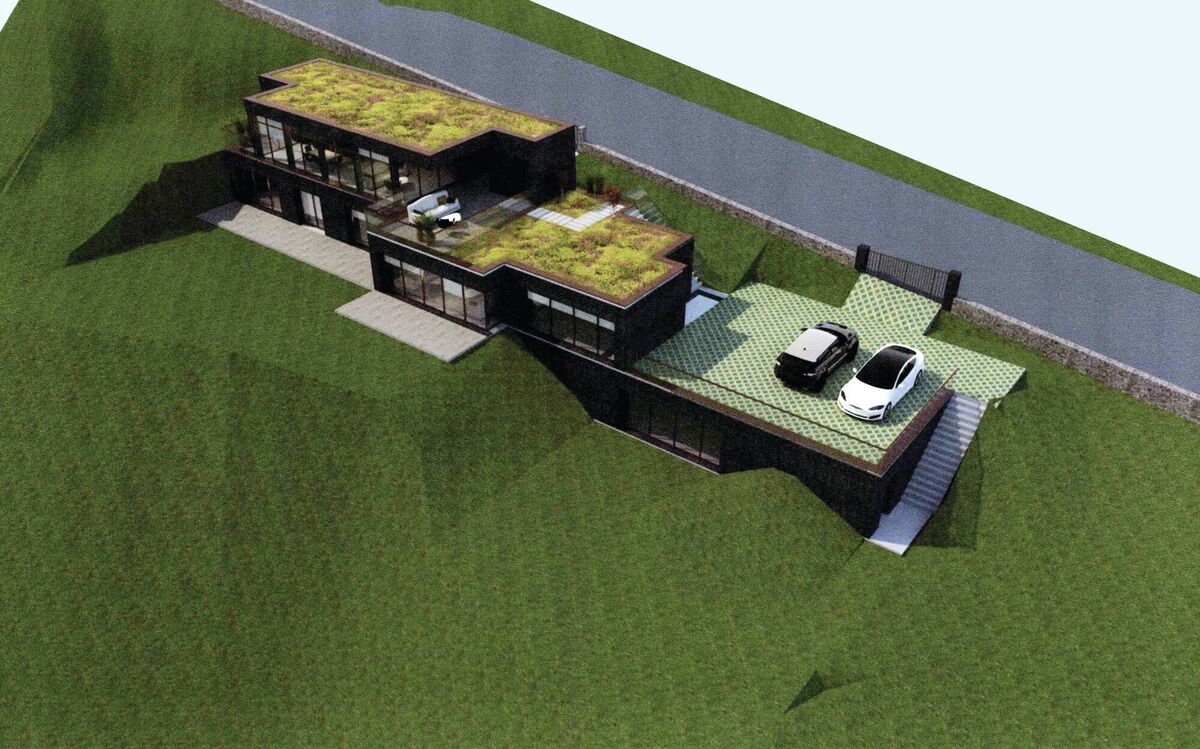
An Bord Pleanála has rejected an appeal by the owners of the site against the decision of Waterford City and County Council to reject their application to build two semi-detached, two-storey houses at Gallwey’s Hill in the popular seaside resort.
The proposed site is a viewing point for a famous John Hinde postcard with a panoramic view of Tramore first printed in 1969, which still appears in calendars.
The board pointed out that the Waterford City and County Development Plan 2022-2028 recognises the necessity for the future management and protection of coastal areas.
CLIMATE & SUSTAINABILITY HUB
Based on information provided by the applicants, particularly in relation to the method of construction and the significant excavations required, the board ruled that the proposed development would be “excessively close” to the cliff face.
The board also expressed concern that planned excavation works could compromise the structural stability of the cliff face in the area.
In addition, the board said it was not satisfied that the development of the new housing would not result in further coastal erosion as well as impacts on climate change.
An inspector with An Bord Pleanála acknowledged that the view from the location of the development was “spectacular” and is a popular viewing point for the St Patricks’ Day parade in Tramore, as well as fireworks displays.
However, the inspector said it was also “an extremely sensitive site” with the view of Tramore beach from the location having been used in postcards, TV programmes, and films.
From objections submitted on the project, the inspector observed that “it is clear that the view from this location is of extremely high importance and significance to the town of Tramore”.
While she accepted the design of the houses was “high quality", the inspector said the development would impact negatively on important views from Gallwey’s Hill, while its dark grey/black finish was not native to the area and was “unsuitable for this coastal location”.
The inspector said there was evidence of coastal erosion at the location already when viewed from the seaward side.
She noted objectors had submitted photos that showed bare earth exposed at the cliff face, which they claimed demonstrated there was continuing erosion and collapse of the cliff.
The inspector said no information had been provided by the developers about the method of construction at such a vulnerable location and how much excavation was required.
A total of 106 third-party objections to the development were received by the council with another 14 made to An Bord Pleanála.
Most expressed concern about the development’s visual impact as well as its potential for coastal erosion and impact on climate change, traffic safety and tourism.
Waterford Camino Tours claimed the development would take away the iconic view across Tramore Bay for both locals and visitors.
Another objector said it was the only green natural space in Tramore with such a view.
The owners, Richard and Caroline Godsil and Jane Fuller said they had submitted engineering reports to show that the structural stability of the cliff was not a design issue as a result of onsite trial pit investigations of the site geology.
They claimed tests showed dolerite bedrock on part of the site had good potential for a founding layer of depths up to eight metres below ground level, while shale and “very stiff boulder clay” in another part could be dug to depths of nine metres.
However, they said works to construct the houses would be confined to a relatively small area and would only extend to a maximum depth of three metres.
The applicant said susceptibility of the site to erosion from the seaward site did not form part of the report.
However, they pointed out that the site was not contained as an area at risk of erosion in a map for Tramore produced as part of the Irish Coastal Protection Strategy Study.
They also noted rock armour and fencing was installed in 1998 to provide protection to the cliff face.
Although there had been several extreme weather events subsequently, they said they had no impact on the cliff face due to the distance from the sea and the coastal protection in place.
Rather than contributing to climate change, the owners said the houses would be highly sustainable, while the design and layout had been prepared with full regard to the surrounding landscape which was sensitive to the location and protected key views of Tramore Bay.
Waterford City and County Council had also refused planning permission for the two houses because it believed vehicles using the property would endanger public safety due to the inadequate visibility of traffic emerging from the proposed entrance to the site.
However, the board did not raise it as an issue although its inspector expressed concern about road safety given the popularity of the road with tourists unfamiliar with the area.
CLIMATE & SUSTAINABILITY HUB
CONNECT WITH US TODAY



Be the first to know the latest news and updates