What did you do during the pandemic? This trio built a boat
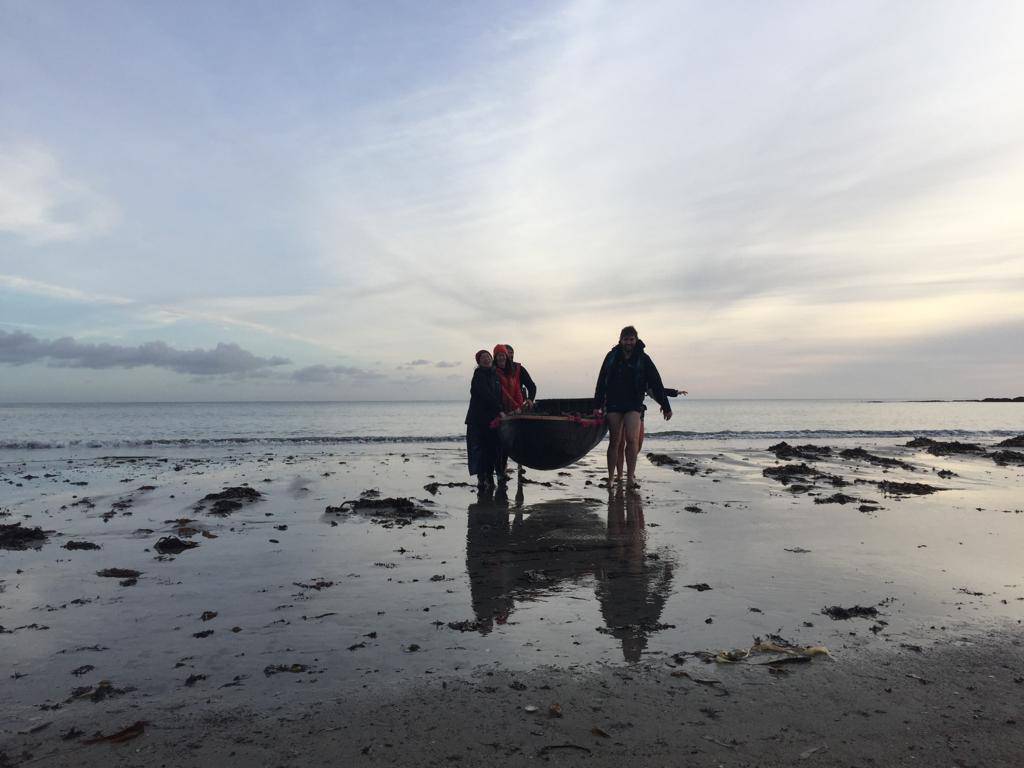
The Baidín Beoirs, a group of women who built a currach over lockdown. Pictures: Yvonne Coughlan.
A group of women who built a currach for the first time over the pandemic have successfully launched their vessel from a beach outside Kinsale, Co Cork.
Dinny Wheeler, one of the ‘Baidín beoirs’ who built the boat, said that the pandemic showed people who lived by the coast the incredible beauty and resources on their doorsteps.
“During lockdown the beaches were empty. I’m very interested in history and I live beside the beach. I swim all year round. I have a real connection to the sea. Building the currach was like building a relationship with the sea. It’s walking in the steps of our ancestors, learning a traditional craft, and getting a boat at the end of it," Ms Wheeler said.
The boat, named the Baidín Beo, is a currach in the Donegal style. It is designed for speed rather than unflappable stability. The women - Ms Wheeler, Iona Rea Wilson, and Annie Hogg - are hoping to race it in the Rás Mór rowing race in Cork next summer.
They plan to train around Sandycove Island in Kinsale with another all-female currach crew in a boat called Spioraid na Saoirse.
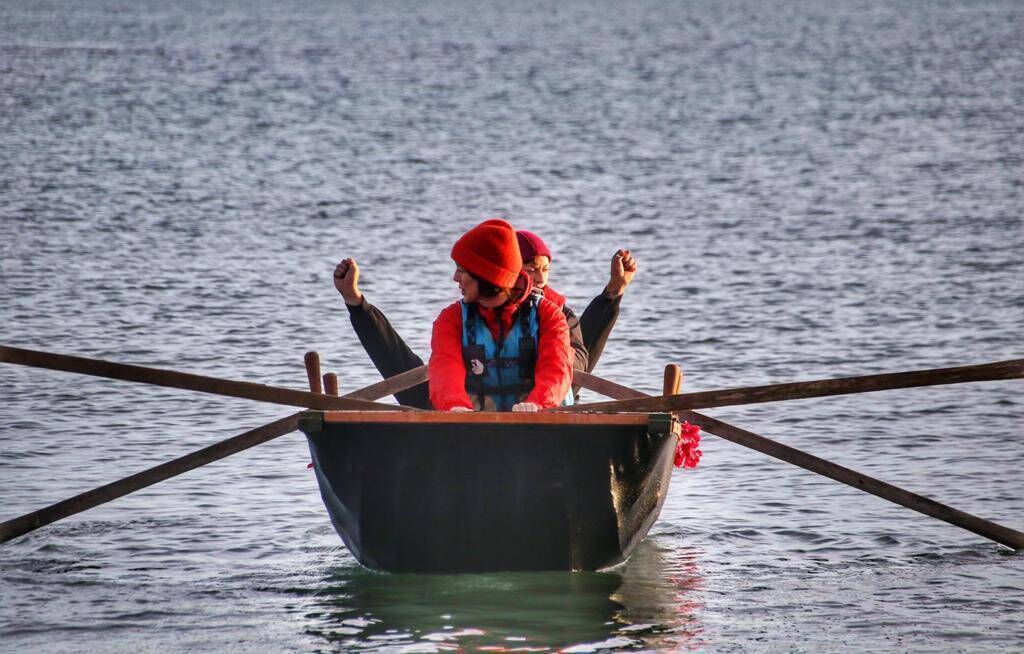
Increasing numbers of women are now building and rowing their own currachs, with another woman near Cobh also embarking on a similar project, Ms Wheeler said.
The trio decided to build the currach two years ago and Ms Wheeler’s boyfriend Dave Foley helped.
Her friend, TV presenter and master boat builder Pádraig Dineen helped them with the difficult task of skinning the boat, for which they used ballistic neoprene.
They used wood from a friend's woodland and bought other wooden laths from a Co-Op. In total, the boat cost them approximately €300 to build.
The easy, cheap and low-tech nature of the currach made it a lifeline to hungry people throughout the famine in the 1800s, Ms Wheeler said.
“But the currach could be made by almost anyone with household materials.
“The currach was a lifeline to people in the 1800s. It kept families alive. If you could build a currach and lived by the coast, you could go out and fish and feed your family."
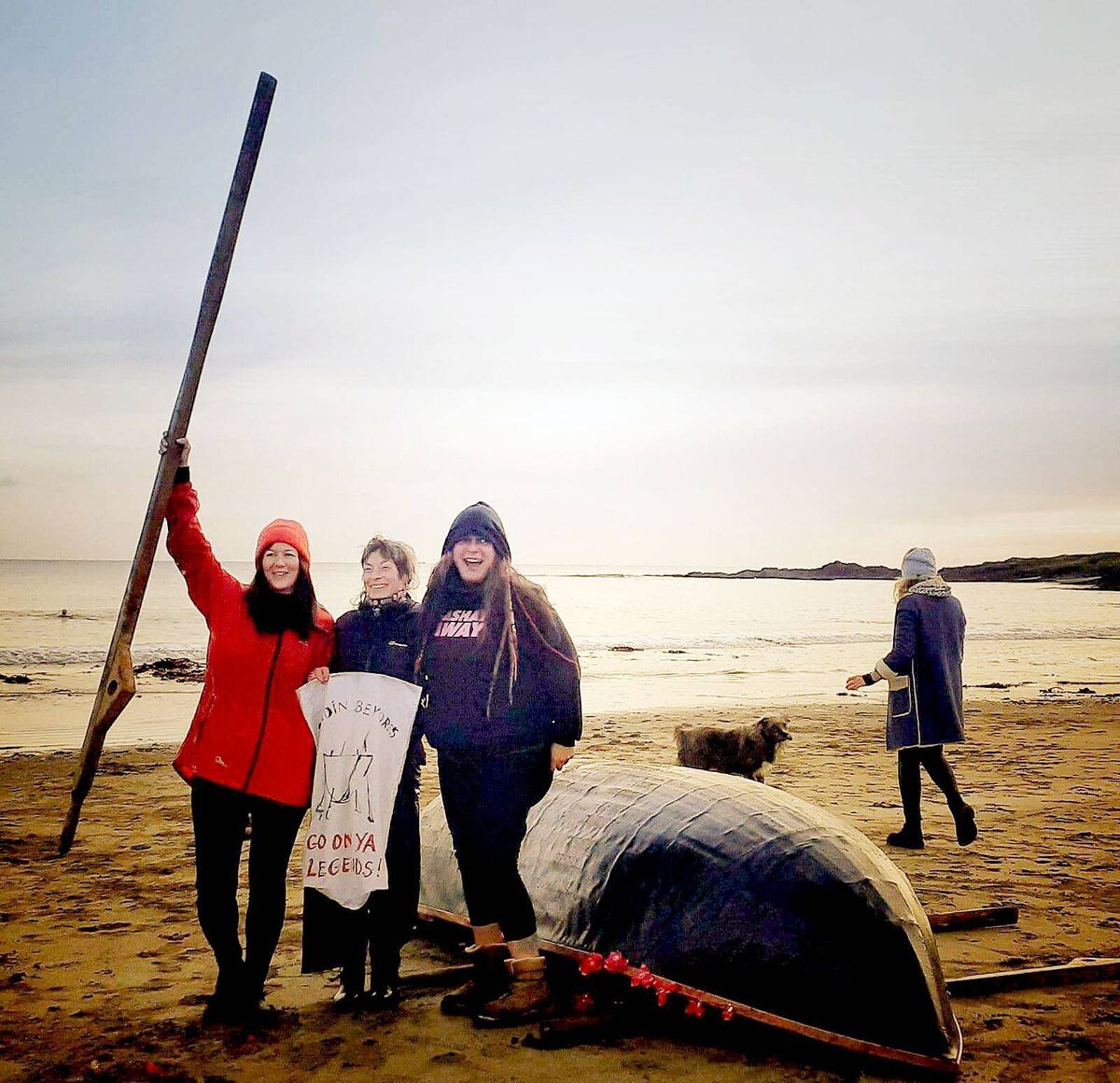
Ms Wheeler said that the boat is beautiful and has ‘lots of personality.’ “You can tell that girls made her,” she said.
“Making currachs was always a very individual process. There’s a book on it which we followed loosely but everyone adapts the design to their own needs and preferences.
“We became like engineers, we had to think about what we needed to do to make her float and move fast.
“Other styles of currachs have flat bottoms, they were slower but more stable and were used to get to the islands in Kerry. They even brought livestock on them."
The build also drew a community together. Experts shared their advice willingly and on launch day, some 50 people came to the beach, singing ‘Row your boat’ as they set off.
“It was a good thing to do over the pandemic. It’s good to set your mind to something, to do it well and to have something to be hopeful about,” Ms Wheeler said.

CONNECT WITH US TODAY



Be the first to know the latest news and updates