Cork to host major conference on Napoleonic era
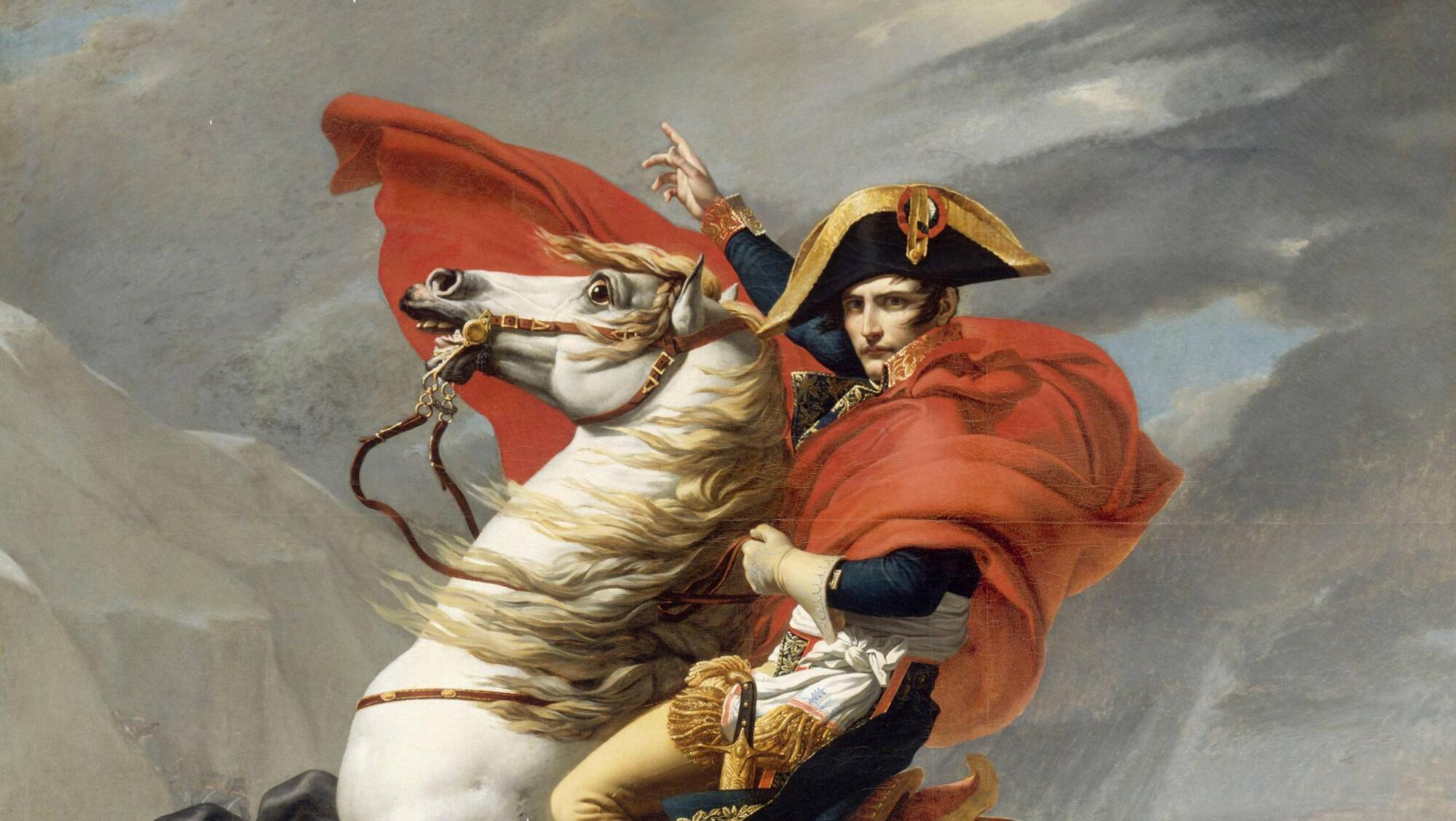
Cork has been selected to host a major conference which will be attended by numerous experts on the Napoleonic era

Cork has been selected to host a major conference which will be attended by numerous experts on the Napoleonic era

Cork has been selected to host a major conference which will be attended by numerous experts on the Napoleonic era, primarily because the county has huge connections with Napoleon Bonaparte, who was once the most powerful man in Europe.

Thousands of Irish flocked to fight for the diminutive Frenchman, mainly because they wanted to see Ireland become a republic, like France, and overthrow their English masters.

On the other hand, many fought with the English against him and Irishmen were pitted against each on opposing sides, including the Battle of Waterloo.

The Napoleon Society of Ireland (NSI) has succeeded in getting the renowned International Napoleonic Society to host its annual conference in Cork in 2022.

French connections

The county has of a host of Bonaparte connections including his two Cork doctors, his planned involvement in the unsuccessful French invasion attempt at Bantry, claims his famous white horse 'Marengo' was born in North Cork and the massive coastal defences set up by the British in the region to prevent French invasion.

Cormac Finn O'Brien, vice president of the NSI, also pointed out that the grave of one of Napoleon's generals at Waterloo can be found in Kinsale.

“At first Napoleon was supposed to be on the fleet to sail to Cork in 1796, but he was becoming too powerful so the French government sent him off to the invasion of Egypt,” Cormac said.

Instead, the French decided to give the Cork job to General Lazare Hoche, who had 15,000 soldiers under his commands. It ended a shambles, mainly due to a major storm.

“The world-famous closing the gates of Hougoumont (the major farmhouse fought over at the Battle of Waterloo) painting depicts the scene of the (British) Coldstream Guards, including two Irish brothers, closing the doors of the farm on French troops,” Cormac said.

However, this picture doesn't tell the full story. The story goes that the soldiers at the front of the French troops were Irish. 

"Therefore, the social ramifications of this scene of them closing the gate illustrates the division of Ireland between loyalist and nationalists on a European scale,” he added.

More in this section

Lunchtime News

Newsletter

Get a lunch briefing straight to your inbox at noon daily. Also be the first to know with our occasional Breaking News emails.

Cookie Policy Privacy Policy Brand Safety FAQ Help Contact Us Terms and Conditions

© Examiner Echo Group Limited