Sex offenders and serious criminals won't be eligible for electronic tags, minister says
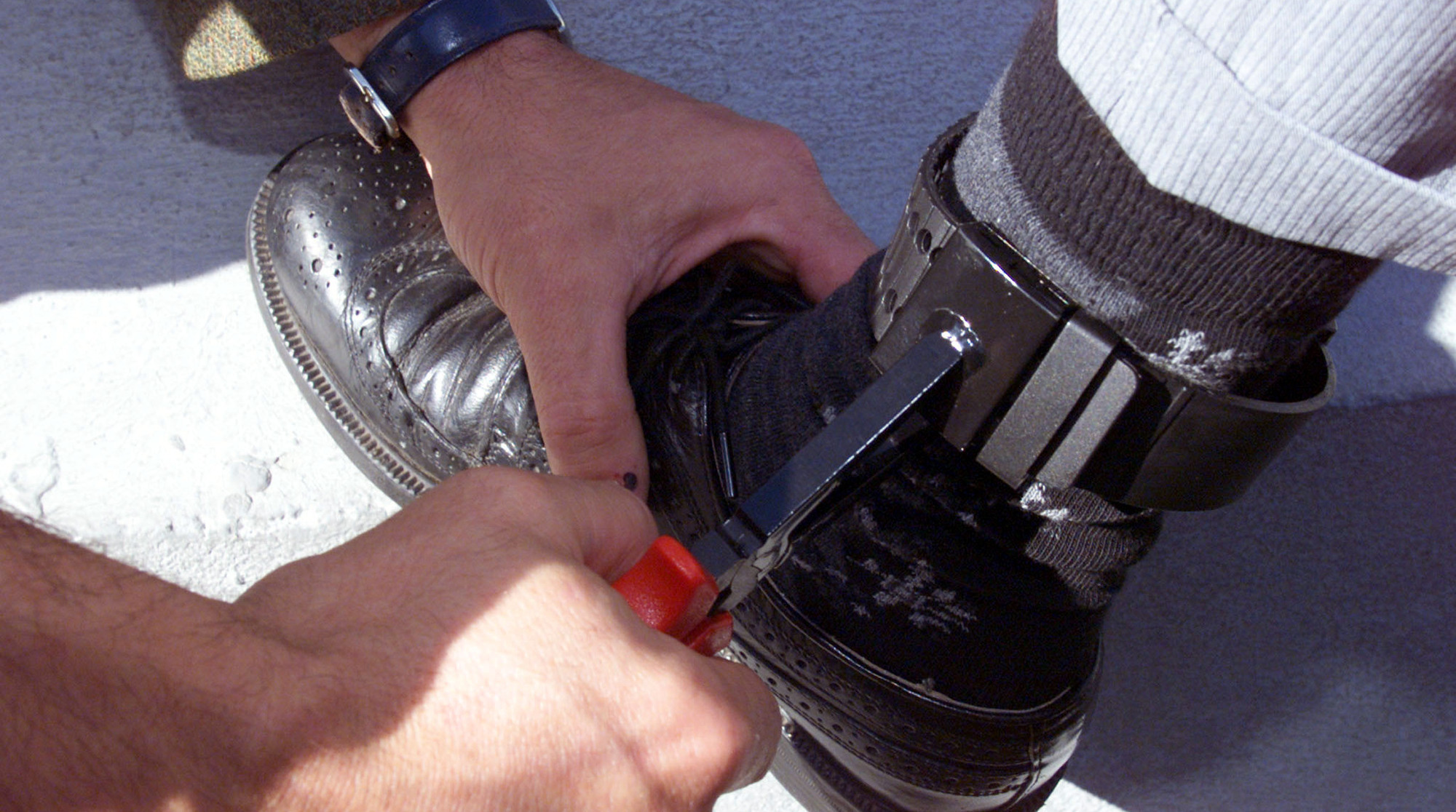
The tags will also issue alerts if individuals breach their use, or if there is any attempted interference with the tag. File picture: Reuters/Pascal Rossignol
Sex offenders and serious criminals will not be eligible for early release from prison under a new electronic tagging pilot, the justice minister has said.
Jim O’Callaghan confirmed the start of the 12-month pilot project, which will focus on prisoners eligible for temporary release and in some bail cases. The pilot is expected to use between 30 and 50 electronic tags, with this due to manage between 90 and 150 individuals over the course of the year.
The tags will also issue alerts if individuals breach their use, or if there is any attempted interference with the tag.
Mr O’Callaghan said the project would “modernise” the criminal justice system, adding it would discreetly monitor the movements of prisoners and ensure they aren’t breaking their curfew or conditions of their release.
“If there are people who are entitled to temporary release or people who don't need to be in prison prior to their prosecution taking place, I think there is an advantage in having a system in place that enables them not to be in prison but to be in the community, but to be fully protected,” said Mr O’Callaghan.
Read More
Asked about reassuring people that violent criminals would not be released under the scheme, Mr O’Callaghan said it would not be made available for “serious offenders”, including sex offenders.
“You have to take into account the type of offence, their behaviour in prison, the extent to which they will be rehabilitated back into society,” Mr O’Callaghan said. “That whole temporary release scheme is designed not to cover violent offenders.”
The system is set to be operated by private operator Allied Universal Electronic Monitoring, with the contract having been signed in August this year.
On the number of tags being put into use, Mr O’Callaghan said it would be a “start”, and there are options to extend the pilot beyond 12 months if it is successful.
“If it’s going very well during the year, I may well bring it forward. But we need to get the pilot project up and running; we need to get it working effectively in the first instance. I’m conscious it hasn’t been done before in Ireland, so it's important that we see the measure develop appropriately.”
Mr O’Callaghan said there are currently a lot of people in prison because of concerns they may not comply with the terms of a court order.
“If you have a curfew order on you, you won't be able to avoid it if you're wearing one of these,” he said.
Asked about the use of a private provider rather than being operated by gardaí, Mr O’Callaghan said he believed it was a better option for the system.
“I think we're better off having a private provider dealing with this. If we don't, we're trying to train up gardaí who could be out in the street; they'd be responsible for our technology. I think it is preferable that we have private providers in respect of it.”
Legislation to give effect to electronic tagging was initially passed by the Oireachtas in 2006, but the measures were never formally introduced.
- Tadgh McNally, political reporter

BLACK FRIDAY
Already a subscriber? Sign in

CONNECT WITH US TODAY



Be the first to know the latest news and updates