Woman granted remote working after her daughter was sexually assaulted awarded €2,540 after firm revoked it with one day's notice
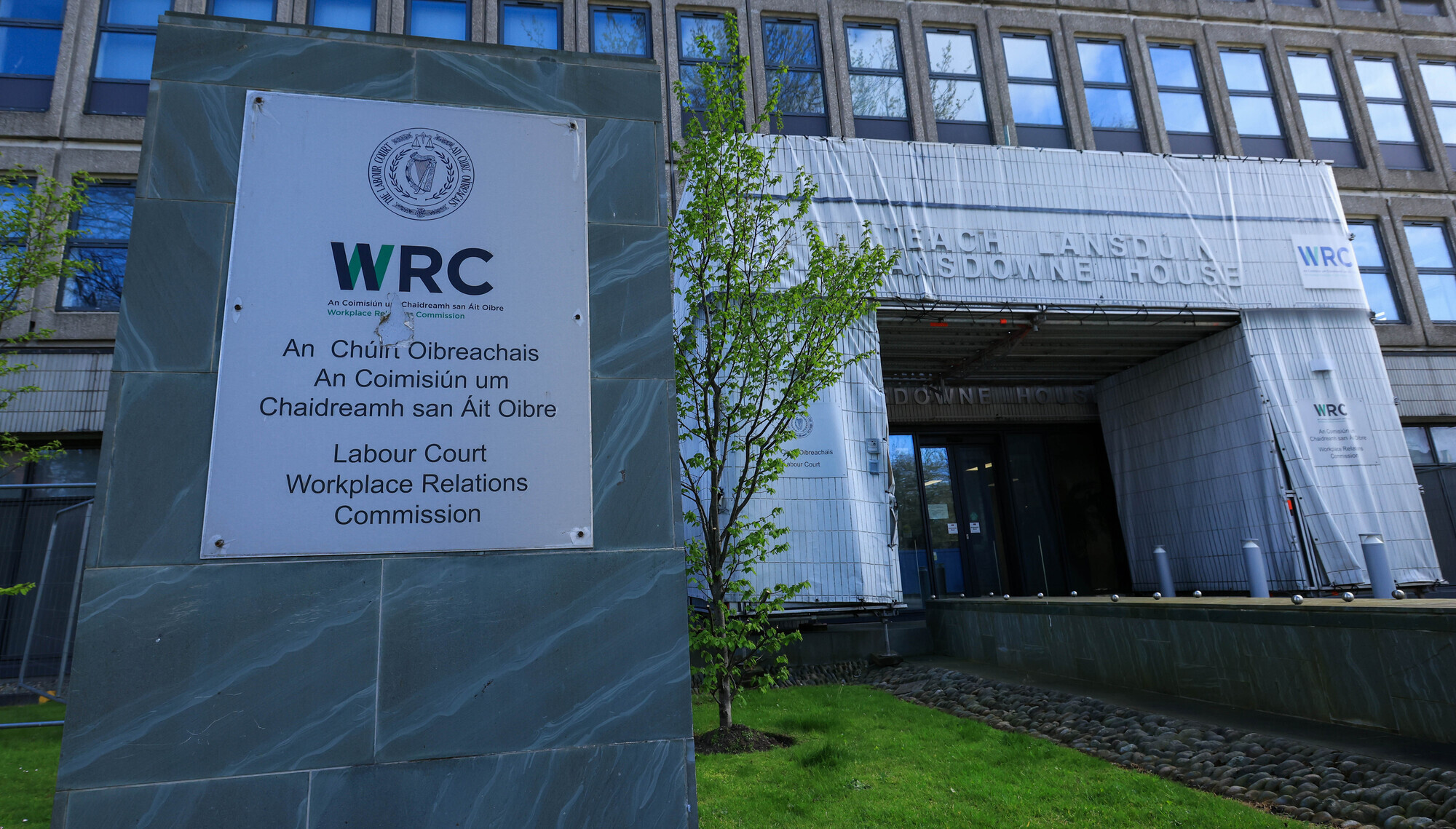
WRC ruled the company had breached Section 22 of the Work Life Balance and Miscellaneous Provisions Act 2023 and ordered it to pay the complainant four weeks’ pay. Picture: Colin Keegan/ Collins
A recruitment administrator granted a remote-working arrangement after her 13-year-old daughter was sexually assaulted has been awarded €2,540 after the agreement was revoked with just one day’s notice.
The decision was made by the managing director of the recruitment company, and he had no valid reasons for terminating the arrangement apart from the fact that he “does not agree with remote working”, the woman was told by the firm’s HR manager.
She had been permitted to work from home two days a week after her daughter was seriously sexually assaulted by another minor. The teenager began self-harming with suicidal ideation.
In response to the crisis, the HR manager agreed to a written remote-working arrangement that allowed the woman to bring her daughter for forensic tests in hospital and provide parental support.
The agreement specified the arrangement would be reviewed monthly and any changes would be communicated in advance.
However, an adjudication hearing of the Workplace Relations Commission (WRC) was told the agreement was summarily revoked with less than 24 hours’ notice by the managing director after he returned from India in December 2024.
Read More
The woman claimed she was subsequently subjected to a hostile work environment and, when she raised the issue with the managing director, he allegedly replied: “I made your duties and I will tell you what they are.”
He told her the written remote-working agreement “does not exist”, according to her testimony to the WRC.
She eventually felt she had no option but to resign for the sake of her mental health after a colleague told her she had been instructed not to speak to her or engage with her under any circumstances.
The woman further alleged that, while she was out sick for three days with work-related stress, the managing director instructed another employee to bombard her with emails questioning the validity of her medical certificate.
The company denied all claims of penalisation, arguing the remote-working arrangement was only ever intended as a one-month trial.
It submitted it was within its rights to question the sick cert and maintained the worker had been merely asked to assist with administrative duties that fell within her existing job description.
WRC adjudication officer Valerie Murtagh noted the company had accepted its one-day notice period was not in line with the official code of practice, which required four weeks’ notice for revoking such arrangements.
She drew an adverse inference from the company’s refusal to supply requested employment contracts and review documents, and found the managing director’s testimony to be “dismissive and lacking in candour”.
Ms Murtagh ruled the company had breached Section 22 of the Work Life Balance and Miscellaneous Provisions Act 2023. Ordering it to pay the complainant four weeks’ pay, she said this award reflected the “egregious nature” of the treatment, which went against the grain of the legislation.

CONNECT WITH US TODAY



Be the first to know the latest news and updates