Suspension for accused gardaí 'terrifying', retired senior garda tells Limerick trial
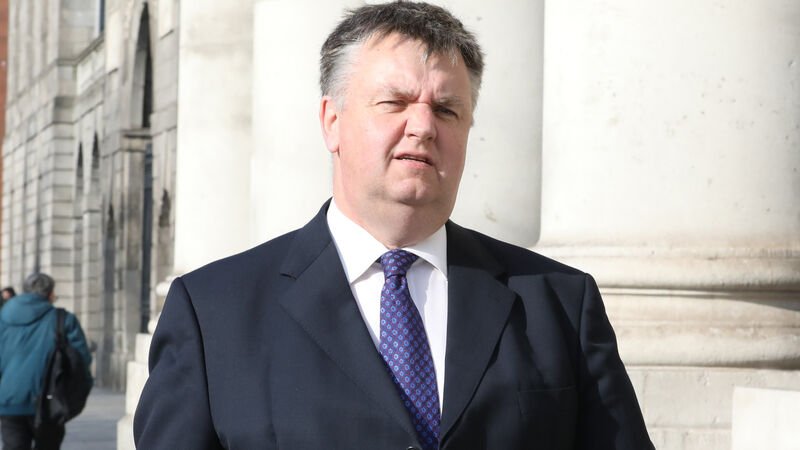
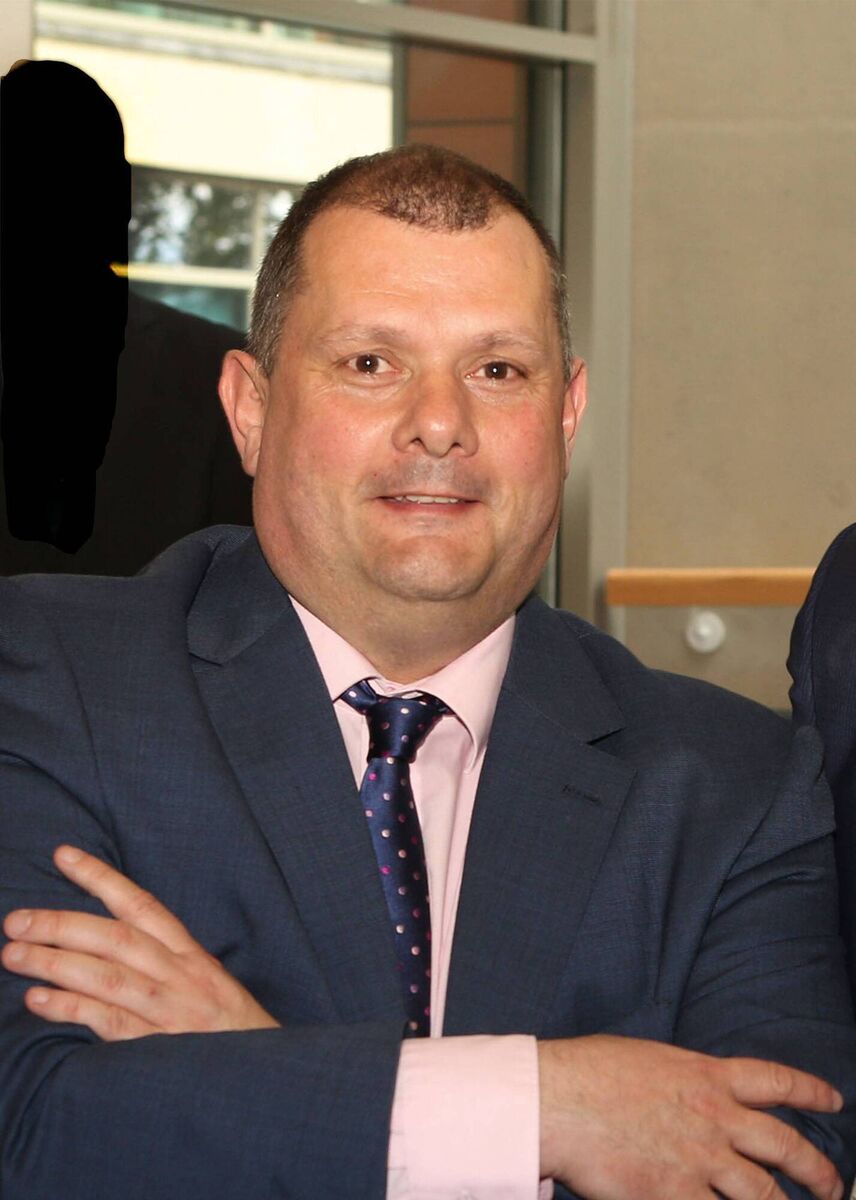
Assistant Garda Commissioner Fintan Fanning said a suspended garda, is 'almost walking in a dead man’s shoes', because they may be innocent but still have to suffer the penalties of being on suspension. File picture: Collins Courts
A retired assistant Garda commissioner, who was previously involved in investigating complaints of alleged disciplinary breaches in the force, told how it is a “terrifying” ordeal for a serving garda to be put on suspension accused of wrongdoing.
Fintan Fanning was giving evidence at the trial of retired Supt Eamon O’Neill and four serving gardaí, Sgt Anne Marie Hassett, Sgt Michelle Leahy, Garda Tom McGlinchey and Garda Colm Geary.
The five accused, who are on trial at Limerick Circuit Court, have denied a total of 39 counts of the unlawful quashing of pending or potential summonses for alleged motoring offences including speeding, holding a mobile phone while driving, non-wearing of seat-belts, driving without insurance.
Mr Fanning, who retired in 2019, said the penalties for alleged garda disciplinary breaches were serious and often included warnings, a reduction in salary, or ultimately dismissal from the force on the direction of the Garda commissioner.
Mr Fanning told the court, that in his almost 40 years of garda service, he had never heard of any member being criminally prosecuted before the courts in respect of the administration of fixed charge penalty notices or traffic summonses.
He said suspension from the force pending the outcome of internal enquires has “severe career implications” for any garda. The four serving gardaí on trial have been on suspension for the past six years.
Answering John Byrne, senior counsel for Garda McGlinchey, Mr Fanning agreed that when a garda is suspended on foot of an allegation, the garda is effectively “locked” out of the garda organisation.
“It’s terrifying, you’re told you can no longer go near your garda station, and the stigma attached is horrendous,” said Mr Fanning.
Mr Fanning said a suspended garda, is “almost walking in a dead man’s shoes”, because they may be innocent but still have to suffer the penalties of being on suspension.
“It breaks your spirit, it breaks your heart, it breaks your values, you feel just worthless,” added Mr Fanning.
The witness agreed with Mr Byrne that even though a garda can be acquitted of a criminal allegation, “the next battle starts” in being acquitted by an internal garda disciplinary hearing.
Mr Fanning agreed with prosecuting barrister, senior counsel Carl Hanahoe, that up until 2014 all gardaí at the rank of superintendent had the power to cancel fixed charge penalty notices (FCPNs), which are served to people allegedly detected in breach of the road traffic act and summoned before a district court.
Mr Hanahoe put it to Mr Fanning that since 2014, this power was removed from the hands of local superintendents and given to three superintendents working out of a cancelling authority based in Thurles, Co Tipperary.
Mr Fanning said, in his opinion, he understood that a local superintendent could still “make a decision to cancel” a FCPN and send his/her direction in correspondence to Thurles.
Mr Hanahoe put it to Mr Fanning that it was only the superintendents in the cancelling authority that made this decision, but Mr Fanning said, in his opinion, he regarded local superintendents as still being a “decisionmaker” in the cancelling of FCPNs.
The prosecution has alleged that Supt O’Neill was contacted by people seeking discretion in respect of FCPNs, and that Supt O’Neill forwarded these requests to the co-accused to sort out.
He agreed with Felix McEnroy, senior counsel for Mr O’Neill, that a person stopped by a garda was entitled to approach a different garda later on that they “knew” or “trusted” and enquire about discretion.
“There’s two sides to every story/the truth, we (gardaí) hear a version of the facts, then we have to consider it,” said Mr Fanning.
The trial continues on Wednesday.


CONNECT WITH US TODAY



Be the first to know the latest news and updates