Gardaí to take 'holistic approach' to drug use in Limerick

A generic stock photo of a Garda in Dublin.
Limerick gardaí are to make “health referrals” for people in drug addiction as part of a new “holistic approach” to policing a surge of crack cocaine use in the city.
The Law Engagement and Assisted Recovery (Lear) project which will launch in April will include a dedicated crack cocaine support service to tackle an increase in people presenting to drug charity Ana Liffey.
Chief Superintendent Derek Smart of the Limerick Garda Division, said gardaí were committed to “supporting vulnerable people” caught in the trap of drug use.
“Working in partnership with Ana Liffey, we will focus on the issue in Limerick City centre,” he said.
“With the person’s consent, my team on the ground will make referrals to Ana Liffey’s Lear team for people who fit the criteria as needing case management supports.”
Gardaí will continue to target drug lords involved in the importation and sale of drugs by prosecuting them through the courts and penal system.
“The gardaí are very aware of the drug problem and they realise there is an underlying health issue behind it,” said Tony Duffin, CEO of the Ana Liffey Drug Project, which will lead the rollout of Lear.
“Their remit is to protect life and they realise that drug use requires a health intervention.
“It’s part of a more holistic approach; drug supply requires a criminal justice intervention.”
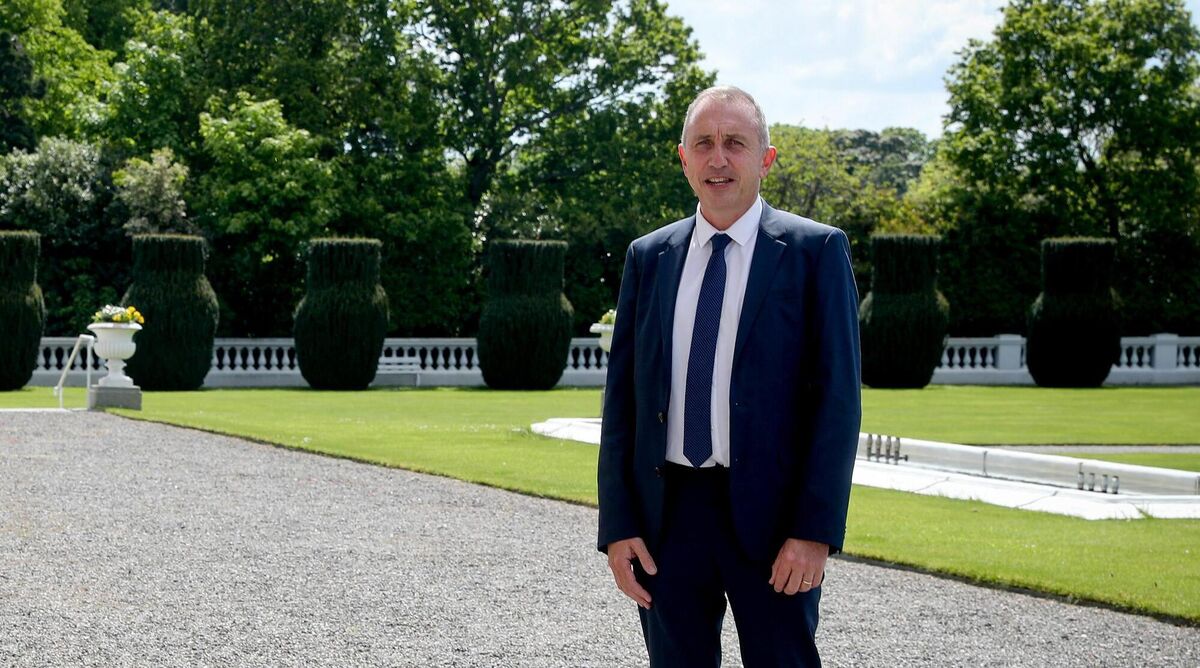
Mr Duffin added: “Limerick is a relatively small city with a big drug problem and we are going to target areas of deprivation and known drug use, where a lot of our client base come from.”
The Department of Health has sanctioned an initial €200,000 for three staff and a vehicle to engage with the “most vulnerable crack cocaine users” in Limerick in 2023 with the hope of expanding the initiative.
Ana Liffey provided around 9,000 sterile crack pipes in Limerick, Clare, and north Tipperary from 2020 to 2022 to try to prevent transmission of viruses and infections among crack users.
Mr Duffin said the price of crack cocaine across the country had plummeted “but particularly in Limerick” which was partly fuelling demand.
“The price of a rock of crack in Limerick can be as low as €10,” he said.
“It used to be €50. These are the indicators of the problem.”
Gardaí also targeted known drug supply routes out of Limerick’s King’s Island and St Mary’s Park, but the drugs trade continues unabated.
The HSE said the need for a “dedicated crack cocaine response in Limerick” had also been identified in a recent study by University of Limerick (UL) researchers.
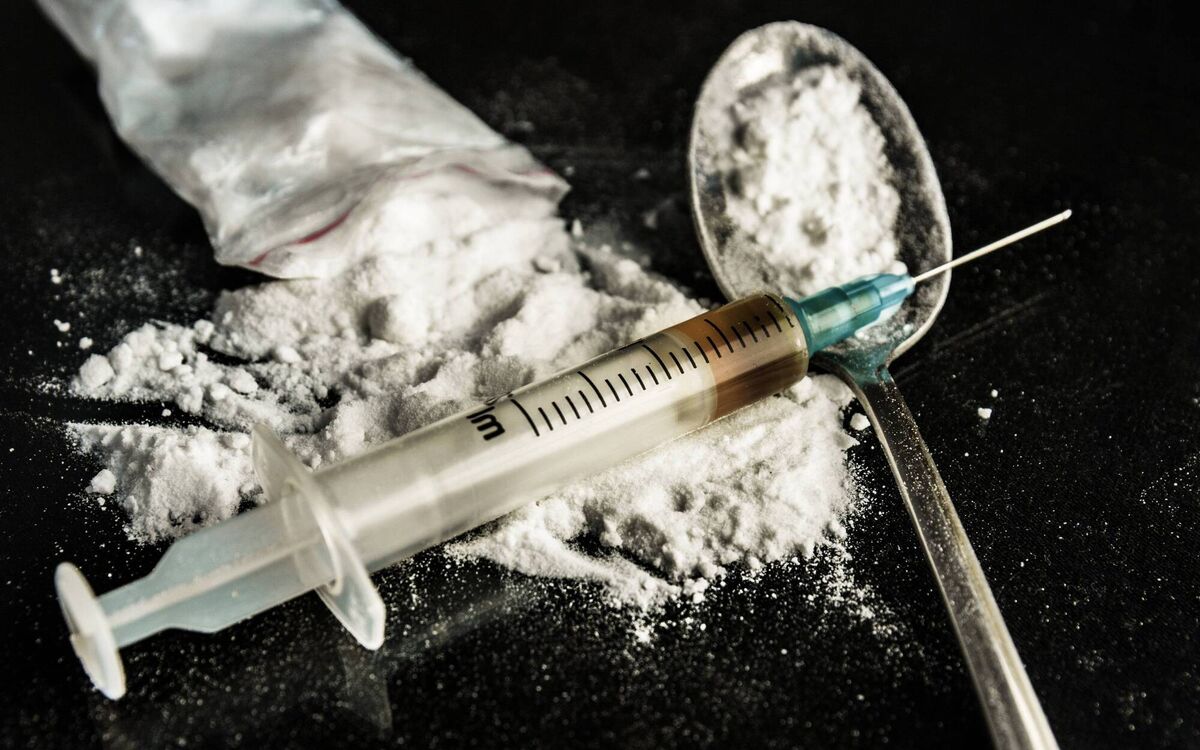
The UL study concluded that the drug was “available in every part of the city”.
It found that Ireland stands “among the countries with the highest incidence of cocaine use” and quoted statistics published by the Health Research Board that “400 deaths caused by cocaine users were recorded between 2008-2017”.
The study also found that service providers in Limerick were experiencing “high levels of burnout and need for supports due to high demand for services because of increased crack cocaine use during the Covid-19 pandemic.
It noted that although “a low percentage of 15-64 year olds reported using crack cocaine” in the mid-2000s, “there has been an increase in both power and crack cocaine use”.
The majority of crack users are male and adolescents, but “a rise in crack among females has been observed”.
Polydrug use is also a major problem with users of crack also using “benzodiazepines” as well as “smoking heroin to come down” from cocaine highs.
The UL study noted that cocaine was “a known cause of cerebrovascular diseases, which is the cause of 40.3% of visits to the emergency room (Substance Abuse & Mental Health Services Administration 2014)”.
Crack cocaine causes “drug dealing, prostitution, financial debt, intimidation of [the drug user] and their families, relationship and family breakdowns, anxiety, depression, post traumatic stress disorder, and suicide,” it stated.
CONNECT WITH US TODAY



Be the first to know the latest news and updates