Almost 20% of hot school meals in primary schools go uneaten each day, survey finds
The scheme — first introduced on a pilot basis in 2019 — had a funding allocation from the Department of Social Protection of €286m, up 24% from 2025 with more and more schools applying to join.
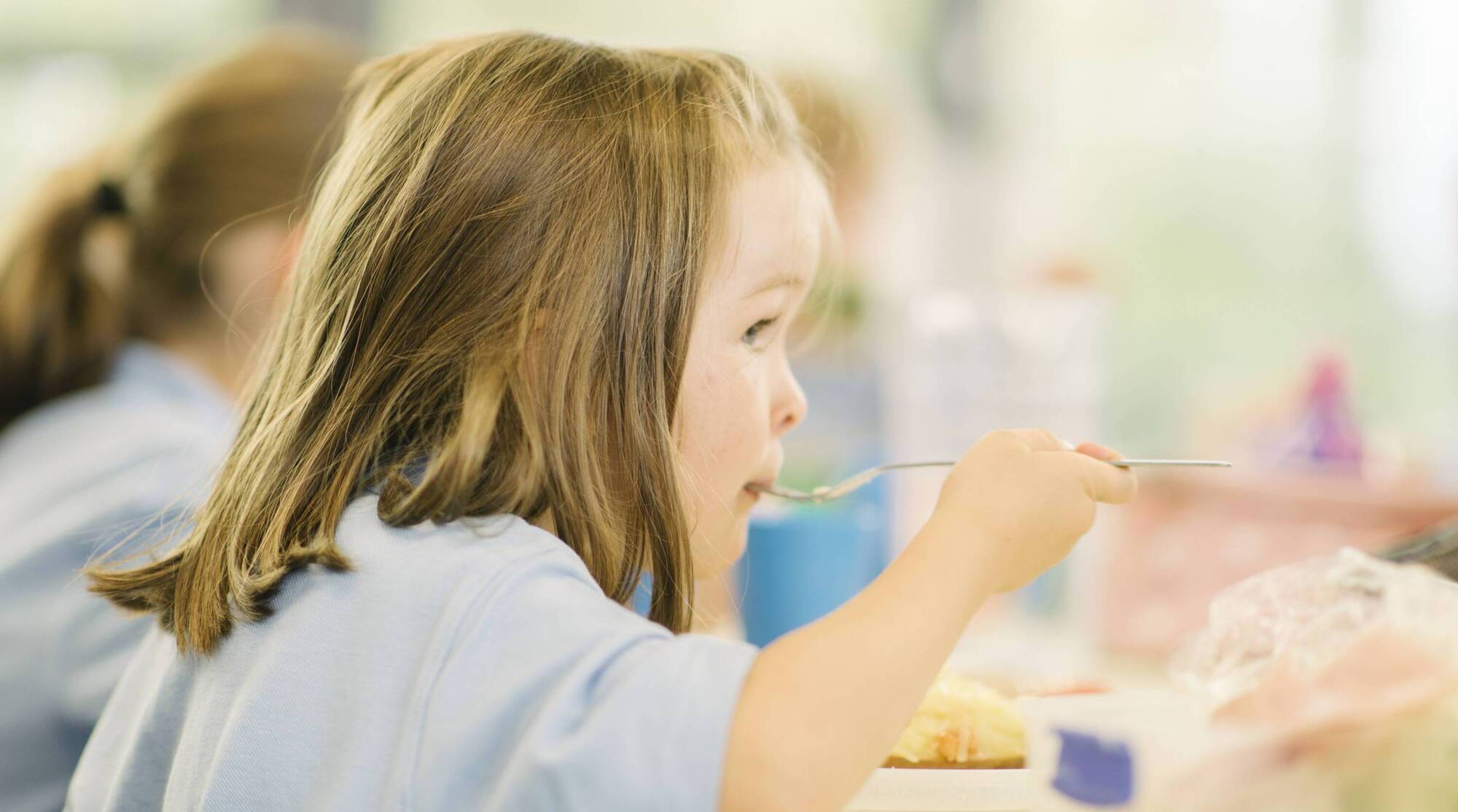
Almost 20% of hot school meals provided in primary schools go uneaten each day, according to new figures provided by the Department of Social Protection.
According to a nutrition review — encompassing 360 meals and 54 schools — conducted by the department, the body with responsibility for introducing the school meals scheme, absenteeism "contributed significantly" to the total food wastage noted.
The department said that when absences are accounted for, just over 11% of food goes uneaten, with higher percentages — 15% — seen with the older fifth and sixth classes compared with 7% for all pupils between junior infants and first class.
An IPSOS Behaviours and Attitudes survey on the scheme conducted on behalf of the department, found that the meals programme is "now deeply embedded" in primary schools, with "broad recognition" of its benefits.
That survey suggests that "food waste was always a problem even before the introduction of school meals", with 48% of parents saying their children routinely brought uneaten food home after school.
The survey also found that close to a third of students felt they should also have the option of a cold lunch.
Read More
The scheme — first introduced on a pilot basis in 2019 — had a funding allocation from the department of €286m, up 24% from 2025 with more and more schools applying to join.
Last month, the Comptroller and Auditor General Seamus McCarthy included a report on the hot meals scheme as part of his annual appropriation accounts, and concluded that 1,116 primary schools had applied for funding in excess of their own recorded enrolment numbers.
He also found that surplus funding balances of €34m were held by schools in total at the beginning of the 2025/26 academic year, though he added that such surplus amounts are deducted from any amount granted for the subsequent year applied for.
He also found that the concentration of vast amounts of contracts among a small group of suppliers represented a "potential strategic risk", with just five contractors accounting for the vast majority of schemes.
The department said that it will introduce a formal check on enrolment numbers to prevent any large variances between the number of pupils in a school and the number applied for going forward.
Department secretary general John McKeon is due to appear before the Public Accounts Committee on Thursday to discuss the scheme, when he is expected to say that the programme is to be further expanded in 2027 to fund a 'holiday meals' service.
Previous criticisms of the scheme have included that the nutritional value of meals is often lacking, particularly for younger children.
Social protection minister Dara Calleary, meanwhile, faced calls earlier this week to strengthen food safety for the scheme after an inspection found rodent droppings at a site operated by one of its main contractors, The Lunch Bag.

CONNECT WITH US TODAY



Be the first to know the latest news and updates