Hot School Meals Programme: Are children getting the food they need?
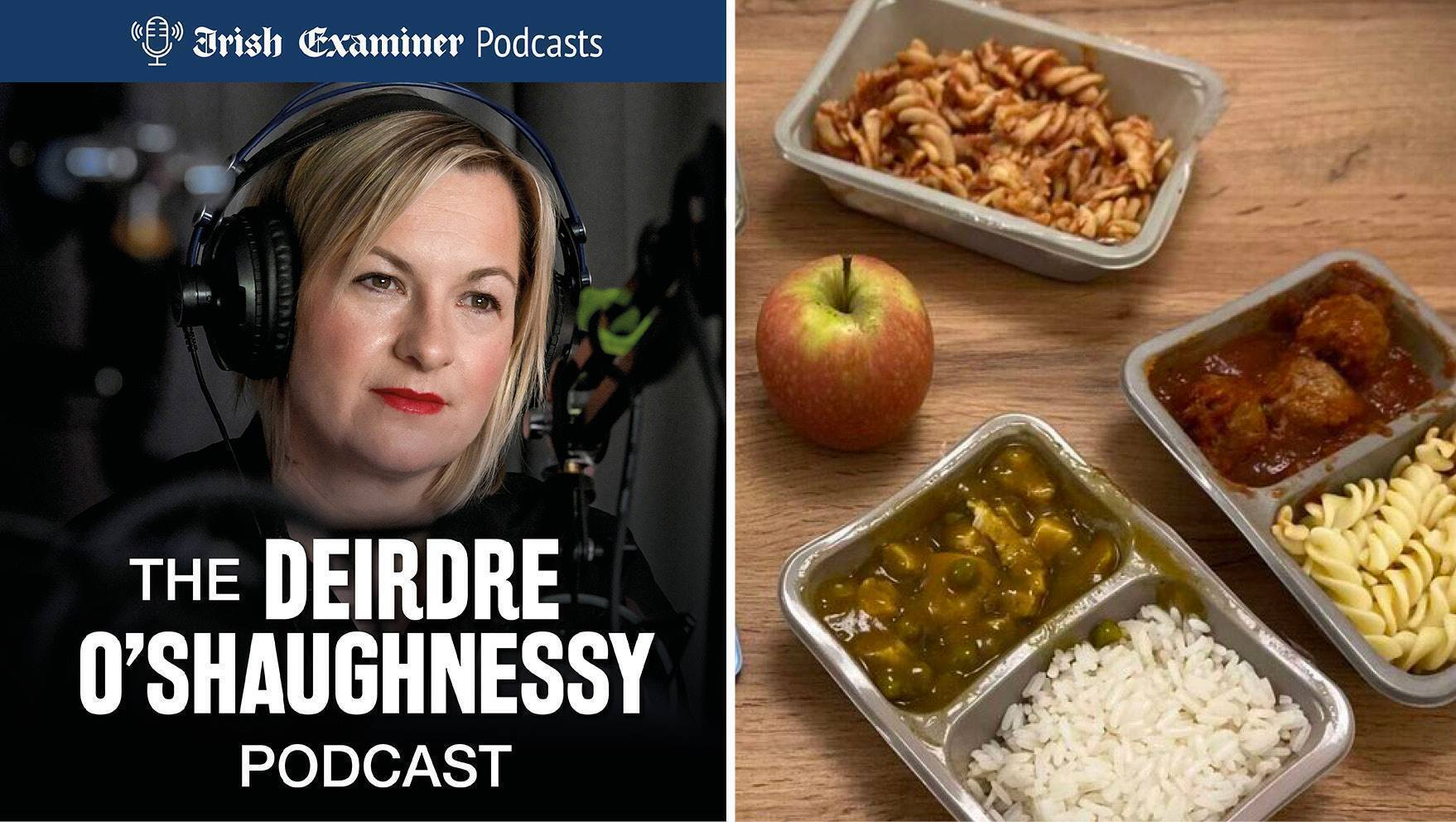
Hot School Meals: Michelle Darmody and Jolene Cox examine nutrition, food waste and what needs to change.
The €300m universal Hot School Meals Programme has been running nationally for a full year, and a review of the scheme brought to Cabinet this week highlights serious issues with nutritional value and food waste.
Critics have been highlighting these problems, along with issues such as trucks of pre-cooked food being transported across the country and the use of 100 million disposable packaging items each year.
The Government has responded to the review by committing to provide a cold lunch option each day and expanding the range of portion sizes. However, experts say the scheme needs to be re-examined from the ground up.
On today's episode of The Deirdre O'Shaughnessy Podcast, food writer and food policy expert Dr Michelle Darmody and children's cookbook author Jolene Cox discuss the scheme's teething problems and look at best practice in other countries.
Read More
The scheme was originally implemented to provide a hot meal with no stigma for children living in poverty, but, according to Ms Cox, it often does not reach those children.
“Just because a child is hungry doesn't mean they're going to eat just anything,” says Ms Cox, “and it's very condescending of us to say that it's those children that are eating the meals, you know, that they're so hungry.
“Like, what is such a disservice to the hungry child is that they're actually refusing it and they're going home. There's a meal put down there - the standard is that bad that they're actually not eating it.”
Dr Darmody has conducted extensive research into how other countries operate school meal schemes – she has visited schools where food is sourced locally and cooked onsite.
“In the report yesterday, when you kind of take a deeper dive into it, only 7% of the meals meet the five basic nutrition standards that they have set themselves,” she explains.
“14% of the meals meet the standard of serving of two veg or fruit, while 50% of the meals contain no vegetables at all. And 15% of the meals were still said to contain high salt, fat and sugar, even though the minister had announced in April 2025 these were banned,” she adds.
Community initiatives such as the Duhallow Community Food Hub provide a working model that other areas of the country could emulate, says Dr Darmody.
Listen to wherever you get your podcasts.

CONNECT WITH US TODAY



Be the first to know the latest news and updates