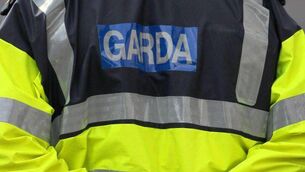
Number of problem gamblers in Ireland more than doubled in four years

Independent TD Ken O'Flynn said: 'These are people who have finally reached out and asked for help. Every extra day they wait is another day the gambling apps are still on their phone.' Stock picture
The number of problem gamblers in Ireland more than doubled in just four years, according to new treatment figures released by the HSE.
Last year, 352 people accessed publicly funded addiction treatment services where gambling was identified as the primary issue, up from 159 in 2021.
Where gambling was recorded as one of several issues presented by a patient, the number of cases almost trebled from 269 to 748 over the same period.
The increase in problem gambling varied across the HSE's six regions. In Cork and Kerry, case numbers declined gradually between 2021 and 2024 before more than tripling to 36 in 2025, according to figures released to Independent Ireland TD Ken O'Flynn in response to a parliamentary question.
Waiting times for treatment also varied across the country, with the longest average waits recorded in HSE South West and HSE Dublin and Midlands at 8.6 days and 10.7 days respectively. However, both represented significant improvements on 2024.
Read More
Mr O’Flynn, a TD for Cork North Central, noted that those affected in the South-West have “been waiting longer for help than almost anywhere else in the country”.
“In 2024, the average wait in the South-West was more than 2.5 times the national figure,” he said.
“These are people who have finally reached out and asked for help. Every extra day they wait is another day the gambling apps are still on their phone."
The HSE said the increase in people presenting for gambling treatment “may have” resulted from the receipt by the National Social Inclusion Office of €1m in funding from the Department of Health in 2023 and 2024.
A spokesperson said the rise “would be in line with expectations for any new service provision”.
They added that variations in waiting times across regions “could be due to many reasons, including changing service demand and capacity”.
They said: “Figures are expected to increase due to factors such as increased awareness and mental health literacy and decreased stigma.”
Research undertaken by the Economic and Social Research Institute from 2023 estimated that roughly 130,000 adults in Ireland, or 1 in 30 people, experience problem gambling.
The figure is more than 10 times higher than previous speculations on the prevalence of the issue here.
Colin O’Gara, a consultant psychiatrist specialising in addiction, said the figures indicate that more people are seeking treatment, but are unlikely to be an accurate indicator of the prevalence of problem gambling.
“If more people are attending treatment then those of us in the field would say that’s fantastic. What the figures do show is that we have a significant problem,” he said.
“This is a notoriously difficult condition to engage people in treatment given the high stigma.
"Typically only one in 10 people who are affected by severe gambling disorder will end up in treatment.”
Addressing regional variations in waiting times, Prof O'Gara said similar disparities existed in other areas of healthcare.
"There is a postcode lottery in terms of treatment," he said, noting that people in some parts of the country are able to access prompt care, while those in other regions face significantly longer waits.
“There is a long, long waiting list and there are resource issues there."

CONNECT WITH US TODAY



Be the first to know the latest news and updates