Budget 2027: 'You will see more hauliers going to the wall'
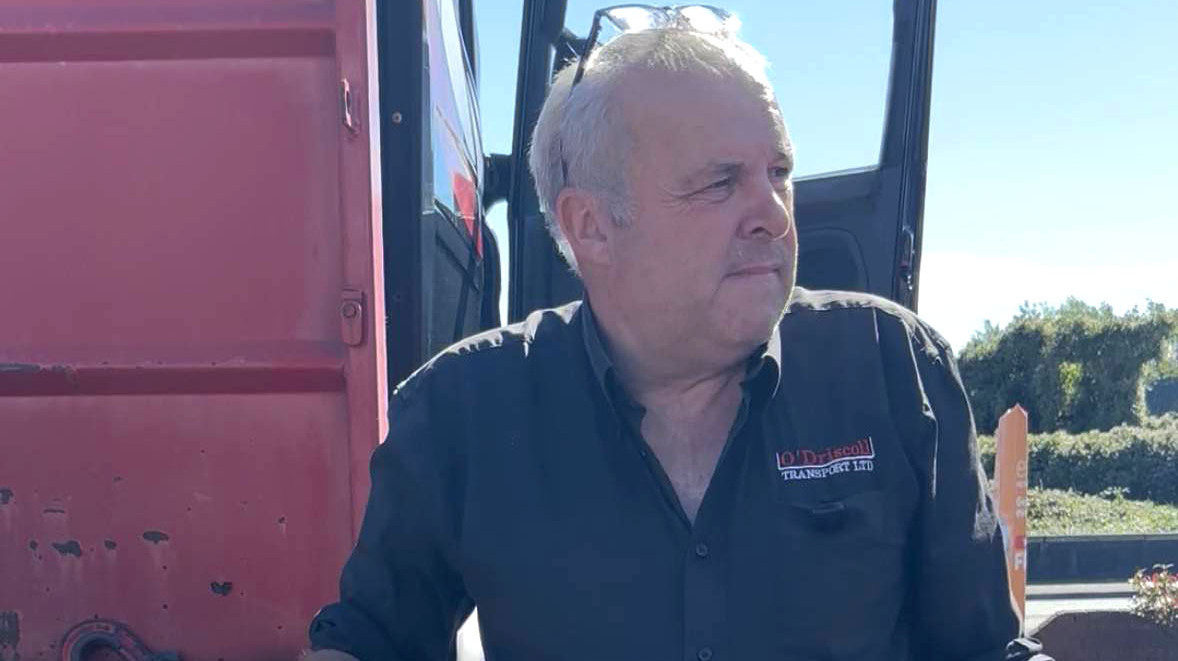
Tony O’Driscoll, who is chairperson of the Cork branch of the Irish Road Hauliers Association (IRHA), said the only option to sustain his business is to pass unpopular price hikes onto clients.
In a climate of spiralling fuel costs, few industries have been as hard-hit, and as vocal, as road hauliers.
AA figures show prices jumping from €1.72 in February to peaks of €2.14 in April. With prices still above €2, the war in the Middle East continues to put global fuel security in jeopardy.
Excise rates on fuel are due to be reintroduced until November 1 following Government deferrals.
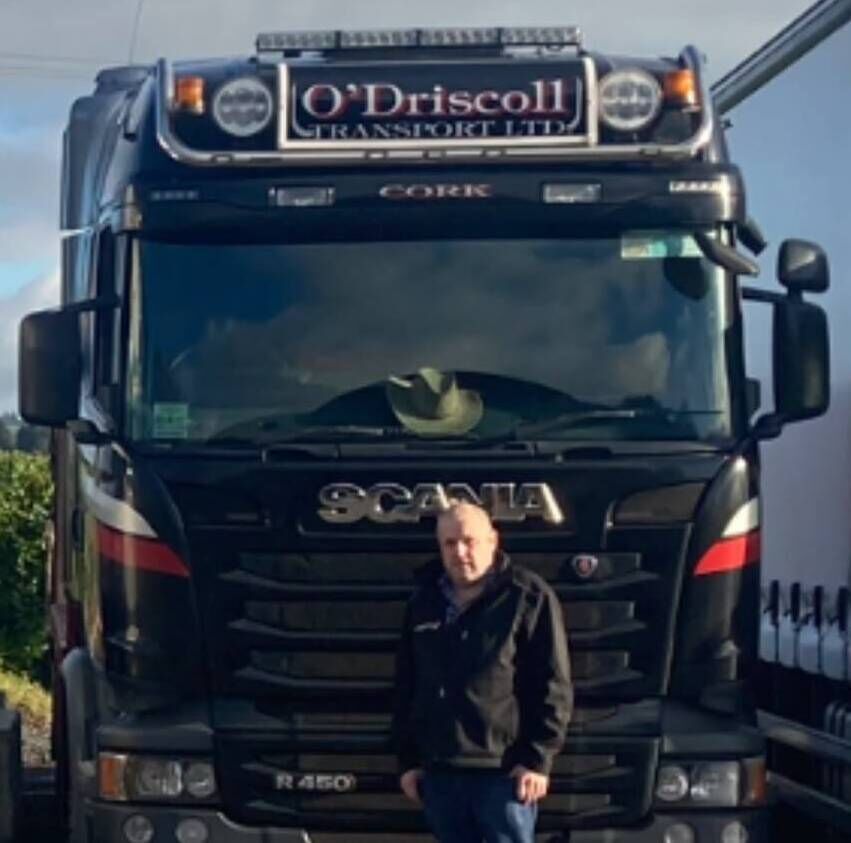
Tony O’Driscoll has worked in the industry for 23 years, shepherding machinery as well as cash and carry goods since he bought his first truck at 35.
He said his fleet of seven trucks and 12 vans burn around 50,000 litres of fuel a month. Spikes in fuel prices can present themselves as an existential crisis for the industry.
Mr O’Driscoll, who is chairperson of the Cork branch of the Irish Road Hauliers Association (IRHA), said the only option to sustain his business is to pass unpopular price hikes onto clients. He believes any business that fails to do so will eventually run bust.
“There doesn't seem to be anything steady,” Mr O’Driscoll said on fuel prices.
“You will see more and more hauliers going to the wall… be under no illusion. If they don't have increases from their customers, they will end up going to the wall.”
Since the beginning of his career he has navigated choppy waters, including the recession, but said this is one of the most acute episodes in his career. The industry may begin to struggle with generational renewal.
“The transport will always be done…It's just that the customers will have to work with you. If they don't work with you, it won't be there.
“The problem we have in our industry is that some young fella may go away and buy a truck and will only last for two years and then he’s gone.”
According to Mr O’Driscoll, an extended pause on the reintroduction of fuel excises is a welcome reprieve, but longer-term measures to ease away from volatile fossil fuels are lacking.
Ahead of October’s budget, the IRHA lobbied for a 24c rebate to be given to hauliers using HVO, a carbon-efficient biofuel comprised of hydrotreated vegetable oil. The IRHA cited a report by consultants Indecon that claims HVO is 83% more carbon-efficient than diesel.
Mr O’Driscoll said similar subsidies should be applied to AdBlue fuel, a urea-based diesel exhaust additive, and Euro Six vehicles — the most carbon-efficient vehicles on the European market.
“We shouldn't be paying any carbon tax on HVO, and that's the direction most hauliers want to go. They want to go on HVO, but there's two problems. The first problem is it’s too expensive. The second problem, we won't get a subsidy on it,” he said.
Based in Glanmire, Mr O’Driscoll employs around 18 people and said he is also burdened by the administrative costs of an SME doing business, including what he says is an excessive minimum wage.
“I think the government should never have increased the minimum wage… you can't say that to a lot of people, but what they should have done was adjusted the tax and the PRSI for them.
“The government needs to do something with the tax for the working man.”


CONNECT WITH US TODAY



Be the first to know the latest news and updates