Charity calls for targeted budget supports for older people living alone and those in energy poverty

'The reality of it is older people living on their own have twice the rate of at-risk poverty of any age group. When you talk about fixed income in an inflation world, they’re the people most at risk.
Every Government department “needs to change” to adapt to an ageing population, a national charity for older people has said.
Alone says an ageing population comes with more people living with multiple health conditions and increasing financial pressures around housing, heating and food.
The charity, which launched its annual report for 2025 on Tuesday, said its work shows ageing well at home improves lives and cuts healthcare costs.
Next Tuesday’s budget will be closely watched amid the inflated cost of fuel and groceries — as well as an increasing old-age dependency ratio which will put demand on the public finances through the rising costs for pensions, healthcare and social services.
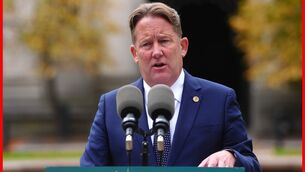
Alone chief executive Sean Moynihan said “not everybody ages the same way”.
“The reality of it is older people living on their own have twice the rate of at-risk poverty of any age group.
“When you talk about fixed income in an inflation world, they’re the people most at risk.”
Mr Moynihan said people on the State pension may only have discretionary spending for certain things.
“Over the last four years of inflation, people have been narrowing and narrowing their spending in these areas because the rest of their money probably goes on just surviving.
“That’s the budget ask for us. We’re always talking about targeting. Older people living on their own are one big targeting group, older people around energy, another big target group.
“Similarly around housing, we talk about 75% of older people out there own their own home but that means 25% don’t — and its dropping.
“Where are they living? How do you pay the rent when you retire? We’re not having these conversations — so transport, housing, health — every department needs to change because its customers have changed, if you want to put it that way.”
Alone’s annual report states the number of personalised needs assessments it carried out increased by 165% over the past three years.
It supported thousands of older people across its services in 2025 — with overlapping difficulties around health, housing, loneliness, and financial stress among the most common issues reported.
Alone reported 93% of its interventions were closed, with needs regarded as met.
It also cited research from the London School of Economics, which found people who received help from Alone were more likely to remain independent and well at home — with measurable improvements in their quality of life.
This was calculated as contributing €3.5m in savings.
On top of the 274,000 volunteer hours last year worth €8.5m, Alone said this delivers an estimated €12m in savings to the State every year.

CONNECT WITH US TODAY



Be the first to know the latest news and updates