Sarah Harte: How do we recognise periods at work without entrenching inequality?
Women’s working lives have changed a lot, but some assumptions formed in a very different employment landscape still influence workplace structures. This is not a ‘men are bad’ argument. It’s about institutional inheritance. These are high walls to breach.

We’ve come a long way since menstruation was something not openly discussed. The proliferation of period product ads on television is progress because it brings the issue into view.
But they do take a kind of ‘lean ar aghaidh, a chailín’ line with a distinct empowerment theme. Highly active menstrual women run, jump, dance, rollerblade, and do backflips, often in skimpy clothing.
It’s positive, encouraging women to be open about and proud of their periods, but this trope doesn’t square with the experience of many women who find themselves burdened with physical and psychological symptoms each month.
On this front, my colleague Jennifer Horgan did a searingly honest interview with Anna Geary on RTÉ Radio recently about how she struggled with premenstrual dysphoric disorder, or PMDD, which affects one in 20 women and can have seriously debilitating symptoms, both physical and psychological.
It’s a chronic form of premenstrual syndrome (PMS), which can lead to severe anxiety, irritability, and depression and may require medication for some.
Many other women may not suffer from PMDD, but their lived experience of menstruating is far from the joyous images we see on screen, which suggest a period is a mere inconvenience.
In fact, a new survey, the first of its kind in Ireland, has disclosed nearly a quarter of women often miss work due to menstrual symptoms.
The research from The Menopause Hub found more than one in three women who did not disclose a menstrual health issue at work said it was because there was no clear workplace policy in place. The survey involved a nationally representative sample of more than 1,000 women across different age groups.
It captures the impact of hormonal health on women working full-time by looking at menstruation, as well as fertility and motherhood, perimenopause and menopause.
Read More
The fact many workplaces have no clear policies in place indicates many women struggle through tough hormonal experiences, including their periods, without support.
If the workplace were already genuinely designed around the full range of human bodies and life stages, these policies wouldn’t be necessary in the first place. Their absence tells us something about how the workplace was designed.
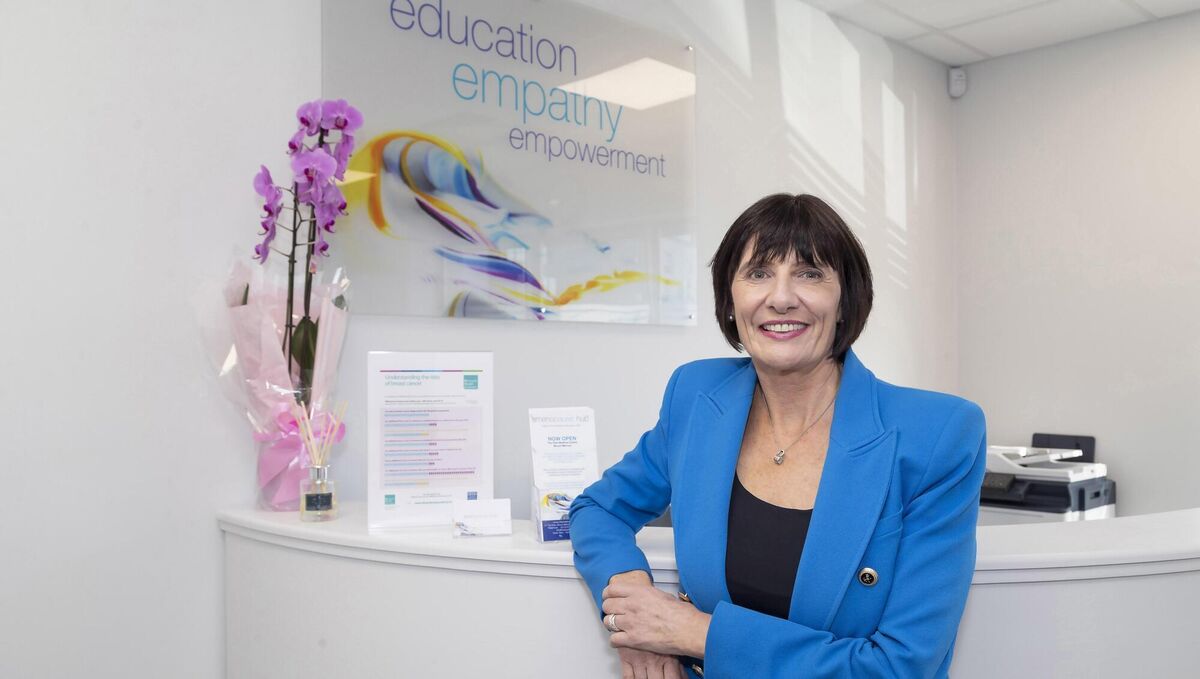
Menopause Hub chief executive Loretta Dignam was quoted in the as saying: "The fundamental point is that women are not ‘mini men’. Our biology is different, and workplaces that were largely designed around a male model of health and working life need to evolve to recognise that."
That’s where I find myself momentarily conflicted. Conflicted is going too far, perhaps. It’s more like a slight unease.
At a time when the United Nations Women data 2025 describes a "pervasive backlash" against women’s rights, I’m wary of giving employers any grounds to depict women as unreliable, with poor or lowered concentration and productivity.
This could potentially allow employers to take those differences into account when assessing performance.
So, a gender-based difference in absenteeism becomes a stick to beat female employees with.
On the other hand, there’s possibly a logical flaw in my argument because ‘menstruation can sometimes affect productivity or even presence’ does not equate perfectly with ‘women are less reliable employees’. It’s maybe like saying if migraine sufferers need time off work, then we conclude that all migraine sufferers are unreliable employees.
My reservations could be linked to my core cultural conditioning too, meaning I fall prey to unconscious, outdated attitudes.
For context, I began my working life as a trainee solicitor in the late 90s. I was several months into the job before a new workplace policy was introduced allowing us to wear trousers. So, you were definitely skulking around the place in a skirt with a tampon hidden up your sleeve.
Presumably, we can create workplace policies that accommodate some employees without stereotyping the entire group.
For me, what is particularly interesting in Dignam’s statement is the assertion or appeal that we shouldn’t treat male physiological norms as the universal standard.
If you’ve ever worked in a corporate environment or company, then unless you’re asleep at your desk, you’ll probably have figured out that while, on the surface, companies or institutions can appear neutral, they’re often anything but.
Work institutions historically evolved when men disproportionately held economic, political and therefore institutional power. If women had been in boardrooms and on the ‘shop floor’ from the get-go, working norms, practices, and attitudes surely would have evolved differently.
But they weren’t, so women have had to fit the workplace, not the other way around.
Women’s working lives have changed a lot, but some assumptions formed in a very different employment landscape still influence workplace structures. This is not a ‘men are bad’ argument. It’s about institutional inheritance. These are high walls to breach.
If you’re being really cynical about it, or maybe just realistic, you could say implicitly the ideal worker remains someone whose body and domestic life do not interfere with the demands of employment.
In fact, you could say the ideal employee would have a traditional wife at home to carry out vital unpaid domestic labour.
This is far from a niche issue with, according to the research, more than eight in 10 women saying hormonal health has impacted their working life.
"For too long hormonal health has been treated as a ‘private or personal issue’, "when the reality is that it has a very real impact on women’s working lives," says Loretta Dignam.
So, do we challenge the idea that reproductive biology is not a private issue that must remain outside the workplace?
We do, because if we don’t, female workers experiencing those differences are expected to absorb the consequences privately. But we try to do so in a way that acknowledges biological differences without turning those differences into evidence of female inadequacy.
Maybe I’m wrong here, and I’d love to know your views, but it feels to me like a necessary tightrope to walk, while recognising female biology without defining women by their biology.

CONNECT WITH US TODAY



Be the first to know the latest news and updates