Number of days of heavy rainfall could increase by 56% due to climate change, experts warn
Experts call for adaptation measures to support those people most vulnerable to extreme weather.
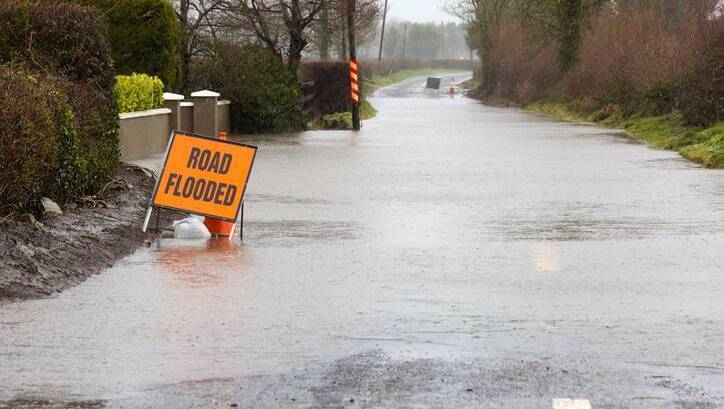
By the end of the century — under a high-emissions scenario — the number of heavy rainfall days Ireland endures could increase by 56%, experts claim.
They will tell the Oireachtas climate committee on Wednesday the country faces wetter winters, heavier rainfall and prolonged dry spells.
Extended dry periods in summer are projected to increase by 20%, while more frequent heatwaves will increase the risk of heat stress.
Maynooth University researcher Claire Bergin will tell TDs and senators that climate change “is no longer a future problem".
"The record-breaking summer we experienced this year in Europe is likely to be seen as a cooler summer in the future if we burn fossil fuels," she will say.
“As a nation, we must put in place adaptation measures to support those people most vulnerable to extreme weather,” Ms Bergin will say.
She will call for greater action to prepare homes, healthcare services and communities for extreme weather.
Read More
Ms Bergin will say homes must be adapted not only to retain heat in winter but also to “allow houses to cool and breathe during the warmer summer months".
“In addition, care facilities, such as nursing homes and hospitals, must be equipped to look after the likely increased rate of heat-related illnesses,” she will say.
Community facilities must also help people to “cool down to proactively prevent an increase in admissions to healthcare facilities with heat-related illnesses”.
Ms Bergin will also warn of the combined risks of heavy rainfall and coastal flooding, saying she would not be surprised if “in the next few years, saturated soils and high river levels coincide with a storm bringing rainfall to coastal communities during a high spring tide".
“If a storm surge were to also coincide with such a coastal flooding event, and no long-term preventative measures were installed in said coastal communities, I could not personally fathom the financial cost of repair, much less the human cost,” Ms Bergin will add.
The Irish Centre for High-End Computing, which works with Met Éireann and contributes to climate research, will call for continued investment in national advanced computing infrastructure, including supercomputers, large-scale storage and specialist expertise, to maintain and produce high-resolution projections of Ireland’s future climate under different greenhouse gas emissions scenarios.
CLIMATE & SUSTAINABILITY HUB
CONNECT WITH US TODAY



Be the first to know the latest news and updates