A quarter of women in survey missed work due to menstrual symptoms
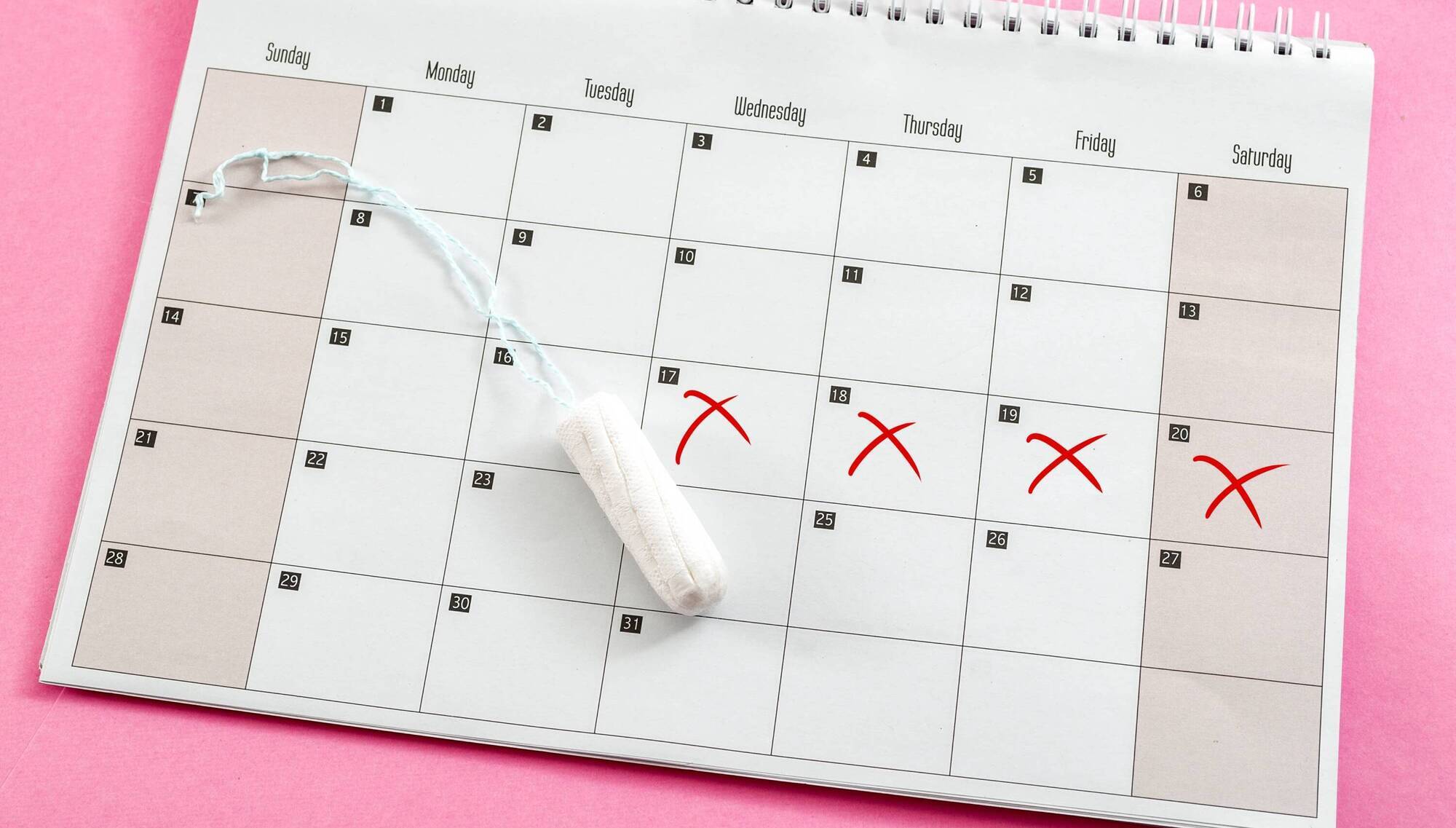
The study examined the impact of hormonal health across women in full-time work by looking at menstruation, fertility, motherhood, and menopause. Picture: iStock
Nearly a quarter of women often miss work due to menstrual symptoms, according to new research.
A survey, the first of its kind in Ireland, examined the impact of hormonal health across women in full-time work by looking at menstruation, fertility and motherhood, and perimenopause and menopause.
Research from The Menopause Hub found over one in three women who did not disclose a menstrual health issue at work said it was because there was no clear workplace policy in place.
Over a quarter of respondents added that they did not think their concerns would be taken seriously, while 22% cited embarrassment and 18% feared being judged.
Nearly half of respondents felt better workplace support would have made them feel less stressed, while 40% said it would have made them feel more valued. Some 36% said they would have felt more comfortable speaking up.
Read More
Looking into menstruation, some 76% of women said they experienced menstrual health issues, with 23% of those often missing work due to symptoms.
Also, nearly half of respondents (49%) said they felt uncomfortable talking about menstruation at work.
One respondent said: “As a woman, we try to get through the day, sometimes in pain that can’t be seen. We feel emotionally and physically drained.”
The research also found that 62% of those who experienced baby loss had a moderate or significant impact on work attendance. Over half of respondents who experienced depression during pregnancy said the same.
Some 63% of mothers said it was “difficult” to return to work after pregnancy, while nearly half said their maternity pay arrangement impacted their financial wellbeing negatively.
One respondent said: “I almost walked away. The only reason I stayed was because I had to provide for my family.”
Meanwhile, the research also found that nearly half of respondents said menopause had some impact on their attendance, with over six in 10 reporting an impact on their work performance.
Some 44% of women said they were “uncomfortable” discussing perimenopause and menopause at work.
One person said they were “already terrified of losing my job at my age:
Menopause Hub CEO Loretta Dignam, said women’s hormonal health has been treated as a “private or personal issue” for too long, “when the reality is that it has a very real impact on women’s working lives".
“The fundamental point is that women are not ‘mini men.’ Our biology is different, and workplaces that were largely designed around a male model of health and working life need to evolve to recognise that.
“What is striking is how many women continue to show up, perform, push through and progress at work while managing significant physical and emotional symptoms, often without the policies, understanding or practical support they need,” Ms Dignam said.
She added that because expectations are changing, Gen Z and Gen Alpha employees will be “far less willing than previous generations to accept workplaces that ignore their health and wellbeing".
Read More
CONNECT WITH US TODAY



Be the first to know the latest news and updates