More than 60% of river flows fell below normal range last month, EPA finds
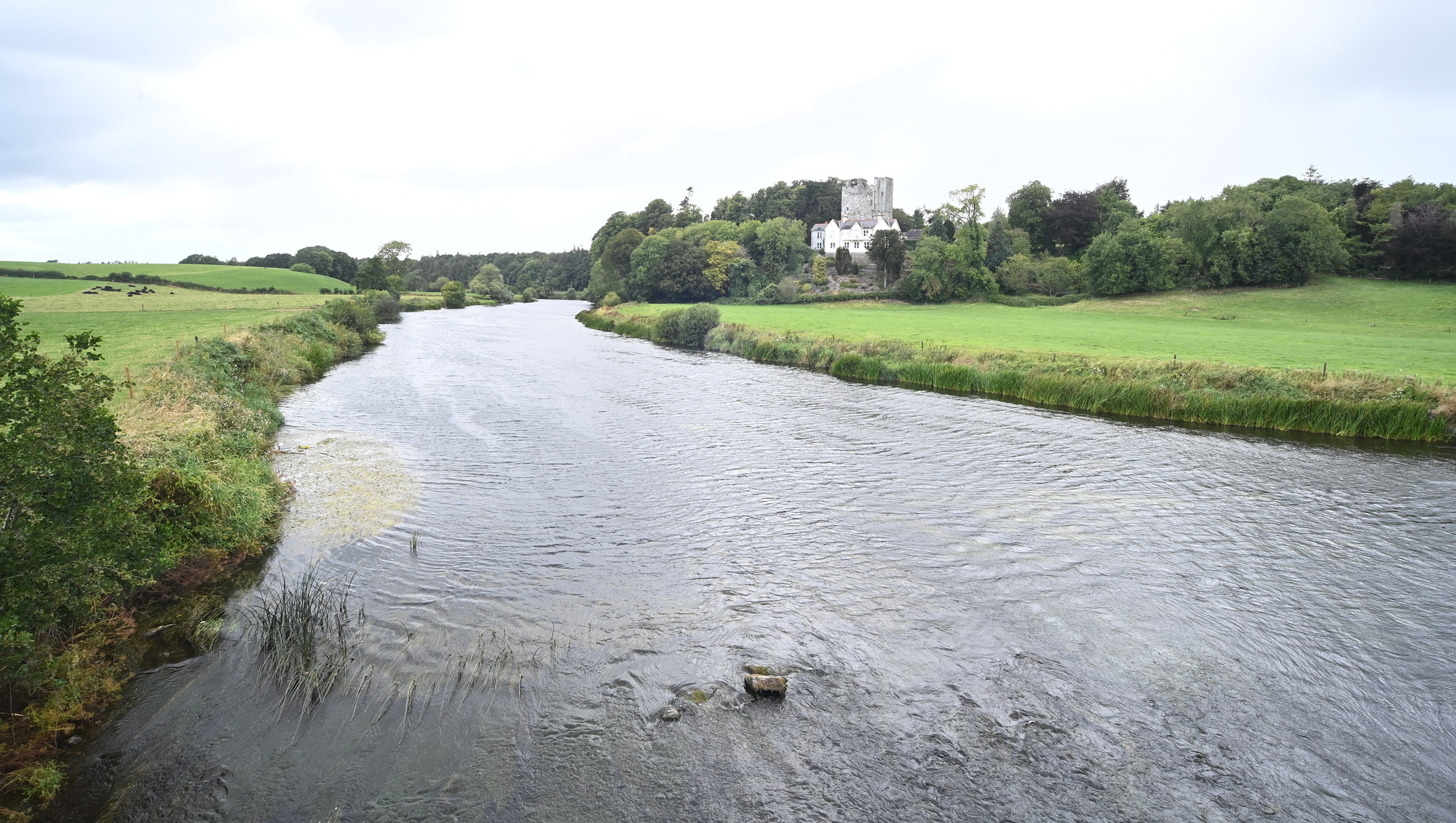
The River Blackwater at Ballyhooley, Co Cork The River Blackwater was among the worst affected, with flows at one monitoring point reaching just 37% of the river’s monthly average. File picture: Larry Cummins
More than 60% of the monthly average river flows across Ireland were below the long-term normal range last month, as drought conditions affected much of the country.
The River Blackwater was among the worst affected, with flows at one monitoring point reaching just 37% of the river’s monthly average.
The Environmental Protection Agency (EPA) said the exceptionally dry and warm weather experienced in July had a “clear impact on river flows across Ireland”.
“With drought conditions affecting much of the country, average river flows decreased at all monitoring stations assessed, with 60% of monthly average river flows below the long-term normal range,” it said.
The EPA monitors 132 river sites across Ireland. Of these, 27 were classified as “particularly low”, 53 as “below normal”, and 50 as “normal”. The agency said the rivers classified as particularly low were widespread across the country.
In the hydrometric stations in Cork, the Blackwater river at Killavullen was classified as having a “particularly low” river flow, while at Mallow Railway Bridge it was “below normal”.
Read More
The Awbeg, Owennacurra, Bandon and Ilen rivers were also classified as below normal for July.
Lake and turlough levels also decreased at almost all monitored sites, with the EPA saying 36% were below the long-term normal range.
Compared with June, average water levels at monitored lake sites decreased by 96% in July. Among the 28 lakes and three turloughs monitored, two were classified as “particularly high”, four as “above normal”, 14 as “normal” and 11 as “below normal”.
Groundwater levels also decreased at all monitoring locations, with 47% below the long-term normal range.
Of the five spring flows monitored, three were classified as “normal” and two as “particularly low”.
Meanwhile, Uisce Éireann said that while water demand has fallen in a number of areas, many of its water sources “remain under pressure” and will take some time to fully recover.
“With the weather predicted to remain warmer and drier than normal for the coming weeks, we are appealing to the public to continue to do what they can to reduce unnecessary water use,” a spokesperson told the Irish Examiner.
“Every drop counts, and simple steps such as taking shorter showers, fixing leaks and leaking toilets, and avoiding the use of hosepipes or sprinklers in the garden can make a big difference. We are also encouraging people to report any leaks they see in public areas so repairs can be carried out,” they added.
Uisce Éireann said it will continue to monitor the situation across the country in the coming weeks.
The hosepipe ban remains in place until August 26.

Check out the Irish Examiner's WEATHER CENTRE for regularly updated short and long range forecasts wherever you are.
CONNECT WITH US TODAY



Be the first to know the latest news and updates