Rural Ireland Thinks: Voters split on lifting Ireland's ban on nuclear energy
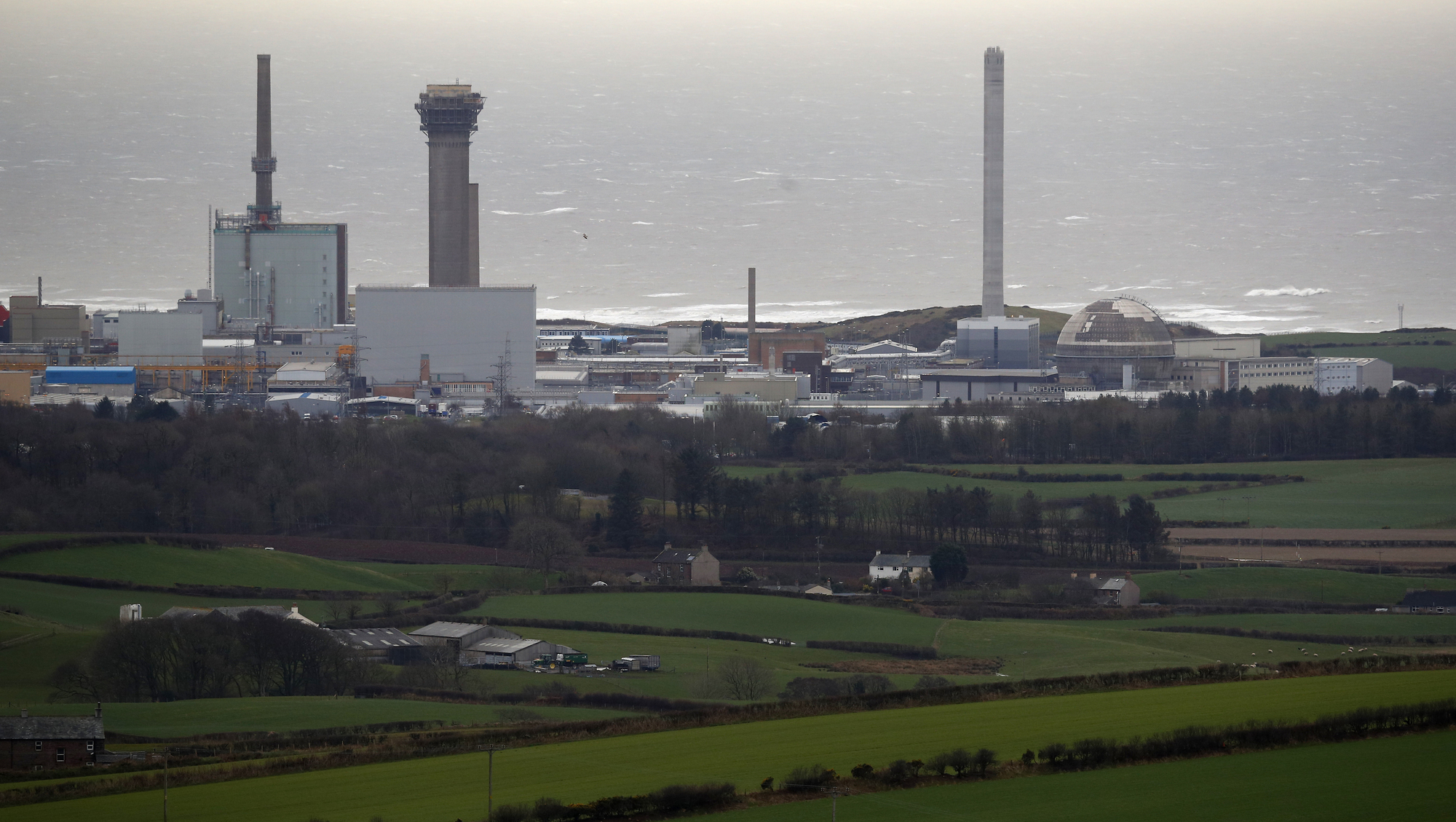
Sellafield nuclear power plant in England. Cork East Fianna Fáil TD James O’Connor said Ireland is already exposed to nuclear hazards due to the island’s proximity to nuclear plants in the UK and France, but fears haven’t been realised because of developments in safety standards. File picture
As war in the Middle East continues to churn and fuel prices spiral, the possibility of lifting Ireland’s nuclear energy ban is being broached by lawmakers, but rural voters appear split on the notion.
According to the latest results from the ’s Rural Ireland Thinks poll, 39% of residents in rural Ireland would support a lift on Ireland’s nuclear ban, while 37% would oppose any potential move. The remainder were either neutral on nuclear or lacked a formulated opinion.
Younger generations were generally the least likely to back lifting the ban, with 29% of 16-24-year-olds and 34% of 25-34-year-olds in favour of nuclear.
Despite some coming of age during high-profile international nuclear accidents, 35- to 49-year-olds (46%) were most likely to support reversing the ban.
In May, Cork East Fianna Fáil TD James O’Connor introduced a bill to the Dáil that would repeal Ireland’s nuclear ban that was put in place in 1999. He said the results of the poll reflected the populace moving to a “more balanced consensus” on nuclear power.
CLIMATE & SUSTAINABILITY HUB
“There is a huge case to be made that the reduction of carbon in the environment and atmosphere by using nuclear power as a method of electricity generation versus that of traditional fossil fuels would actually save tens of thousands of lives every year,” he said to the .
The bill is expected to be debated in the upcoming Dáil term. Ireland’s nuclear ban was first put in place following a swathe of high-profile international nuclear accidents.
Mr O’Connor said Ireland is already exposed to nuclear hazards due to the island’s proximity to nuclear plants in the UK and France, but fears haven’t been realised because of developments in safety standards.
Pádraig Lyons, Head of the International Energy Research Centre at UCC’s Tyndall Institute, said “there’s definitely a chance” nuclear power could become mainstream in Ireland.
That chance hinges on a host of factors, including Ireland, overcoming historic deficiencies in delivering large-scale infrastructure.
“Getting the planning and getting the economics right are big factors in it being slowed up, and money and planning and social acceptance will be significant factors in moving any nuclear plant forward,” Mr Lyons said.
Mr Lyons said a typical nuclear power station produces around two gigawatts, which would account for around a third of Ireland’s present energy demand.
“The costs are pretty eye-watering. They've actually become more eye-watering as well since Fukushima because the safety requirements have become more and more stringent, which is great, and it's made nuclear safer. But of course, that led to the costs," he said.
Taoiseach Micheál Martin and Tánasite Simon Harris have both signalled a willingness to advance discussions around nuclear energy.
In a statement to the , a spokesperson for the Department of Climate, Energy and Environment said it was important Ireland focus on “already-proven technologies” while conceding a need to consider all options.
“Experience in other European countries suggests that the development of traditional nuclear power plants in particular takes many years,” the department spokesperson said.
“It also requires the creation of an extensive regulatory system that does not exist in Ireland at this time. Therefore, nuclear power could not practically be part of our electricity system until at least the 2040s.”
A technical study has been commissioned by the Sustainable Energy Authority of Ireland to examine 30 different potentially decarbonising technologies, including nuclear.
- This report was funded by the News Reporting Scheme
CLIMATE & SUSTAINABILITY HUB
CONNECT WITH US TODAY



Be the first to know the latest news and updates