Child protection expert sounds note of caution on EU proposal to ban social media for under-15s
The special rapporteur on child protection, UCC's Dr Aisling Parkes, has warned that introducing an age limit at which children can set up their own social media accounts carries the risk of cutting off young people from having an input and restricts freedom of expression. File photo.
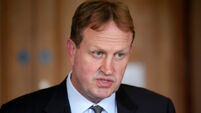
The special rapporteur on child protection, UCC's Dr Aisling Parkes, has warned that introducing an age limit at which children can set up their own social media accounts carries the risk of cutting off young people from having an input and restricts freedom of expression.
The issue was very complex, she said.
According to international obligations, under the Committee on the Rights of the Child, the recommendation was that an "individualistic approach" should be taken, "looking at each individual child according to their own age, circumstances, and evolving capacities," Ms Parkes said.
"But when you introduce an age limit, you're automatically, I suppose, cutting off the people or the younger children, if you like, from having any input".
Read More
The European Commission this week is set to unveil its landmark EU Kids Act under which children across Europe will not be allowed to set up their own social media accounts until they are 15 under a new tiered age system designed to limit access among minors.
The act is designed to set uniform age limits for children and impose safe design requirements on companies such as Meta and TikTok.
The policy will also impose similar rules on artificial intelligence (AI) chatbots.
Ms Parkes told RTÉ radio’s that it was important to listen to children “in this space.”
“The children of today and the young people of today are the actual real experts in terms of what they want to access, how they want to access it. And I think an approach that is multi-pronged is important.
“It's not just enough to say, right, we're going to ban this or we're going to exclude this group of children.
“I think we need to educate children. I think we need to place significant responsibilities on those online platforms.
“I don't think it's fair to restrict children.”
In August the French Constitutional Council ruled that introducing a ban was impacting the right to freedom of expression, in a way that wasn't appropriate, necessary or proportionate.
“So I do think we have to be balanced here," Ms Parkes said.
“And I think we need to put the responsibility on the big companies that have the resources to ensure that they do things in a way that is ethical and appropriate for children and young people.”

CONNECT WITH US TODAY



Be the first to know the latest news and updates