Research indicates 'likelihood of dying from cancer in Ireland is decreasing'
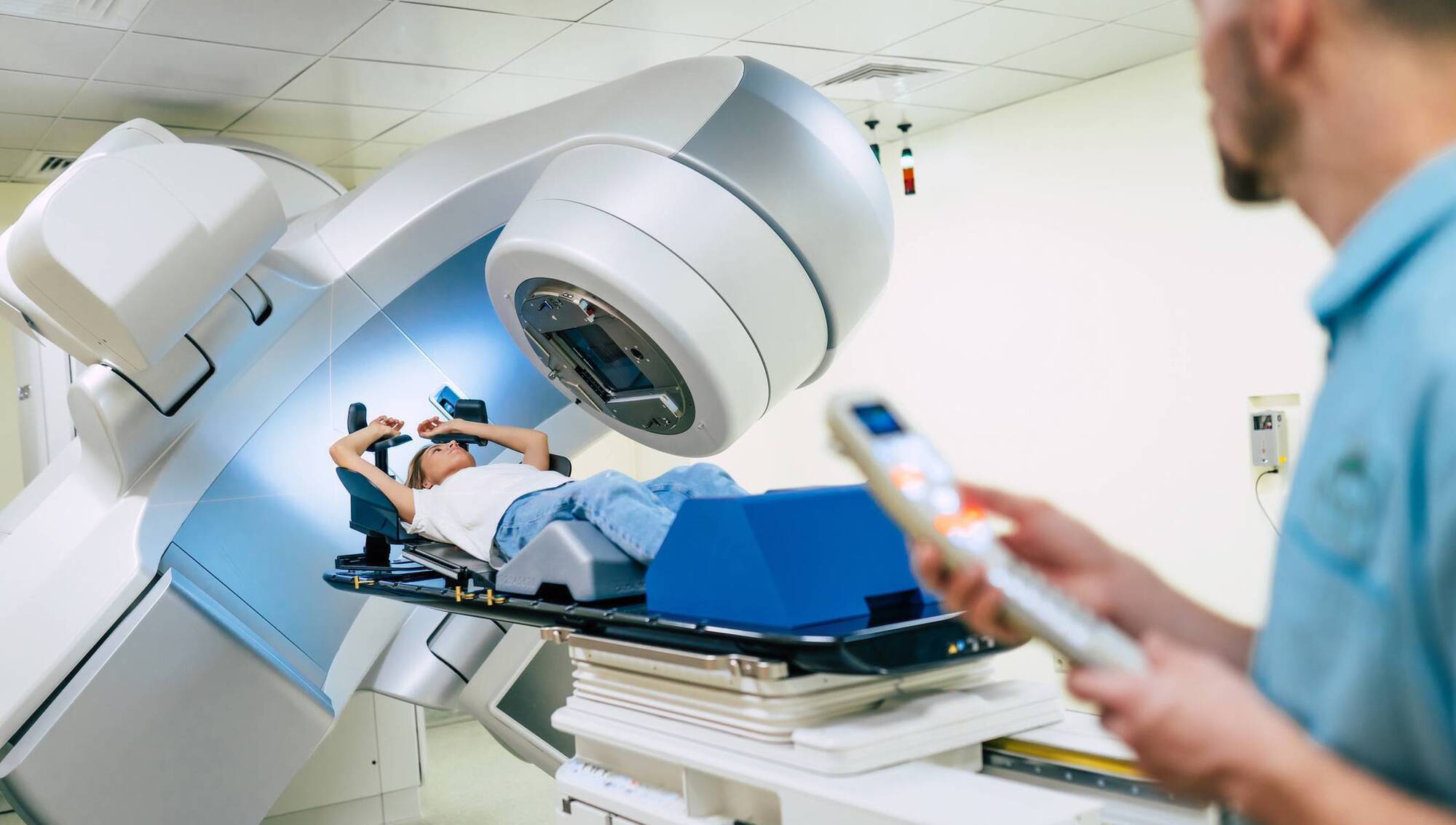
The NCRI figures show better access to early diagnosis impacted patients with multiple myeloma, prostate cancer, cervical and colorectal cancers. File photo: iStock
Up to 95% of patients are now surviving some cancers five years after diagnosis, new research has found.
The National Cancer Registry of Ireland (NCRI) has detailed how survival rates have improved over the last 30 years. The NCRI urged caution when interpreting the implications of data showing the number of cancer cases rising in Ireland.
“This increase, however, is largely explained by demographic change rather than any increase in risk, and the figure can sometimes be misinterpreted,” the report found.
The population grew from 3.6 million in 1994 to 5.3 million in 2023. “NCRI analysis shows that, after adjusting for age and population size, cancer incidence rates have declined in both men and women,” the report found.
Dr Theresa Redaniel, acting director at the NCRI, said: “The overall picture from this report is a positive one. The likelihood of dying from cancer in Ireland is decreasing, and survival rates are improving across many cancer types.
"These sustained improvements reflect progress in earlier diagnosis, and significant advances in treatments.
This has meant very real differences for patients, Dr Redaniel said. “Twenty years ago, only half of patients diagnosed could expect to be alive five years after diagnosis,” she said.
“Today, two-thirds can, with survival for some cancers as high as 95%. That is a significant change and highlights again the advances we have made in prevention and earlier diagnosis.”
The NCRI figures show better access to early diagnosis impacted patients with multiple myeloma, prostate cancer, cervical and colorectal cancers. However, she called for a continued focus on cancer care.
“These results show what can be achieved through sustained development in cancer care, but they also highlight where more work is needed,” she said.
“Continued investment in early detection, treatment, and survivorship services will be essential to sustain progress and address cancers where outcomes are not improving."
Dr Redaniel called for actions to feed into work on the new national cancer strategy for the next decade.
CONNECT WITH US TODAY



Be the first to know the latest news and updates