Fear of 'getting it wrong' deters firms from hiring disabled workers
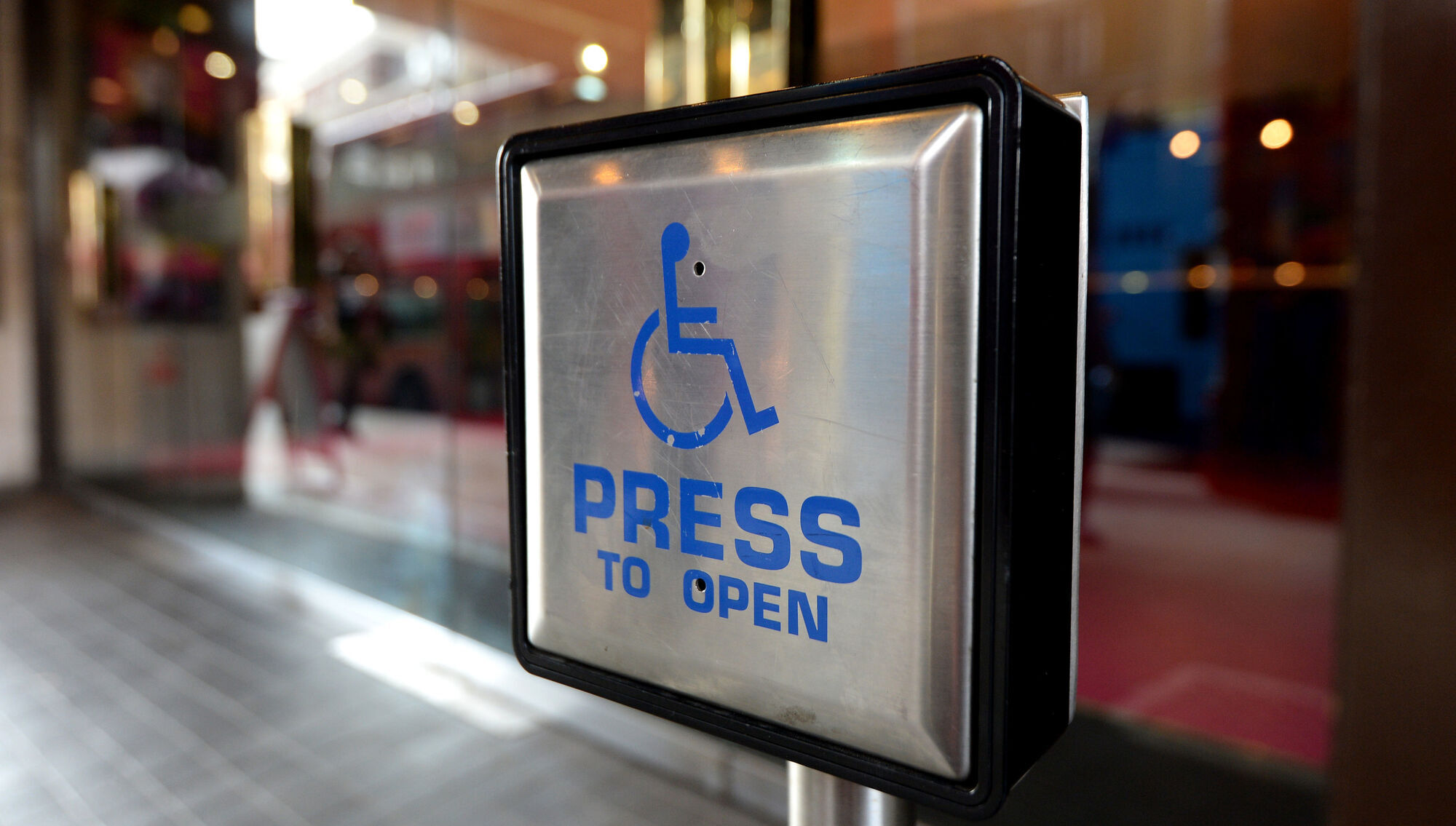
Ireland has one of the worst disability employment records in the EU, with less than half of working-age people with disabilities holding jobs.
Fewer than one in 10 employers are "very confident" about hiring neurodivergent people or people with disabilities, with fears of "getting it wrong" limiting employment opportunities, new research suggests.
Ireland has one of the worst disability employment records in the EU, with less than half of working-age people with disabilities holding jobs. Recent figures from autism charity AsIAm indicated 85% of autistic people are either unemployed or underemployed.
Now Group, a social enterprise working with neurodivergent people and people with disabilities, has conducted a new survey of 150 employers.
It found more than half felt only "a little" equipped or "not at all" equipped to recruit and support neurodivergent people and employees with disabilities.
A quarter cited concerns of being insensitive during recruitment or in the workplace, while others pointed to a lack of clarity about how to reach neurodivergent candidates and people with disabilities.
Almost one in five employers said they would not know how to accommodate neurodivergent employees or workers with disabilities in the workplace. A further 15% said they were unsure how to support such candidates during the recruitment process.
Read More
“[Businesses] need talent, but they just haven't really considered the population of people with disabilities because they're just so afraid of getting it wrong,” Now Group chief executive Maeve Monagahan told the .
“Businesses are so busy doing their day job, trying to make money, trying to pay their employees, trying to meet the requirements of shareholders.
“The day job is busy, and it just seems maybe more difficult and maybe a bit overwhelming to look at how they would provide that ongoing support [to neurodivergent and disabled employees].”
Amy Dowley, 28, who now works at Circle K and is an ambassador for the Now Group, was diagnosed with borderline/severe dyslexia while she was in secondary school.
“When I was in junior school, I found it very hard like to understand what the teachers wanted me to do… and they thought I was using it as an excuse like not to do any work or anything.”
The severity of her dyslexia meant she was claiming social welfare as it affected her ability to work, but that in turn hampered job opportunities.
“Every time I would go into a job, and I had tell them I had to work a certain amount of hours because I was on social welfare,” she told the .
“It kind of felt like they were judging me because I was on that, so it felt very hard, and it was bringing down my confidence in myself, saying, ‘Would I ever get a job at all?’
While Ms Dowley said it was amazing to be part of the workforce, she said barriers still existed for people with disabilities applying to jobs on their own without the help of a support group.
“For a few friends of mine, they did things themselves, and I think they did struggle to try and find jobs,” she said.
CONNECT WITH US TODAY



Be the first to know the latest news and updates