Employees with disabilities bring a lot to the table: ‘With the right support, there are so many jobs’
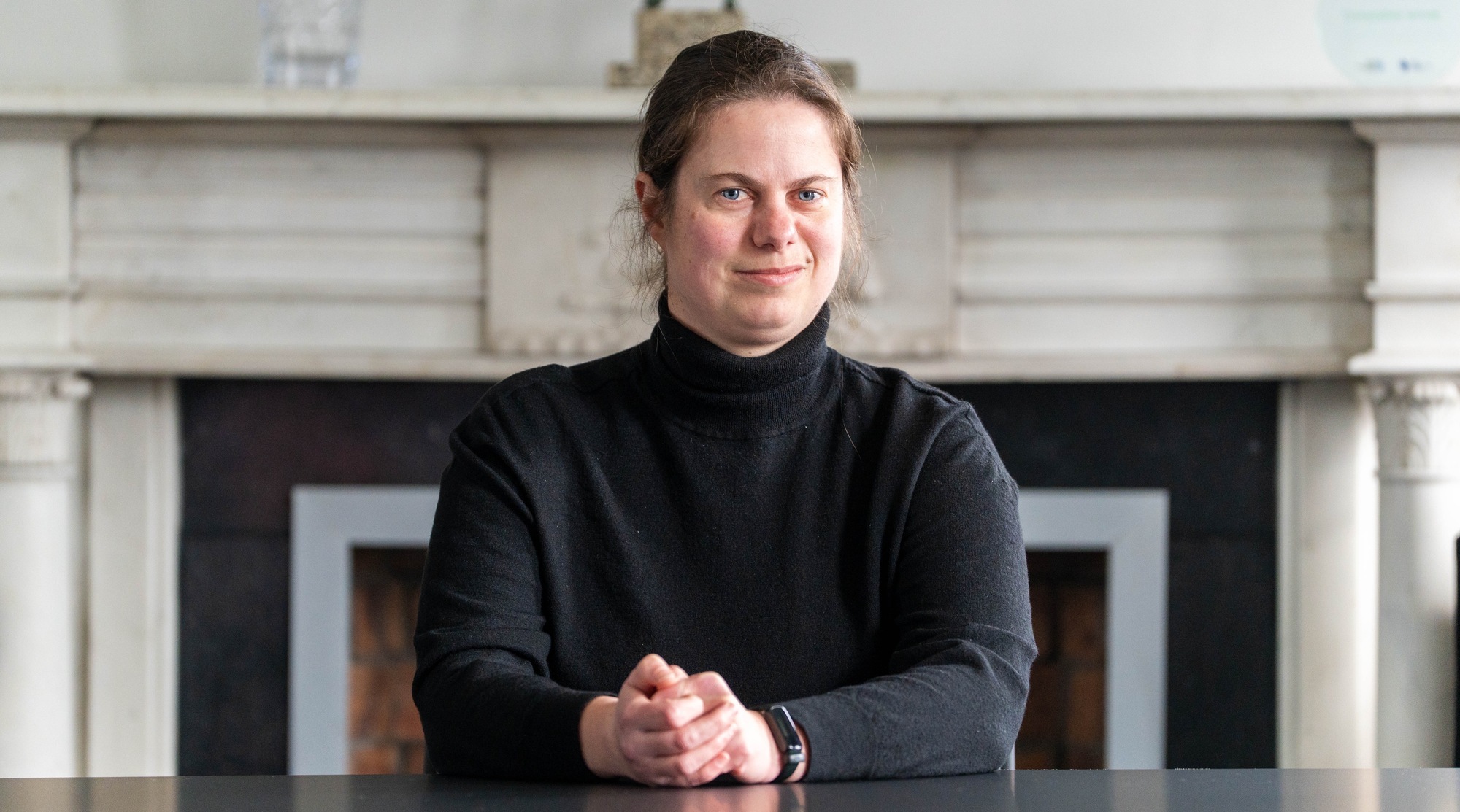
Ruby Hardy Brown, who works part-time in the Cork Chamber and as a barista, thanks to the support of Ability@Work. Picture: Noel Sweeney.
Ruby Hardy Brown, a 32-year-old from Cork, has a learning difficulty and she didn’t have much success when first looking for a job.
“I lacked experience and didn’t know how to go about it,” she says.
However, thanks to Ability@Work, she now has two part-time jobs, one as an office assistant in the Cork Chamber of Commerce and the other as a barista.
“I’ve been at the Cork Chamber for almost 10 years and in the coffee shop for five or six years,” says Hardy Brown.
“I love both. I enjoy the variety in my days, meeting new people, interacting with customers and coworkers, and having the opportunity to learn new tasks and continue building my skills.”
She believes she wouldn’t have got either job without the support of her job coach: “She helped me find roles that matched my skills and strengths, prepare my CV so I could apply for them, and practise interview skills. She really built up my confidence.”
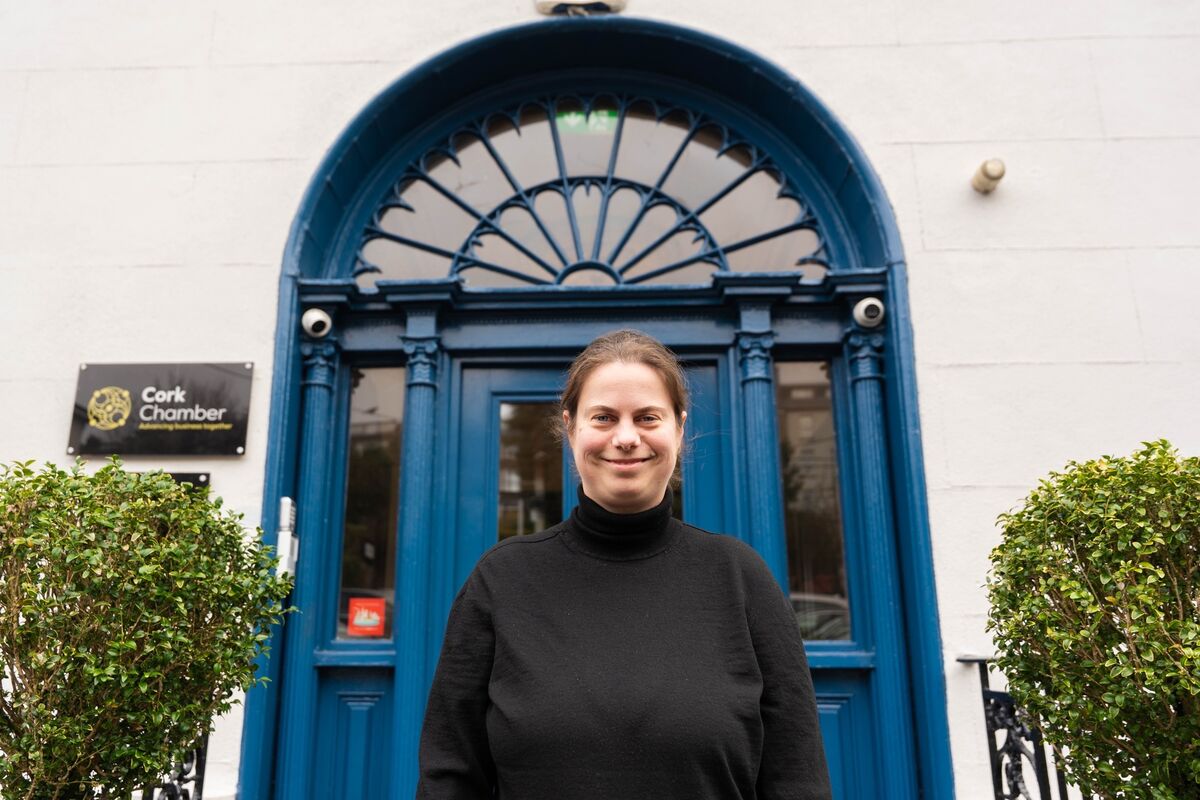
Marian Hennessy is the manager of Ability@Work, a programme run by Horizons Cork that helps people with intellectual disabilities access the workforce.
She explains that everyone is assigned a job coach when they join the programme.
“That coach works with them over a period of weeks or months to map out an employment plan based on their likes and dislikes, abilities, skills and training needs.
“Then they guide them through the job search, and provide them with ongoing support until they are settled and can do their job independently.”
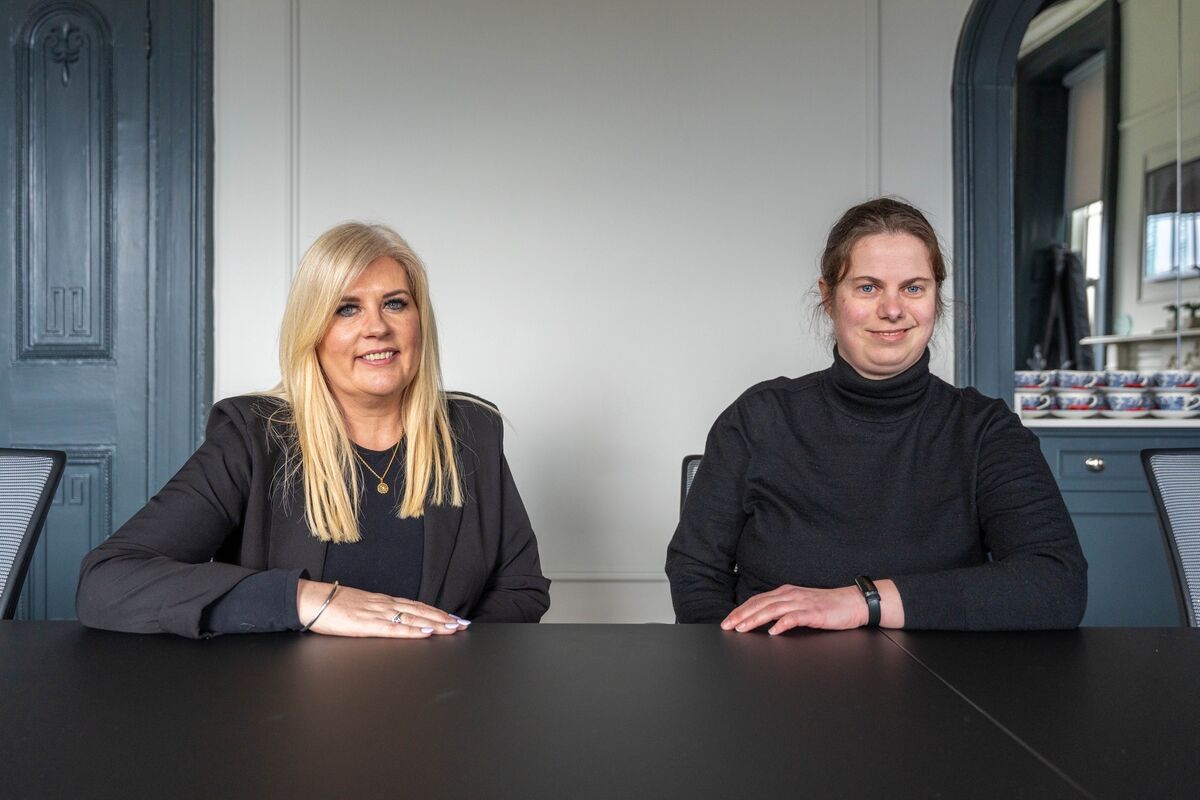
The Rehab Group’s National Learning Network (NLN) provides flexible training programmes for people who need specialist support in centres across Ireland. Each of these programmes focuses on developing skills for the workplace.
Laura McGuinn, 26, from Sligo graduated from an NLN office and IT skills course last year. Her hearing difficulty had previously limited her employment options.
“I could never work in a call centre or any job that involves lots of background noise like pubs or restaurants,” she says.
“I’d previously spent four years working in retail, but had to leave because I found all the noise — the trolleys, the intercoms, the constant chitter-chatter — overwhelming.”
The office and IT skills course opened up new possibilities. McGuinn learned “all the practical skills needed in an office environment”.
“From Word and Excel to typing and payroll, and even things like interview skills and job applications, they covered everything.”
She also did work experience as part of the course.
“It was in an office in Sligo town, and it made me realise how much I had learned,” she says.
“It also made me feel ready to apply for the full-time job I have now.”
That job is in the register of electors office in Sligo County Council.
“I love it,” says McGuinn.
“I think my experience shows that, with the right support, there are so many jobs that people with disabilities can do.”
Marie Devitt is the business partnerships manager at the Trinity Centre for Persons with Intellectual Disabilities (TCPID), which offers a two-year full-time Level 5 certificate in arts, science, and inclusive applied practice.
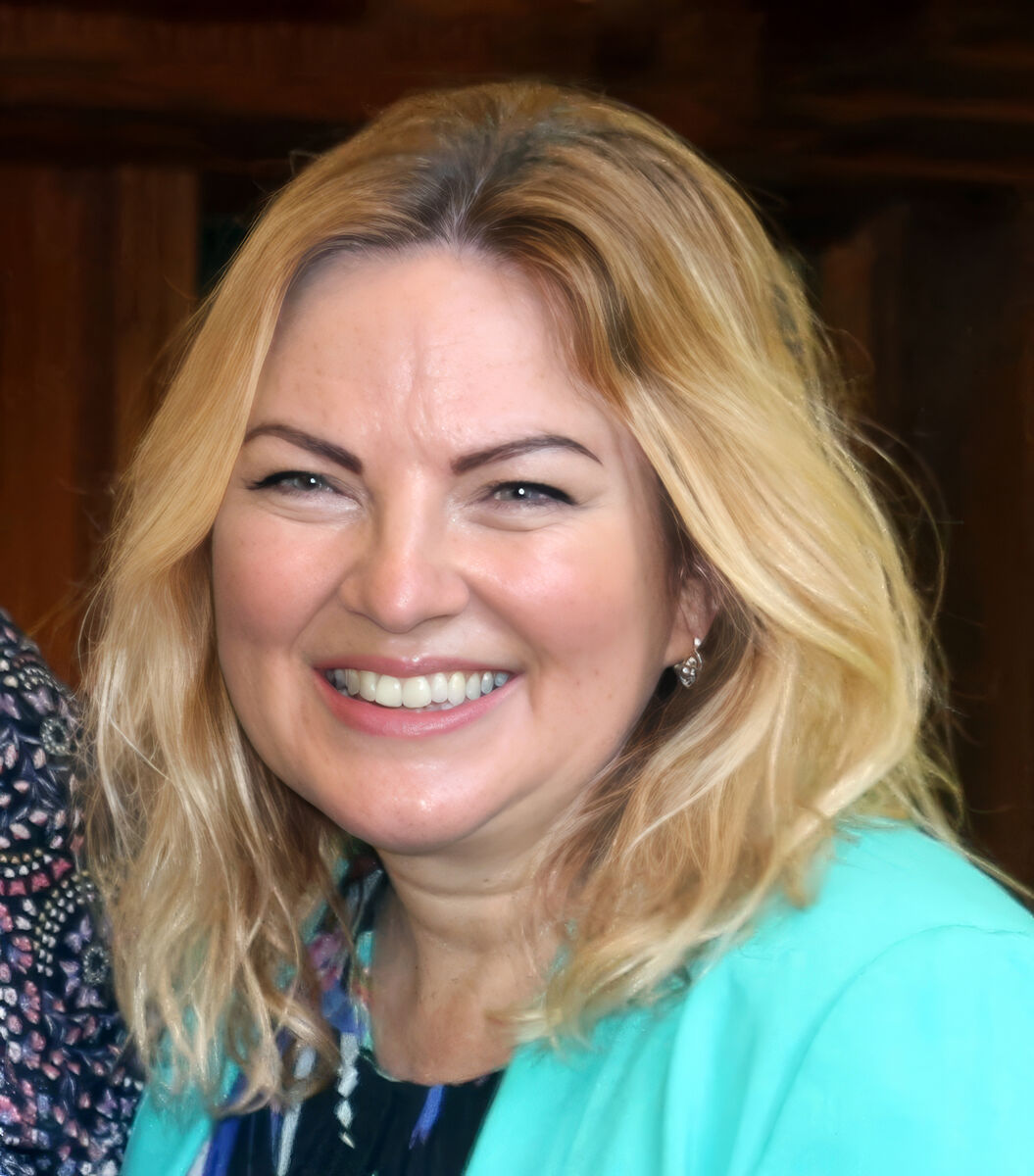
“It’s taught here at the university, and the students follow a varied curriculum where the focus is always on their ability rather than disability,” she says.
“We push them to achieve their full potential while providing encouragement and support.”
In their final semester, students do work experience for one day a week.
“We use that as an opportunity to explore what they like and don’t like, and to start them thinking about internships,” says Devitt.
Devitt’s role involves liaising with corporate companies and getting them to take on work placement and paid internship candidates. She and her team also deliver training to these companies, suggesting ways they can make their workplaces more inclusive for their graduates and others with disabilities.
Since 2017, they have worked with 50 corporate partners and organised 128 internships, resulting in 36 permanent roles.
Four of these roles are at Grant Thornton.
Lorna Walsh is the assistant manager for the learning and effectiveness team at Grant Thornton, and oversees some of these graduates.
She says integrating them into the workforce wasn’t overly difficult.
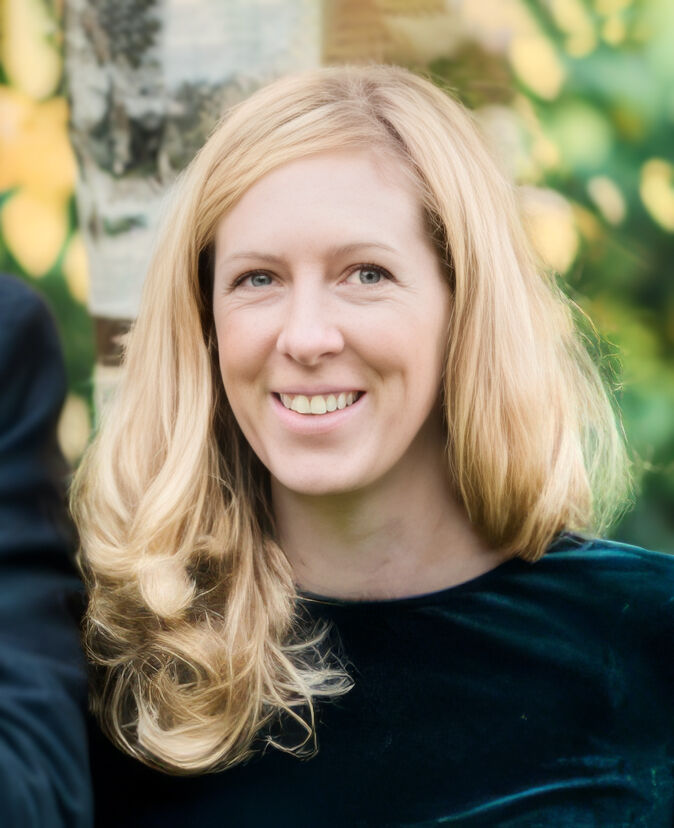
“All we had to do was a few hours of online training with TCPID. That was mostly about communication skills, such as giving clear, specific instructions and breaking tasks down into simple steps.
“One of the lessons I learned was never to ask: ‘Do you understand?’ Someone can easily say, ‘Yes’, when they don’t. Now I get people to repeat back what I want them to do. It makes for clearer communication, and it’s a tactic I use in the wider workplace — not just with TCPID graduates.”
Hennessy believes businesses benefit from hiring employees with disabilities.
“They also tend to be loyal. They appreciate the security that comes with a job.”
Devitt adds that the employees benefit too.
“They get to live a full life that involves participating in the workforce. Everyone, including people with disabilities, deserves to feel like they are meaningfully employed and contributing to society.”
Despite these benefits, statistics show that it’s more difficult for people with disabilities to find work in Ireland than it is in other European countries.
The 2023 report, The Right to Work: The employment situation of persons with disabilities in Europe, found that the countries with the lowest employment rates for people with disabilities were Ireland and Greece. At 32.6% each, their rate was almost 20% lower than the EU average of 51.3% and almost 50% lower than Estonia’s, which had the highest rate at 64.9%.
Hennessy identifies several reasons why Ireland is lagging behind.
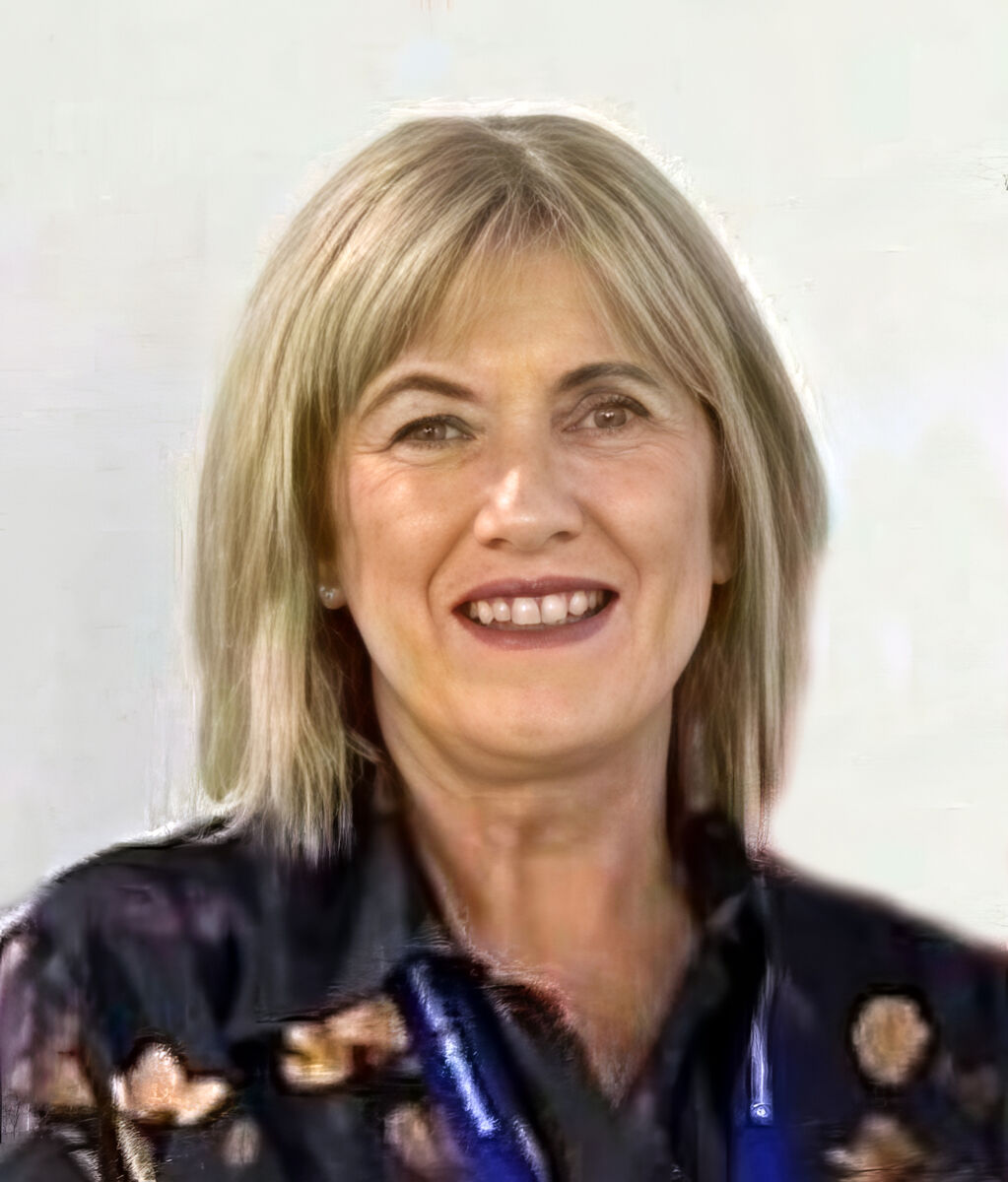
“There are structural, cultural, and practical problems. Take job applications: Everything is so high tech, and people have to navigate websites that can be challenging for those with literacy or numeracy issues.”
Job descriptions can unintentionally deter candidates.
“For example, the phrase ‘excellent communication skills’ could put someone with a hearing problem or speech impediment off applying for a role for which they otherwise have all the skills and qualifications required,” she says.
Another reason is the lack of accessibility. Hennessy recently heard from a wheelchair user who was about to start a work placement. The building they were going to work in was wheelchair accessible but the adjoining carpark wasn’t, “so that was a physical barrier,” she says. “They couldn’t even leave the carpark.”
There can also be a lack of flexibility. “People with disabilities may not be able to work full-time or may have to fit their work around medical appointments, and we don’t have enough flexible work options for them,” she says.
Adrian Stewart, head of employability at the Rehab Group, adds that there is often a lack of awareness on the part of employers.
“Although many companies have committed to diversity, inclusion, and hiring people from previously underrepresented communities, the disabled community is well down their list,” he says.
“Employers often think there will be too much financial cost involved or too many accommodations to be made. It’s only when they take on a disabled employee that they realise this is not the case.
“The aim of Rehab and its NLN and organisations that run disability employment initiatives is to get them to take that initial step.”

CONNECT WITH US TODAY



Be the first to know the latest news and updates