Record coastguard callouts as 37 people die in Irish waters so far in 2026
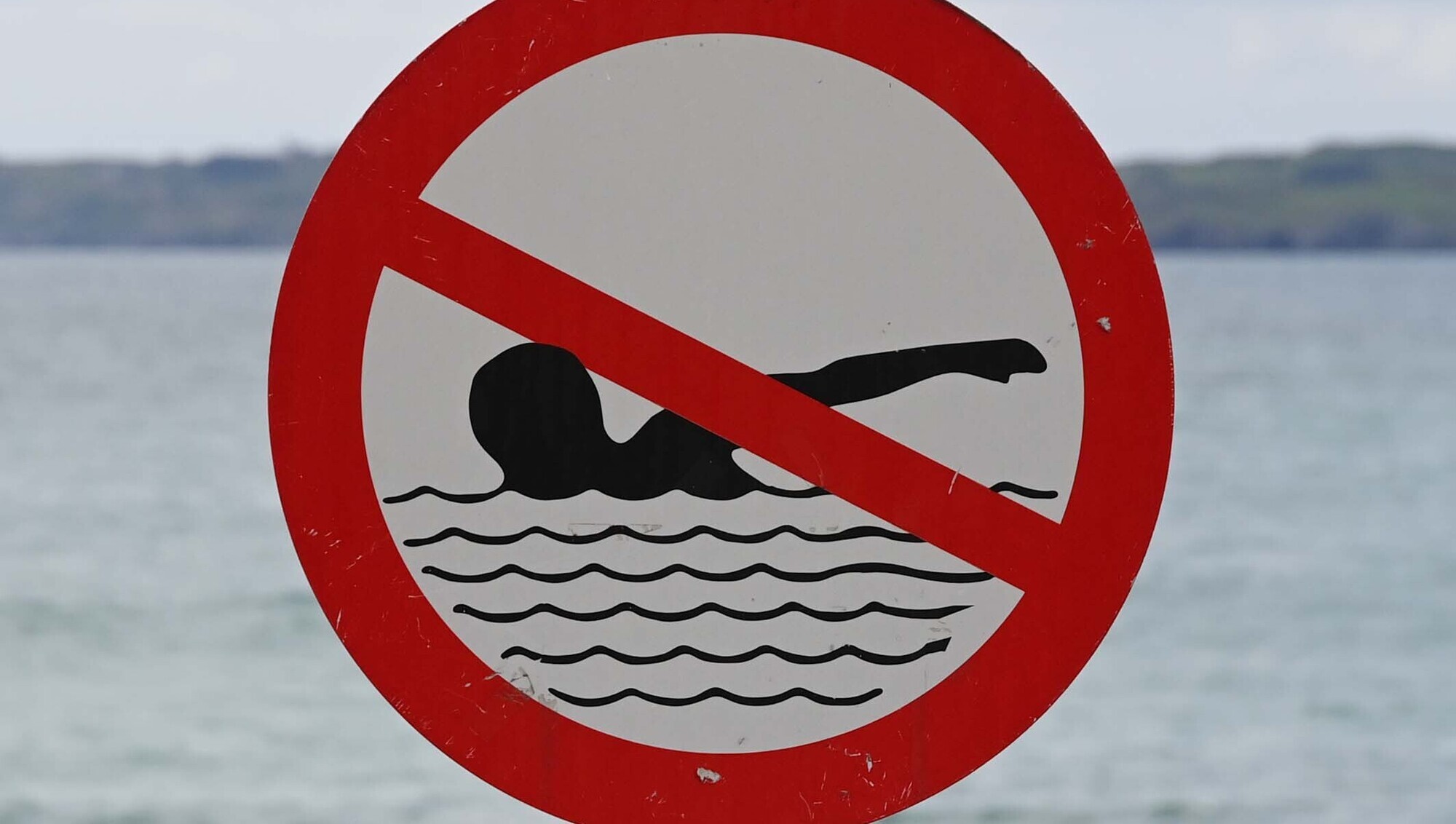
The organisation said it has experienced a record number of call-outs on the coast and inland waterways, with July on course to be one of its busiest months in many years. Picture: Denis Minihane.

The organisation said it has experienced a record number of call-outs on the coast and inland waterways, with July on course to be one of its busiest months in many years. Picture: Denis Minihane.

Some 37 people have died in Irish waters so far this year, according to the Irish Coast Guard, which has issued a renewed water safety appeal ahead of World Drowning Prevention Day.

The organisation said it has experienced a record number of call-outs on the coast and inland waterways, with July on course to be one of its busiest months in many years.

To date, the coastguard has responded to more than 1,700 rescue incidents, saving 385 lives and assisting more than 1,600 people.

The coastguard said the recent warm weather has drawn more people to beaches, rivers, lakes and coastlines across the country, leading to increased demand for coastguard and lifeguard interventions.

During the second week of July, 140 rescue incidents were recorded, which the Department of Transport said is the highest weekly total on record.

During that week, 20 lives were saved and 197 people were assisted. On Sunday, July 12, there were 43 incidents alone.

The coastguard said the number of incidents this July is 25% higher than during the same period last year.

Ahead of World Drowning Prevention Day, the RNLI, Water Safety Ireland and the Irish Coast Guard are urging anyone planning activities on or near the water to be prepared, understand the risks and take simple steps to help ensure everyone returns home safely.

Water safety advice 

The organisations are advising the public to:

  • Check weather forecasts and tide times before heading out.
  • Remain alert to rising tides when walking along the shoreline, as they can quickly lead to people becoming stranded.
  • Choose lifeguarded beaches where possible, swim with others and stay within your depth.
  • Be aware of rip currents, which can rapidly carry even strong swimmers away from shore.
  • Remember that warm weather does not mean warm or safe water. Cold water can cause cold-water shock, significantly increasing the risk of drowning. Enter the water slowly to allow your body to adjust.
  • Keep children under constant, uninterrupted supervision near water.
  • Avoid alcohol before swimming, operating watercraft or spending time near the water.
  • Always wear a lifejacket or buoyancy aid when taking part in activities on the water.
  • Pay attention to water safety signs, flags and local warnings.
  • Tell someone ashore about your plans and expected return time.
  • Carry a means of calling for help, such as a fully charged mobile phone or a marine VHF radio.

x

More in this section

Lunchtime News

Newsletter

Get a lunch briefing straight to your inbox at noon daily. Also be the first to know with our occasional Breaking News emails.

Cookie Policy Privacy Policy Brand Safety FAQ Help Contact Us Terms and Conditions

© Examiner Echo Group Limited