Irish researchers use AI to discover many women with breast cancer could avoid chemotherapy
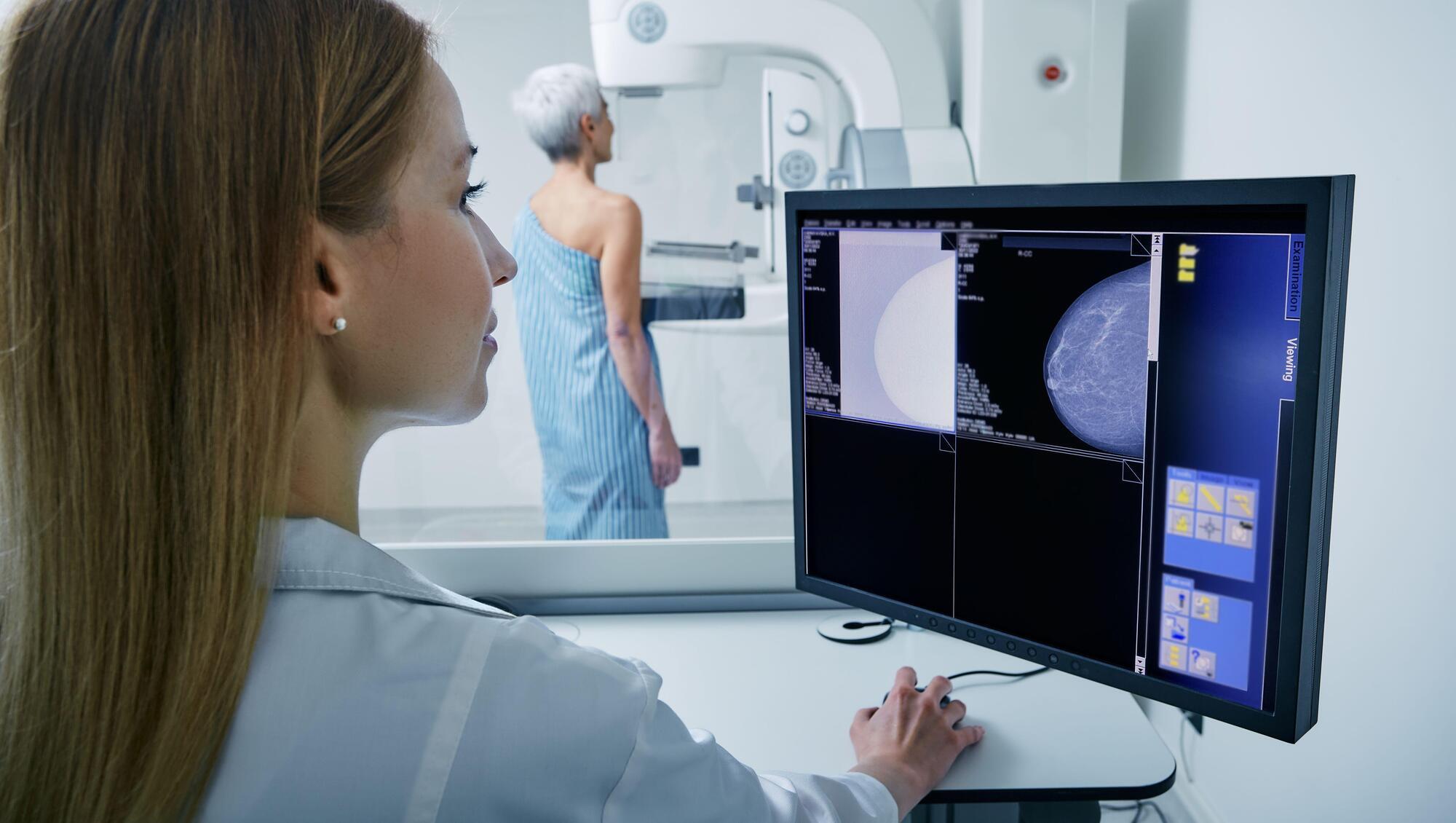
'For patients with an intermediate genomic risk, the decision around chemotherapy is often difficult. And uncertainty frequently leads to treatment that may not have been necessary, impacting on quality of life.'
Many women with a common type of breast cancer could safely avoid chemotherapy thanks to a discovery by Irish researchers using AI.
About 70% of breast cancer diagnoses are of early-stage ER+HER2- breast cancer, and chemotherapy is regularly used to treat it.
However, benefits of the debilitating treatment are uncertain for some patients.
Now, a research team has identified markers in patients’ immune systems which could help doctors see which women are unlikely to benefit from chemotherapy.
The research was led by Royal College of Surgeons Ireland (RCSI) and University College Dublin.
Darran O’Connor, professor of molecular oncology at RCSI said: “This is a way of deciding risk and determining treatment that we can do in any hospital as long as they have a decent laptop.”
Genomic testing is already used to examine a patient’s genes and help doctors understand more about their individual cancer.
Read More
“AI-based analysis of the tumour microenvironment takes this further still,” he said.
Prof O’Connor said the AI used was an adapted open-source tool used alongside another approach.
“AI is really good at identifying patterns, really really good for image analysis,” he said, adding it was also being used now to find issues in X-rays or MRIs.
He said: “If we’re going to use AI in medicine, there has to be, what we call, the human eye in there somewhere. So for us the human in the loop is the pathologist.
“For patients with an intermediate genomic risk, the decision around chemotherapy is often difficult. And uncertainty frequently leads to treatment that may not have been necessary, impacting on quality of life,” he said.
The data used was collected with permission from women who were previously enrolled in the Irish arm of the TAILORx international trial.
That trial had used genomic testing to identify women with a low risk of cancer coming back after surgery who could avoid chemotherapy.
This new study found if there was a high density of cancer-targeting immune cells, called cytotoxic T-cells, in the tissue around a tumour then this “could more accurately define patient risk compared to current genomic profiling methods”, the authors said.
RCSI and UCD have now filed a patent together for the technology.
Prof O’Connor described it as more economic than genetic testing, which would make it suitable for use in developing healthcare systems as well.
Senior author was William Gallagher, professor at the UCD School of Biomolecular and Biomedical Science and UCD Conway Institute.
He noted “further validation in larger studies” was needed before this could be used in hospitals.
“However, the findings give us a clearer picture of what drives recurrence risk of breast cancer in patients with intermediate genomic scores and brings us closer to the kind of personalised treatment decisions that could avoid unnecessary chemotherapy,” he said.
The work also involved Cancer Trials Ireland, Beaumont Hospital, St Vincent’s University Hospital and Queen's University Belfast.
It was funded by Precision Oncology Ireland which is part-funded by Research Ireland with further development being funded by ARC Hub for HealthTech.
The study is published in the journal .

CONNECT WITH US TODAY



Be the first to know the latest news and updates