Breast cancer referrals fall well short of 2025 targets after decrease from 2024 figure
The HSE report says Ireland continues to face challenges in areas including higher antibiotic use, avoidable hospital admissions, limited long-term care staffing, and lower availability of diagnostic imaging equipment.
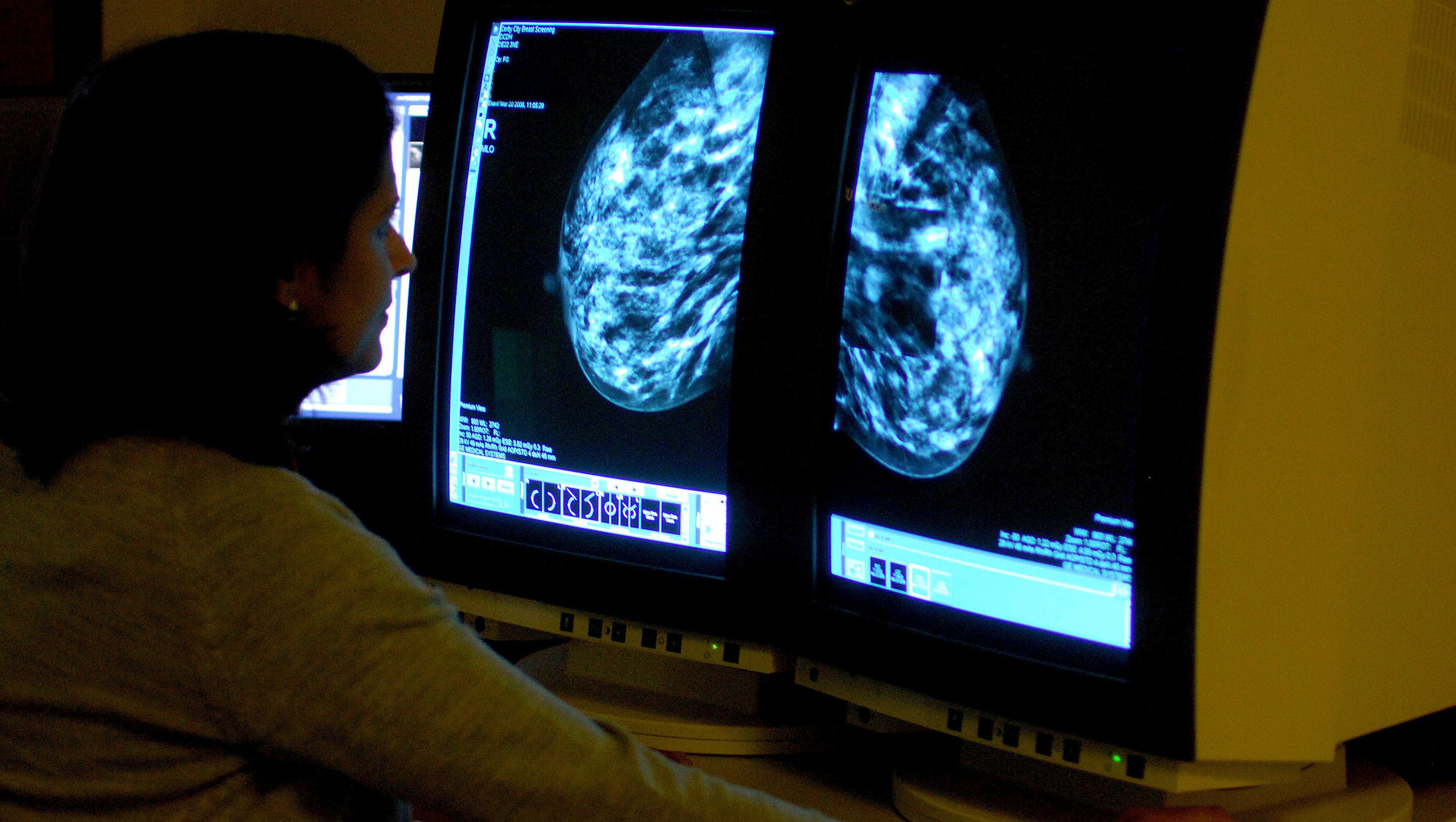
Just 61% of women who had an urgent breast cancer referral last year were seen by a cancer centre within two weeks. That compares to a National Service Plan target of 95%.
The figure is down from the 74% who were seen within two weeks in 2024. The statistics are contained in the HSE's latest annual report.
The performance was much better for lung cancer referrals last year. 97.7% of patients attending lung rapid access clinics were offered an appointment within 10 working days of receipt of referral in designated cancer centres.
Elsewhere, the HSE's latest annual report has said that while the population's health outcomes remain strong, health services are facing significant pressures as the percentage of elderly people increases.
The report says Ireland continues to face challenges in areas including higher antibiotic use, avoidable hospital admissions, limited long-term care staffing, and lower availability of diagnostic imaging equipment.
Read More
To compound this, the population is getting older, increasing the prevalence of long-term conditions. "This demographic shift is already contributing to increased levels of chronic illness," the annual report for 2025 says.
"An estimated 53.8% of adults aged 50 years or more have a chronic disease, with the number expected to increase from approximately 778,000 people in 2016 to 1.08 million by 2030."
It says functional limitations also impact quality of life, with 36% reporting long-lasting conditions or difficulty; 24% experiencing limitations in daily activities and 4% severely limited, figures that have stayed largely the same since 2016.
"Behavioural and metabolic risk factors for these conditions remain substantial with circa 60% of the population overweight or obese, and less than half meeting minimum physical activity recommendations."
It says the burden on health services will only intensify without continued focus on prevention, healthy ageing, and risk-factor reduction.
"While Ireland’s population health outcomes remain strong, the evidence shows that a growing share of illness and health service demand is driven by preventable and modifiable risk factors. Improving population health requires a shared responsibility between health services, communities and individuals.
"The HSE has a central role in enabling and supporting people to take greater responsibility for their own health through prevention including health promotion, early intervention, integrated care, and national programmes supporting screening, immunisation, and long-term condition self-management."
It says empowering individuals to make informed, healthy choices across the life course is essential to reducing avoidable illness, supporting healthy ageing, and ensuring the long-term sustainability of health and social care services.
HSE chief executive Ann O'Connor admitted access to health and social care remains fundamental for the people who rely on its services, but it continues to be one of the most significant challenges the HSE faces.
"While more than 1.8 million people were removed from waiting lists (a 3.3% increase on what was expected), demand for planned care also rose with 1.9 million people added to waiting lists in the last year," she said.
She also admitted rising demand and "regional variability" means progress has not been consistent across all areas, "and too many people still face delays in accessing the care they need".
CONNECT WITH US TODAY



Be the first to know the latest news and updates