Current rate of warming will push planet to more severe heatwaves, storms and floods by 2030
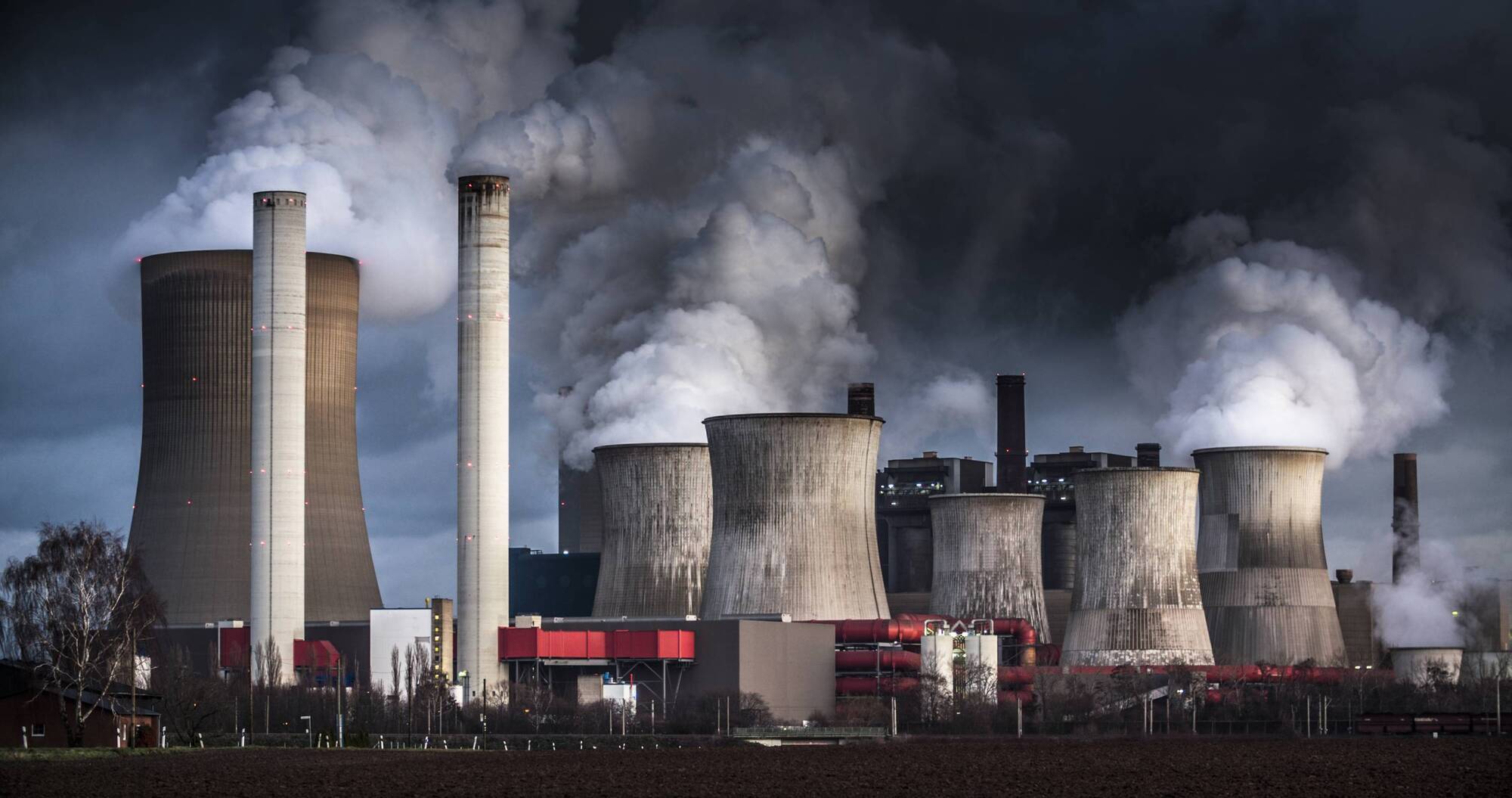
This year’s report finds that global greenhouse gas emissions are at an all-time high, reaching 56.8 billion tonnes of carbon dioxide equivalent emissions in 2024 which mainly came from the burning of fossil fuels.
Irish scientists are among a team of global experts who have warned that human activities pushed global temperatures up 1.37°C in 2025 and that will rise to the significant milestone of 1.5°C in four years.
In a new report on Indicators of Global Climate Change, the authors say global warming is accelerating at a rapid rate, bringing devastating impacts on livelihoods and ecosystems worldwide.
“This study shows that human influence on the climate system continues to grow, at a time when national climate mitigation efforts are faltering,” said Damon Matthews, professor in the department of geography, planning and environment at Concordia University in Canada.
“Globally, we have failed to curb emissions enough to avoid crossing 1.5°C and current policies are also not sufficient to limit warming to the primary well-below 2°C Paris target. Meanwhile, climate damages continue to intensify.”
This year’s report finds that global greenhouse gas emissions are at an all-time high, reaching 56.8 billion tonnes of carbon dioxide equivalent emissions in 2024 which mainly came from the burning of fossil fuels.
Global greenhouse gas emissions continue to rise, albeit not as fast as they did in the 2000s.
Based on its assessment of the current rate of warming, and if emissions continue at their current levels, we can expect to reach 1.5°C above pre-industrial levels around 2030.
Scientists have repeatedly warned warming of more than 1.5°C risks unleashing more severe heatwaves, droughts, storms and floods, and makes it harder for communities to adapt.
While every fraction of a degree of warming avoided helps to reduce the damage, the landmark Paris Agreement goal of 1.5°C appears out of reach and even its weaker 2°C target appears uncertain.
Minister for the environment Darragh O’Brien has conceded that Ireland will not hit its carbon emissions targets, recently saying billions of euro in fines will follow as a consequence.
Furthermore, Ireland and other parts of the world could be set for an extremely hot few summer months as a result of both human-caused global warming and the El Nino weather event.


CLIMATE & SUSTAINABILITY HUB
CONNECT WITH US TODAY



Be the first to know the latest news and updates