Munster properties among most exposed to 'immense' coastal erosion threat
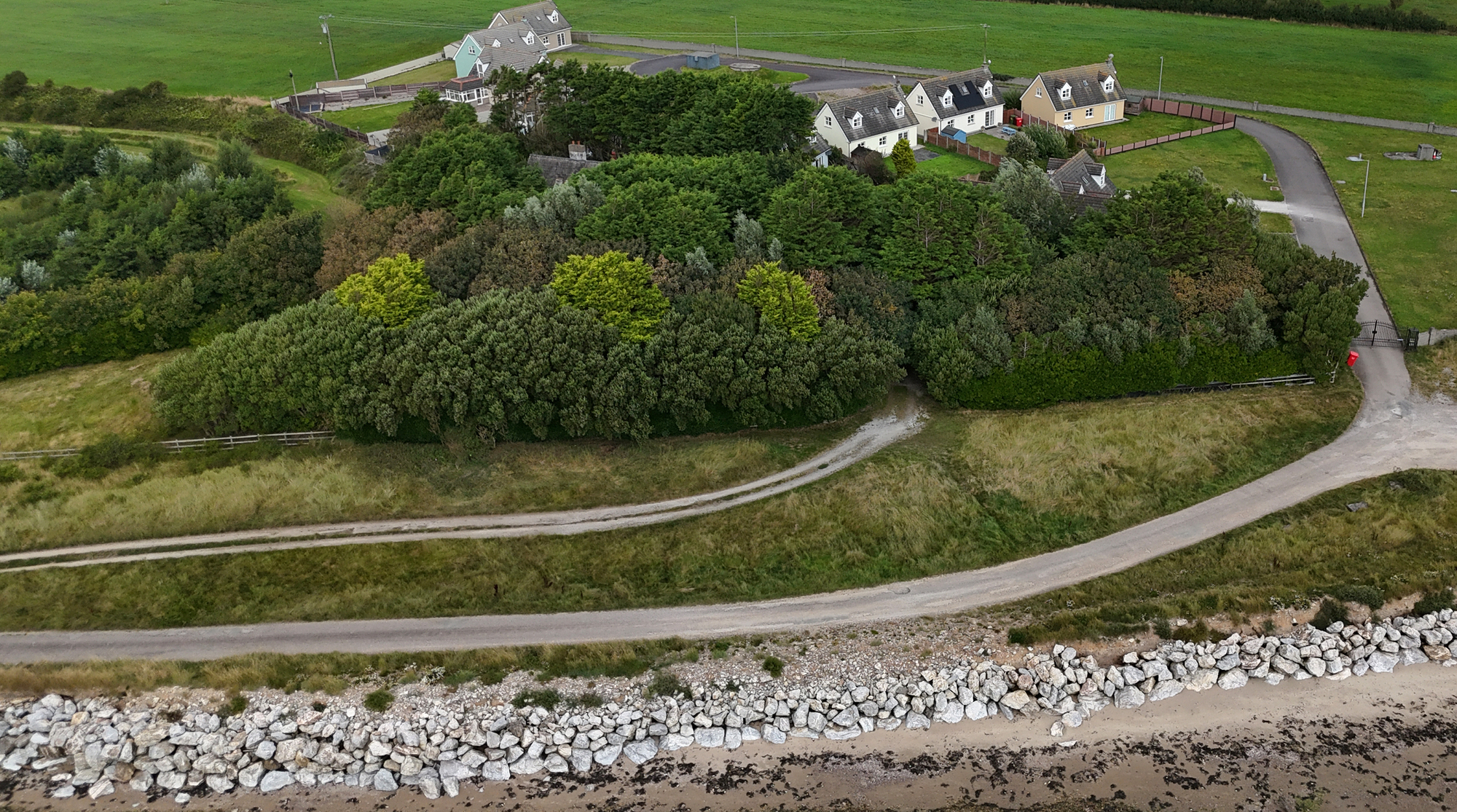
Some of the 12 coastal Pilmore Cottages near Youghal in Co Cork where coastal erosion has removed sections of the beach and dunes leaving the access road open to high winter waves and flooding. Picture: Larry Cummins
The thousands of properties currently at risk of coastal erosion across the country “could quadruple" in the coming decades, with Cork, Kerry, and Waterford among the most vulnerable.
A new report from the Climate Change Advisory Council highlighted that the scale of threat from coastal erosion is “immense” and the absence of a “binding framework for retreat has left the State in a cycle of ad hoc reactive engineering and unmanaged loss”.
The independent climate advisory body to the Government has called for protection of “current and future generations” by creating a masterplan which shows how and why coastal communities will need to relocate.
It said 2,279 properties and 570km of roads were at risk of falling into the sea, according to figures from eight local authorities. This is expected to jump up to 4,446 by 2050.
Associate professor at the University of Galway and report lead author Eugene Farrell said he believes these numbers “substantially underestimate the real risk”.
Read More
“I think when you add in the other 11 counties and actually also add things like sea level rise and changes in coastal erosion from storms, I think the number could quadruple,” he told the .
Additionally, Mr Farrell said researchers have a good idea that Cork, Kerry, Waterford, and Wexford are hotspots for coastal erosion.
“In the hotspots, erosion is a natural process. It has happened, it will happen, it happened for a millennium, it is going to happen for the next thousands of years,” he said.
“The question becomes what’s actually built on the shoreline in the meantime, and what needs protection. I do not think, for example, Cork City will be told ‘you’re on your own.’
"The Government is very cognisant that it needs to protect these urban centres. The question then becomes, is it fair to allow rural areas to be washed away because the cost-benefits of building cost-hardened structures do not fit their criteria?”
The professor added that implementing “planned relocation” is not optional anymore, but “an essential responsibility” of the current government and should be viewed as a “valid strategic shift” instead of a last resort.
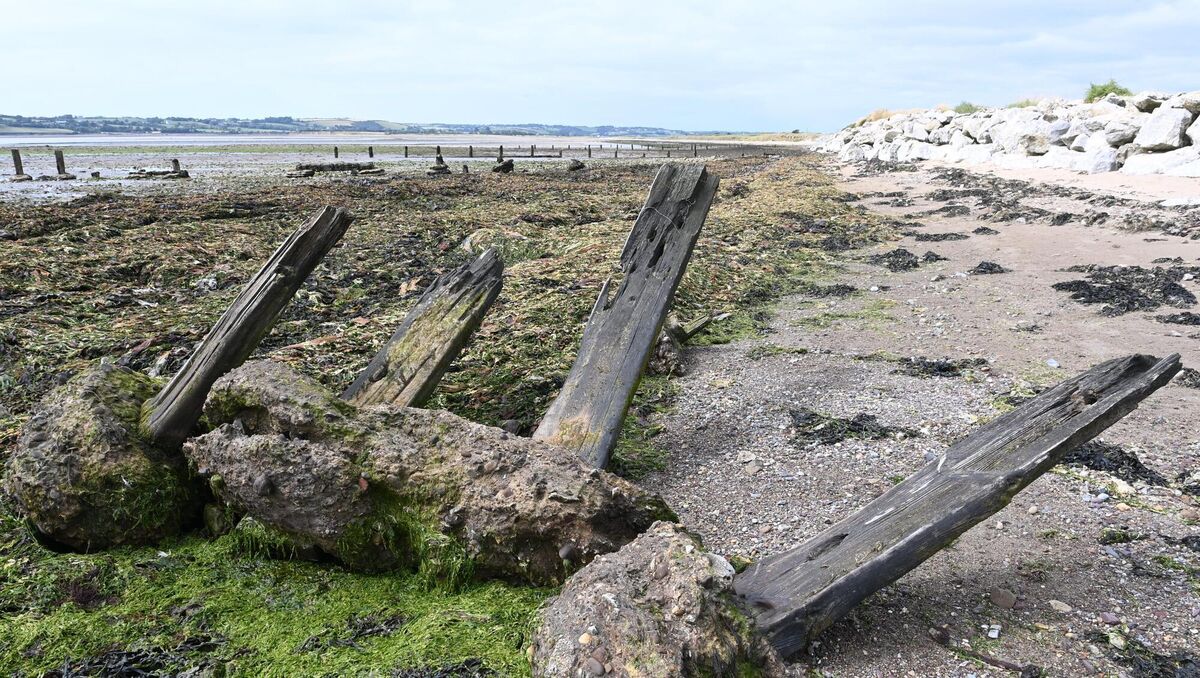
Some of the actions put forward by the report include creating legislation to address coastal change and planned relocation, as well as creating a framework for compensation.
“In some places in the UK, it happened recently on the east coast of England, they essentially gave 50% of the value of homes,” Mr Farrell said.
He added that there was “precedence for relocation”, saying the Government previously supported the relocation of 24 houses under the 2017 Voluntary Homeowners Relocation Scheme.
“It was a full compensation for these homeowners [relocation and legal costs] whose properties were identified by the OPW as being at high risk of being flooded again. And so now the question is, should that same approach be applied to homeowners on the coast?” Mr Farrell said.


CLIMATE & SUSTAINABILITY HUB
CONNECT WITH US TODAY



Be the first to know the latest news and updates