Drug cartels deforesting swathes of the Amazon
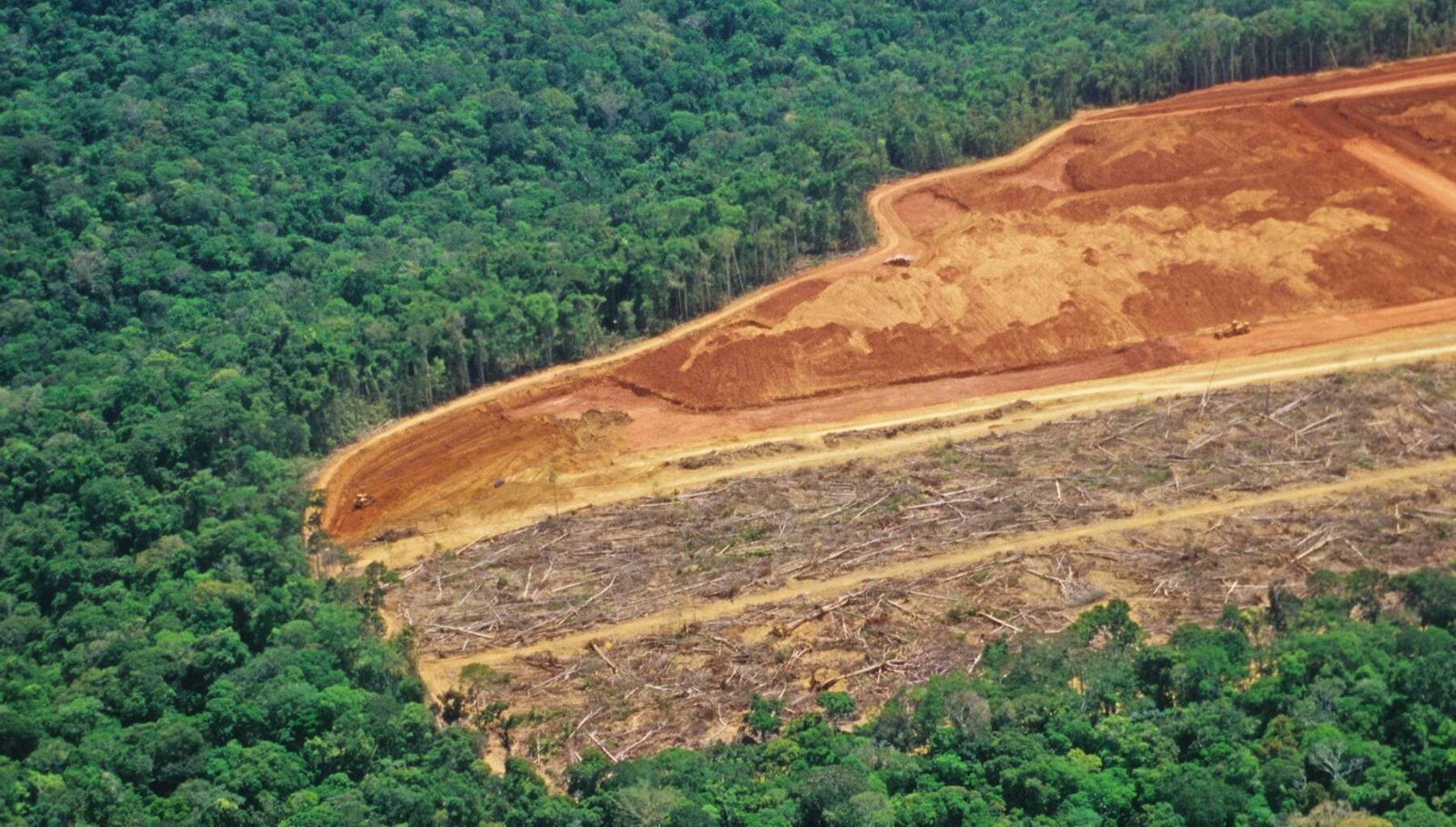
‘Narco-deforestation’, also involves gangs which make money from illegal logging investing their money in coca cultivation. Picture: iStock
Drug cartels supplying cocaine to users in Ireland and the rest of Europe are now investing their profits in land acquired through the illegal destruction of the Amazon forest, the United Nations has said.
The phenomenon, called ‘narco-deforestation’, also sees the flow of criminal proceeds in the other direction, with gangs who are making money from illegal logging investing their money in coca cultivation.
The UN Office on Drugs and Crime (UNODC) says this is part of an “emerging pattern”, where organised crime is converging with damaging illegal activities in other sectors.
In a new research brief on transnational organised crime, the agency said this activity is separate from the long-standing environmental effects from drug cultivation and production, including loss of biodiversity, pollution and chemical waste from the manufacture of synthetic drugs in Europe.
CLIMATE & SUSTAINABILITY HUB
“Convergence between the illicit drug trade and illegal deforestation has been highlighted in the context of Latin America,” it said.
“Through a process called ‘narco-deforestation,’ drug trafficking proceeds are laundered into land speculation, agriculture, cattle ranching, and related infrastructure, creating growing risks for the Amazon forest.”
The report said evidence also points to a reverse dynamic, where, in parts of the Amazon, profits from illegal logging generated by organised crime groups (OCGs) are reinvested into illicit coca cultivation.
It said OCGs have been documented in South America taking control of gold mining sites while engaging in other criminal activities, such as extorting miners for fees, arms smuggling, and trafficking in persons.
The report estimates that organised crime was responsible for around 95,000 homicides between 2000 and 2023 – roughly the same number as killed in armed conflicts.
It says organised crime killings are much higher, as a percentage of all homicides, in the Americas – accounting for 50% of them.
This is dramatically different than Europe where organised crime homicides account for around 6% of all homicides. In Europe intimate partner or family-related homicides make up almost 70% of killings.
The UN agency said gang homicides are in addition to “millions of premature deaths and healthy years of life lost due to disability every year” from drugs.
It also cited the impact gangs have on the everyday lives of citizens, including the “atmosphere of fear and insecurity” they can create.
In a number of countries these OCGs target “exposed” citizens such as journalists and community activists.
The report said the drugs trade “fuelled a dramatic escalation of violence” in Ecuador, transforming it from a country with a relatively low rate of homicide – 7.8 victims per 100,000 people in 2020 – to one of the highest – 46 victims per 100,000 in 2023.
It said Ecuador’s geographical location between major cocaine production areas in Columbia and Peru make it a “significant hub” for cocaine trafficking, including to Europe.
The UNODC said small and medium-sized criminal groups are playing an increasingly important role in cocaine trafficking, sometimes by carrying out a specialised job or service in the supply chain.
This can include collecting shipments from ports, arranging local transport or protecting shipments.
- Cormac O’Keeffe, Security Correspondent