Government wrote off €2.5m in carbon credits after EU rule change, Dáil committee told
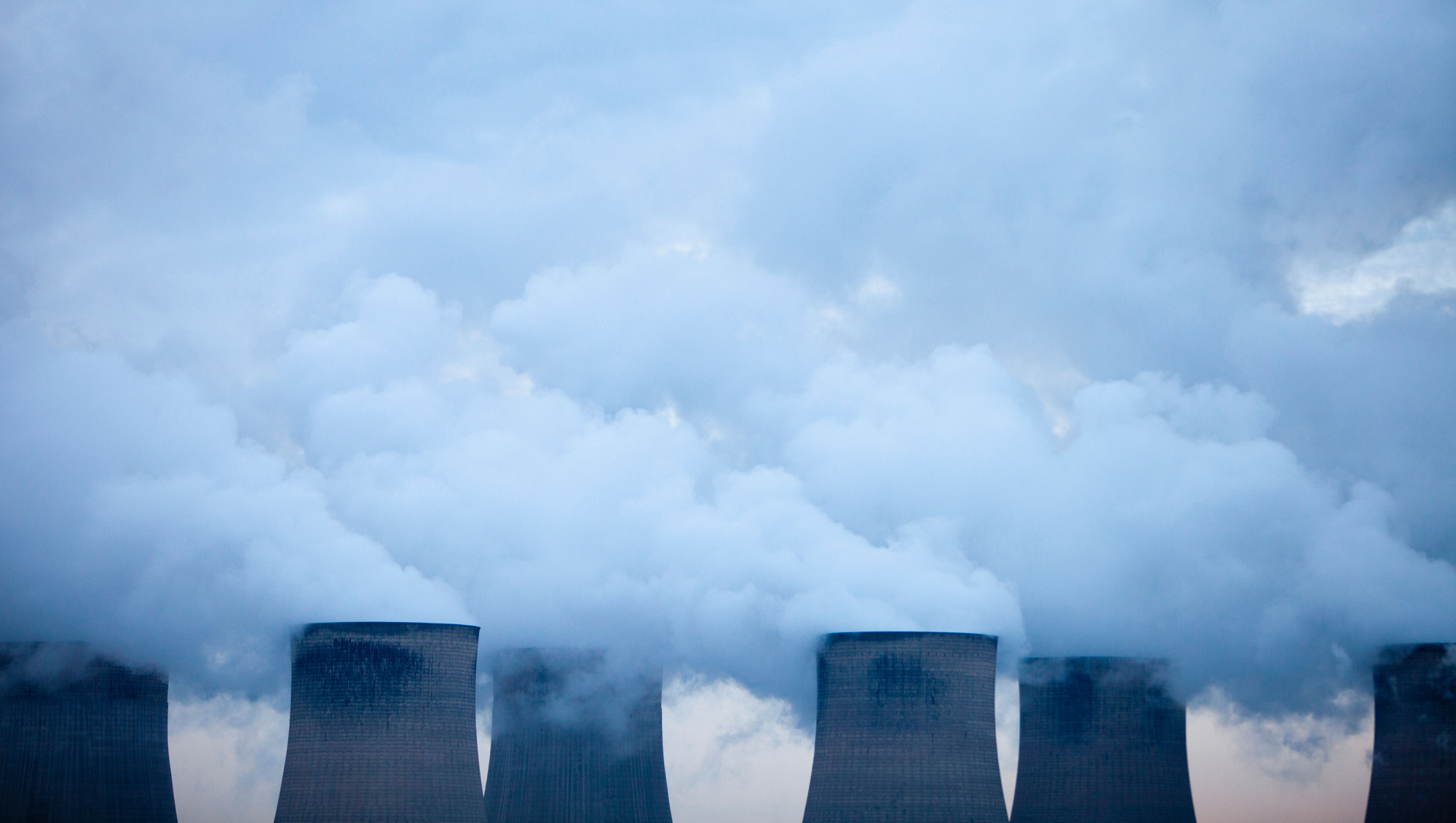
Carbon credits are effectively a way for governments to offset a certain amount of greenhouse gas emissions by purchasing from others who have exceeded their own targets.
The Department of Environment wrote off close to €2.5m in carbon credits after a change in EU legislation meant they could no longer be used to offset penalties from missed climate change targets.
The 702,000 credits were initially purchased by the State as part of a far larger tranche of credits in response to Ireland’s adoption of emission targets under the Kyoto protocols in 2007.
Carbon credits are effectively a way for governments to offset a certain amount of greenhouse gas emissions by purchasing from others who have exceeded their own targets.
In a briefing note to the Public Accounts Committee (PAC), the department said the country’s Carbon Fund — which was established to ringfence purchased credits — has been dormant since 2022, when it contained only the 702,000 unusable credits, which have effectively been written off since they are now worthless.
Pressed at Thursday’s meeting of the PAC with the department as to the initial value of the credits, officials acknowledged they would have been worth more than €2m, and likely as much as €2.5m.
Comptroller and Auditor General Seamus McCarthy told the PAC while the State had initially acquired almost 12 million credits at a cost of more than €118m, the 702,000 credits in question had been rendered unusable after the EU adopted its Effort-Sharing Decision — promoting shared responsibility across states to adopt emissions targets — in 2009.
Read More
The department’s secretary general, Oonagh Buckley, said she would “have to agree” with the Environmental Protection Agency’s assertion last summer that Ireland will likely only meet 9% of its EU-mandated emission-reduction targets for 2030.
She said, however, estimates that failing to meet those targets would cost the country up to €28bn in penalties are “entirely speculative”.
“In the event that Ireland and other countries don’t meet their obligations under the effort-sharing regulation, we would have to start buying compliance from other states,” she told the committee.
She said the scale of cost of buying that compliance could not be ascertained, as there were “too many moving variables”.
Of purchasing compliance credits from other countries which have actually met their targets, Ms Buckley said: “We don’t know if they’ll be available, what other countries will be in the hunt for them, and how much they will cost”.
Asked when clarity would be given as to the final cost of meeting the targets, she replied: “After 2032, I suspect”.
She noted further the current punitive system in place may not still be the status quo post-2030, when the extent to which targets have or have not been met will be evaluated.
“In the meantime, we cannot give an estimate,” she said.
Meanwhile, the PAC heard just under €10m out of a €190m fund collected in levies from electricity suppliers on foot of the Russian/Ukraine war — to support electricity customers through high prices — has been spent to date.
The department acknowledged while the figure to date was “relatively low”, it remained energy minister Darragh O’Brien’s aim the remainder would be “fully deployed to fund suitable measures to support electricity customers”.
The fund was first collected from 236 electricity suppliers for seven months from December 2022 until the end of June 2023, in response to a massive hike in power costs for domestic consumers as a result of the war. To date, the money spent from the fund has been allocated for the installation of solar panels for “non-domestic entities”.

CLIMATE & SUSTAINABILITY HUB
CONNECT WITH US TODAY



Be the first to know the latest news and updates