UN backs historic climate crisis ruling, despite US attempts to stop resolution
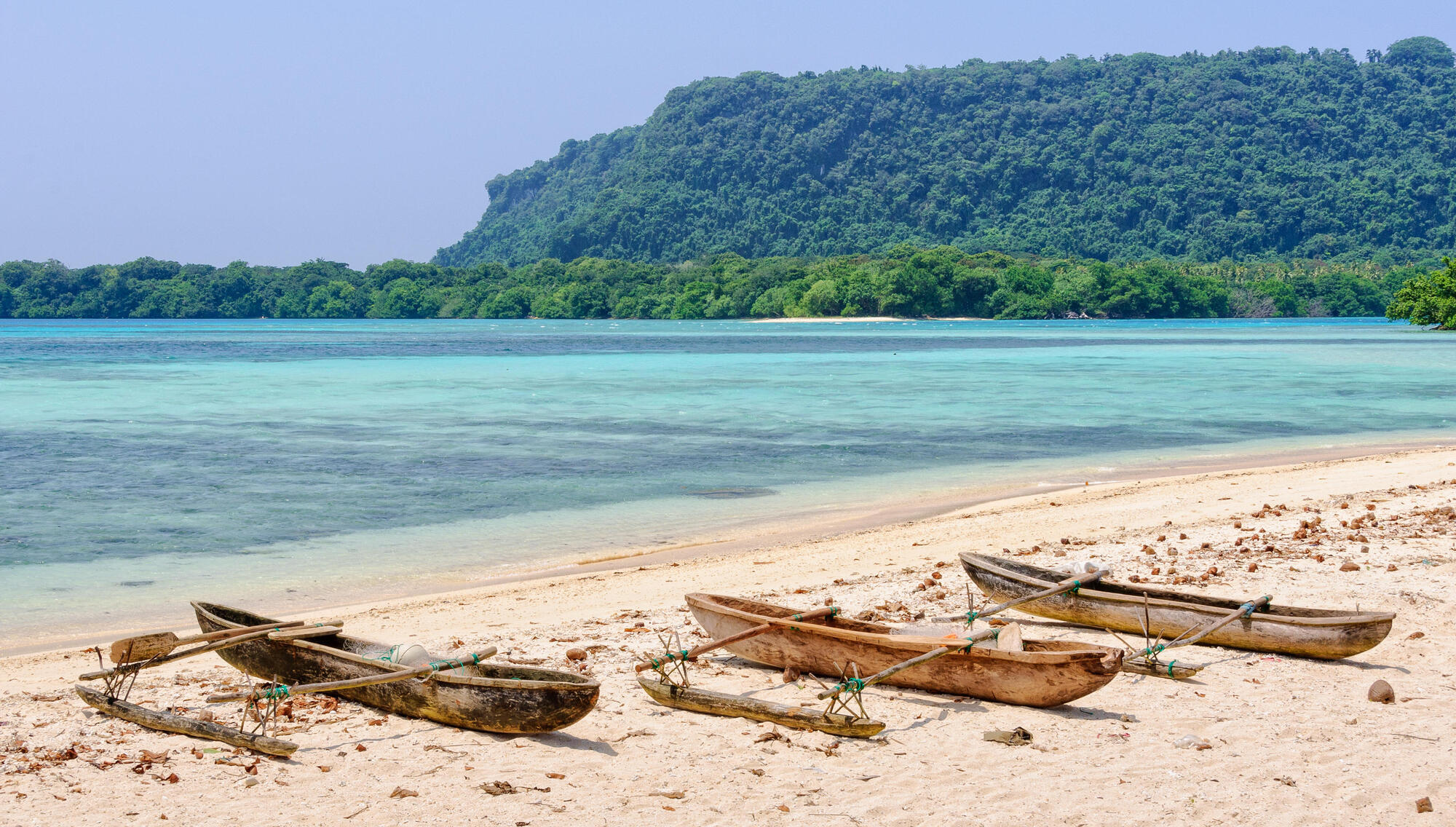
Countries like Vanuatu in the Pacific have watched their homelands slowly disappear in recent decades as the climate changes.
The UN has voted 141-8 to adopt a resolution backing a world court opinion that countries have a legal obligation to address climate change, with the US – the world’s biggest historical emitter – among the small group opposing it.
UN secretary general, António Guterres, said the general assembly vote, in which 28 countries abstained, underscored that governments are responsible for protecting citizens from the “escalating climate crisis”.
“I welcome the adoption of the General Assembly resolution on the ICJ’s advisory opinion on climate change – a powerful affirmation of international law, climate justice, science + the responsibility of states to protect people from the escalating climate crisis,” Mr Guterres said on X, formerly Twitter.
The resolution, brought by the Pacific island Vanuatu, affirms a July 2025 advisory opinion by the International Court of Justice (ICJ) that states are obligated to reduce fossil fuel use and tackle global warming.
While not legally binding, the court’s advisory opinion is already being used in climate litigation around the world and judges are starting to reference it in their climate-related rulings.
But it has proved more intractable as a diplomatic lever. It failed to make a mark at last year’s global Cop30 climate talks in Brazil. Saudi Arabia called its inclusion in final texts a “red, red line”.
The US joined Saudi Arabia, Russia, Israel, Iran, Yemen, Liberia and Belarus in opposing the resolution on Wednesday. Cop31 climate summit host Turkey, India, and oil producers Qatar and Nigeria were among those abstaining.
Australia, Germany, France and the UK were among the 141 voting in favour of the resolution.
The Trump administration has removed the US from the Paris climate agreement and other major environmental accords and has pursued policies to boost fossil fuel production.
“The resolution includes inappropriate political demands relating to fossil fuels,” the US deputy ambassador to the UN, Tammy Bruce, said.
The Trump administration had been urging other nations to press Vanuatu to withdraw the resolution from consideration.
Before the vote, Odo Tevi, the Vanuatu ambassador to the UN, said: “The states and peoples bearing the heaviest burden are very often those who contributed least to the problem."
For decades, Pacific nations have watched their homelands slowly disappear.
In Tuvalu, more than a third of the population has applied for a climate migration visa to Australia, although only a limited number are accepted each year. By 2100, much of the country is projected to be underwater at high tide.
In Nauru, the government has begun selling passports to wealthy foreigners – offering visa-free access to dozens of countries – in a bid to generate revenue for possible relocation efforts.
The Paris climate agreement in 2015 set a goal of limiting warming to 1.5C since preindustrial times, or the mid-1800s, but now scientists say even their best-case scenario still shoots past that signature temperature mark.
- Guardian and Reuters


CLIMATE & SUSTAINABILITY HUB
CONNECT WITH US TODAY



Be the first to know the latest news and updates