Irish Examiner view: Prisoners are entitled to humane treatment
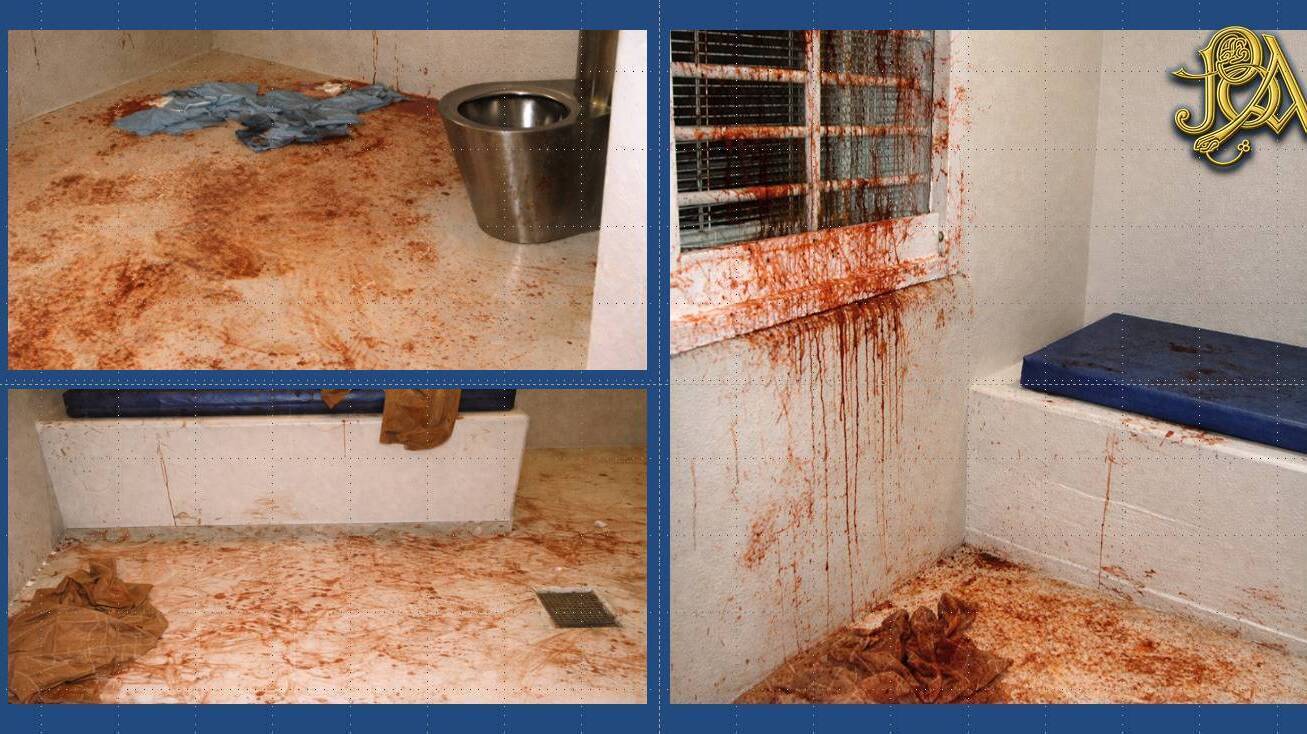
Yesterday, the IrishExaminer.com published these shocking photos taken in Cork Prison after a violent incident. File picture
A country’s moral health is often measured not by its wealth, but by how it treats its most vulnerable: its elderly, its sick, its children — and, however uncomfortable it may make people feel, those its judiciary chooses to imprison.
By that measure, Ireland must confront an uncomfortable truth.
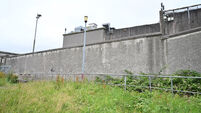
Our prison system is not merely under strain, it is dramatically failing. The latest figures underline the scale of the crisis. A system designed for roughly 4,700 beds is attempting to contain a population closer to 6,000 and rising, with capacity regularly breached by over 20%.
In practical terms, that means hundreds of people sleeping on mattresses on cell floors, sometimes beside toilets, in conditions described by inspectors as “inhuman and degrading”. This is not a sudden emergency. It is the predictable result of years — arguably decades — of political inertia. Warnings have been constant.
Read More
Prison overcrowding has been labelled “dehumanising” by reform groups, while prison officers describe increasingly volatile conditions, with rising violence and intimidation inside institutions never designed for such numbers. The annual conference of the Prison Officers’ Association has again highlighted a system pushed far beyond safe limits, where both staff and inmates are exposed to unacceptable risk.
Yet despite repeated commitments, progress has been glacial.
Ireland has added prisoners far faster than it has added capacity. The consequences are visible not just in overcrowded cells, but in overstretched healthcare, limited access to rehabilitation programmes, and a system that struggles to do more than contain.
Containment, however, is not justice.
A prison system that cannot offer dignity or meaningful rehabilitation ultimately undermines its own purpose. Overcrowding restricts education, addiction services, and mental health supports — precisely the interventions known to reduce reoffending. Instead, it fosters frustration, violence, and deeper cycles of criminality.
The argument often made is that more prison spaces are needed. Certainly, capacity must be addressed. But building more cells alone will not resolve a structural failure. Ireland imprisons more people than its infrastructure can safely accommodate, while alternatives to custody — community service, restorative justice, treatment-based interventions — remain underused. This imbalance reflects a deeper policy failure: A reliance on incarceration without sufficient regard for its limits or consequences. There is also a broader ethical question.
If conditions in Irish prisons fall below basic standards of human dignity, then responsibility does not lie solely with the justice system. It rests with society as a whole.
Prisoners may have broken the law, but they remain citizens, entitled to humane treatment.
To ignore that principle is to erode the very values the justice system is meant to uphold. The overcrowding crisis should, therefore, be seen, not just as an operational failure, but as a moral one. It asks whether Ireland is willing to invest — politically and financially — in a system that is fair, effective, and humane.
Because if the measure of a nation is how it treats its most marginalised, then the current state of our prisons suggests a country that has, for too long, failed to meet the mark.
Seven Irish citizens are in Israeli custody after a Gaza-bound aid flotilla was intercepted — not off Israel’s coast, but in international waters near Greece. The language used matters. Israel calls these “arrests”. Others, including organisers, call them something far more serious: Kidnapping.

The distinction is not semantic, but fundamental. How can any state claim the authority to board civilian vessels and detain foreign nationals some 1,000km from its shores?
The answer offered by Israel rests on the enforcement of its naval blockade of Gaza. Yet that justification is increasingly contested — politically, morally, and, by most interpretations, legally.
Read More
This latest incident, involving around 175 activists from multiple countries, has already drawn international condemnation, with governments questioning its legality and proportionality.
Ireland cannot remain a passive observer when its own citizens are among those detained.
Diplomatic efforts to secure their release are essential. That is the immediate priority. But it cannot be the only response.
There is a tendency in such moments toward cautious silence — to avoid inflaming tensions until citizens are safely returned. That instinct is understandable. But it also carries a risk: That Ireland’s voice, long associated with international law and human rights, becomes muted precisely when it is most needed. If actions like this go unchallenged, they risk becoming normalised. The question is stark. When does an “arrest” conducted far beyond a state’s jurisdiction cease to be lawful enforcement and become something else entirely? Ireland does not need to wait for its citizens’ release to ask that question. It needs only the courage to answer it.
There was a time when a visit from an English king would have guaranteed deference, polite applause, and perhaps the odd bow or curtsy. Not so in modern New York, where mayor Zohran Mamdani casually suggested the monarch might consider returning the Koh-i-Noor diamond to India.
It was delivered lightly — almost as an aside — but the message landed with weight.
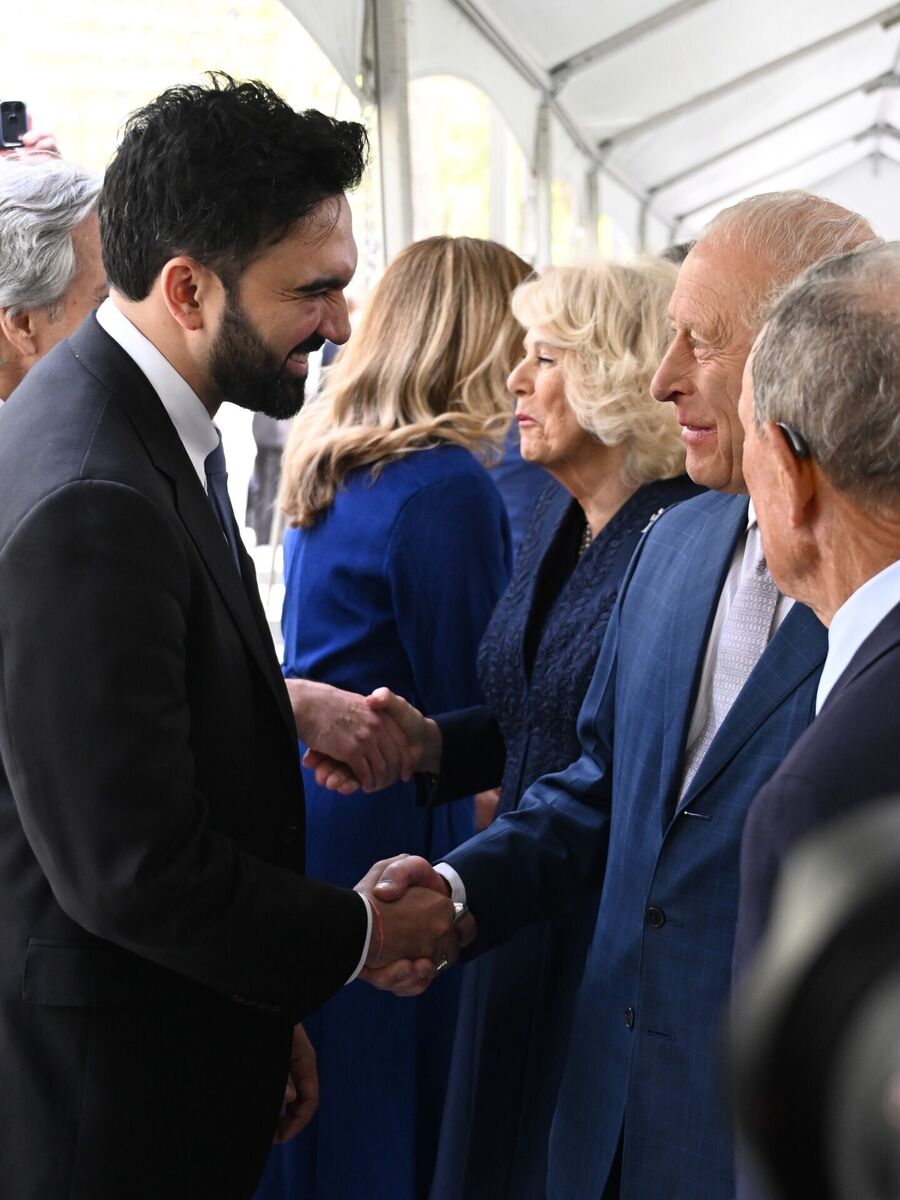
The 105-carat gem, taken during Britain’s annexation of Punjab in the 19th century, remains one of the most potent symbols of imperial extraction. That such a suggestion can now be aired openly, even playfully, tells its own story.
The British monarchy no longer commands automatic reverence. Nor, increasingly, does the history it represents escape scrutiny.
For decades, calls to return artefacts like the Koh-i-Noor have been dismissed as impractical or unnecessary. Yet the argument for restitution — moral, if not always legal — has only grown stronger. No one seriously expects Buckingham Palace to hand over the crown jewels tomorrow. But symbolism matters.
Empires were not built politely; they were built on conquest, coercion, and exploitation.
Acknowledging that need not dismantle history. It may, however, begin to repair it. And sometimes, even the smallest gesture can carry the greatest weight.
CONNECT WITH US TODAY



Be the first to know the latest news and updates